Wondering what kind of house you are actually likely to find in Scotch Plains? That is a smart place to start, because this is not a market defined by large waves of brand-new construction. If you are buying here, you are usually choosing among older suburban homes with different layouts, levels of upkeep, and day-to-day living patterns. This guide will help you understand the home styles you are most likely to see in Scotch Plains and what each one could mean for your lifestyle, budget, and decision-making. Let’s dive in.
Why Scotch Plains feels different
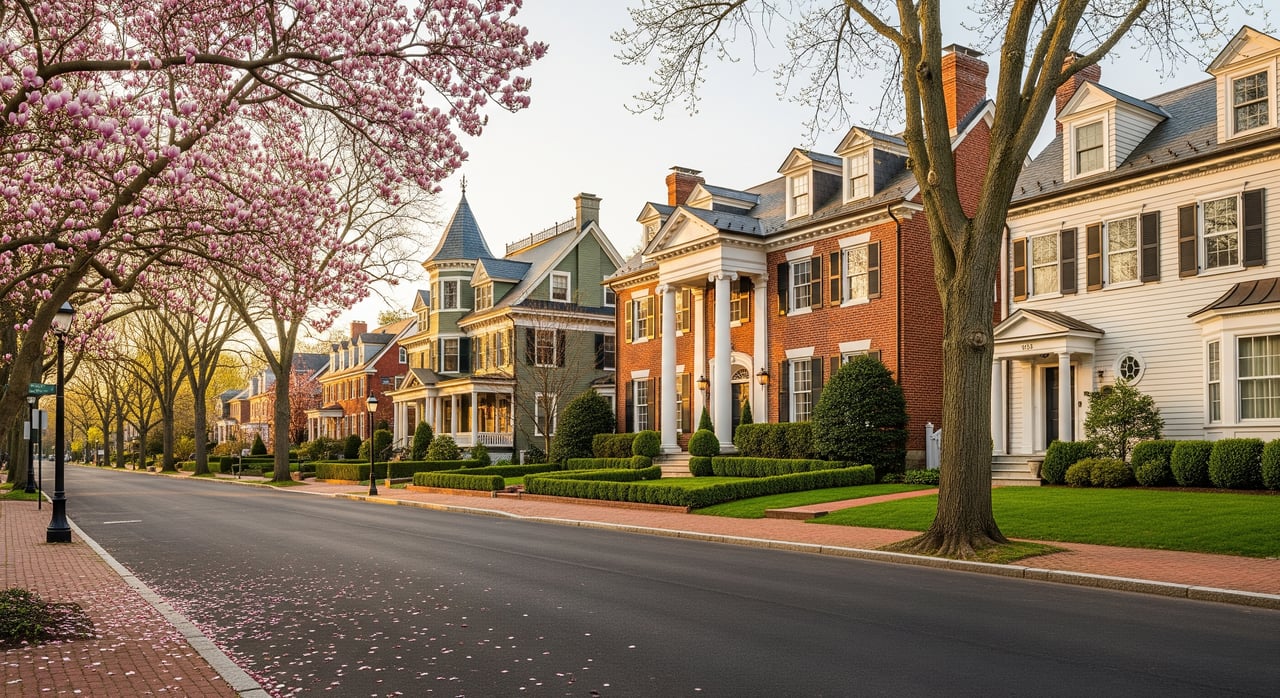
Scotch Plains is a mature suburban market with a housing stock shaped mostly by postwar growth. According to the township’s 2025 housing plan, 3,630 homes were built from 1940 to 1959 and another 2,435 were built from 1960 to 1979. Together, those two periods account for about 68.6% of the township’s housing stock.
That matters because your home search here is often less about picking between many new builds and more about comparing older homes with different floor plans, renovation histories, and system updates. The same housing plan also reports that 86.7% of Scotch Plains homes have five or more rooms, which points to a market centered largely on detached houses rather than smaller attached options.
The owner-occupied housing rate in Scotch Plains is 79.0%, and the median value of owner-occupied homes is $718,200, based on U.S. Census Bureau QuickFacts. For buyers, that reinforces the idea that this is an established community where the condition, layout, and long-term fit of a home can matter just as much as square footage.
Scotch Plains home styles to know
Colonial and Colonial Revival
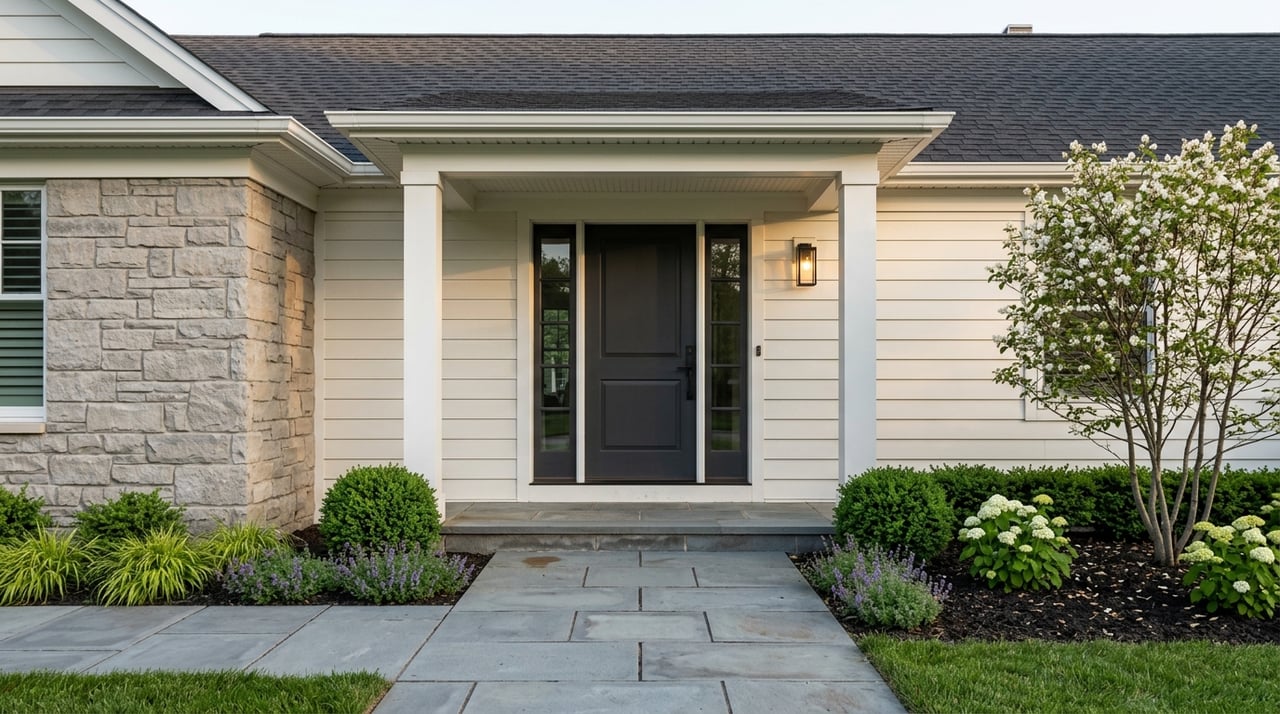
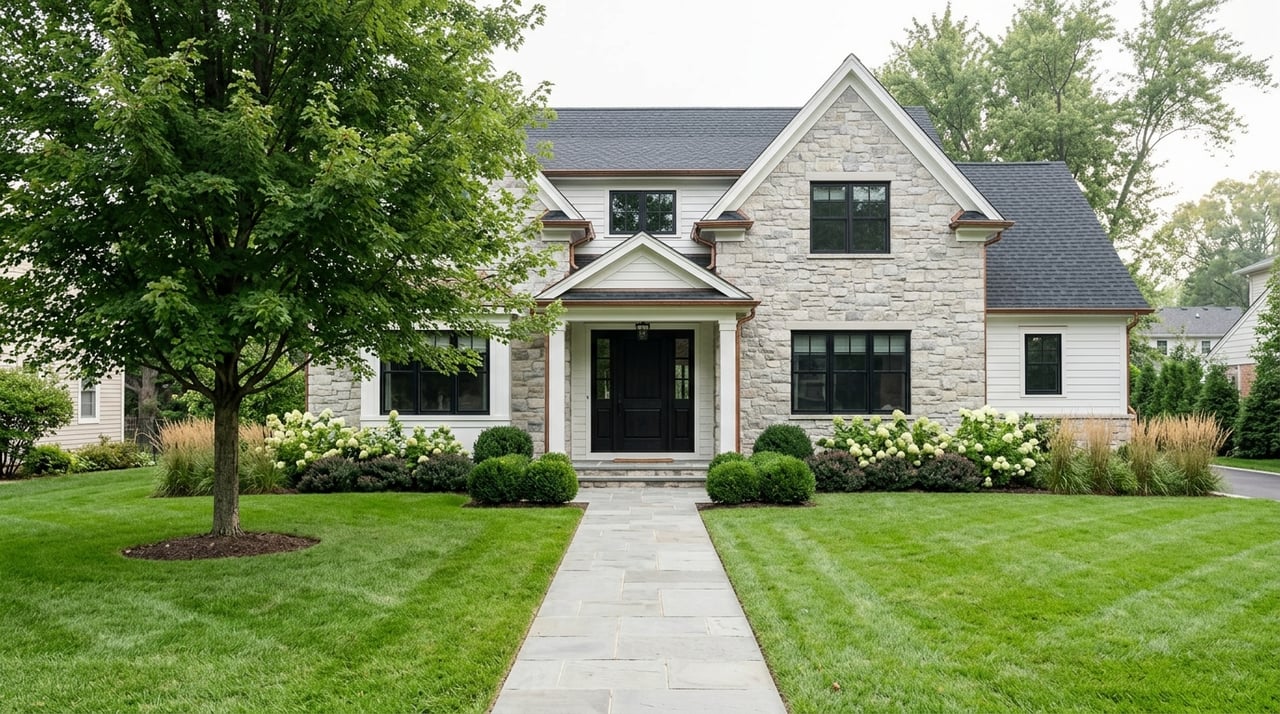
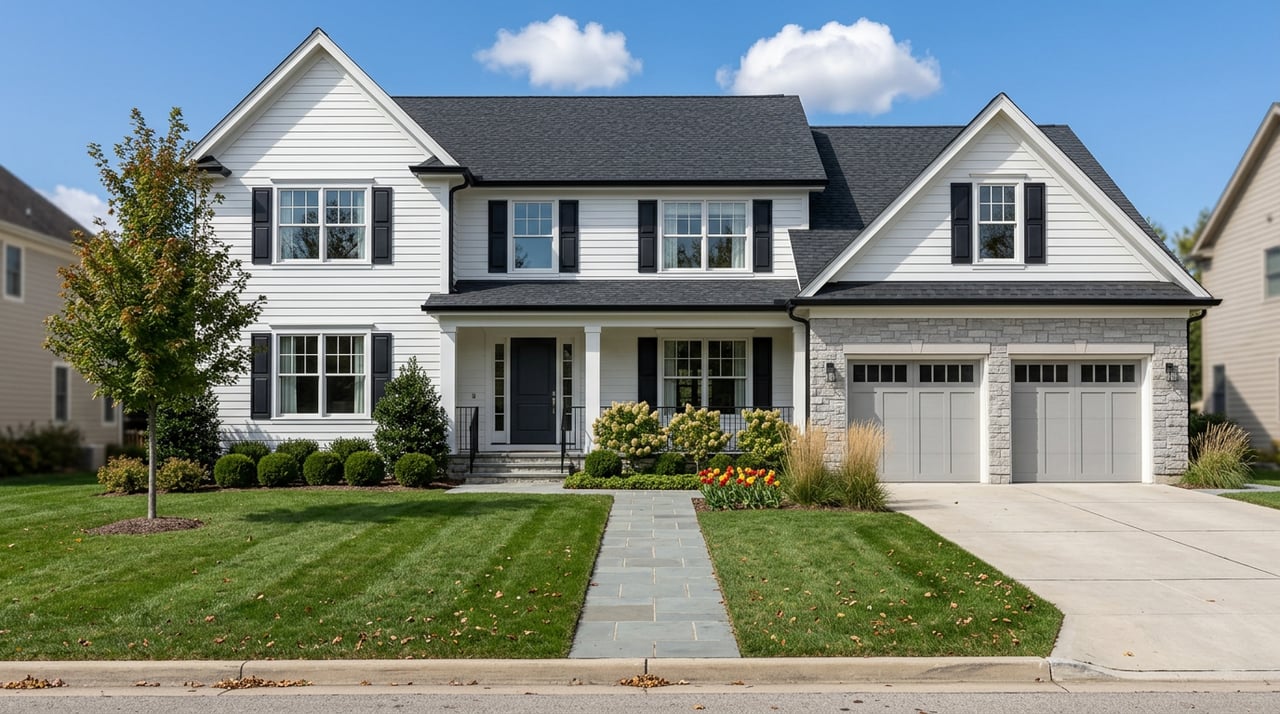
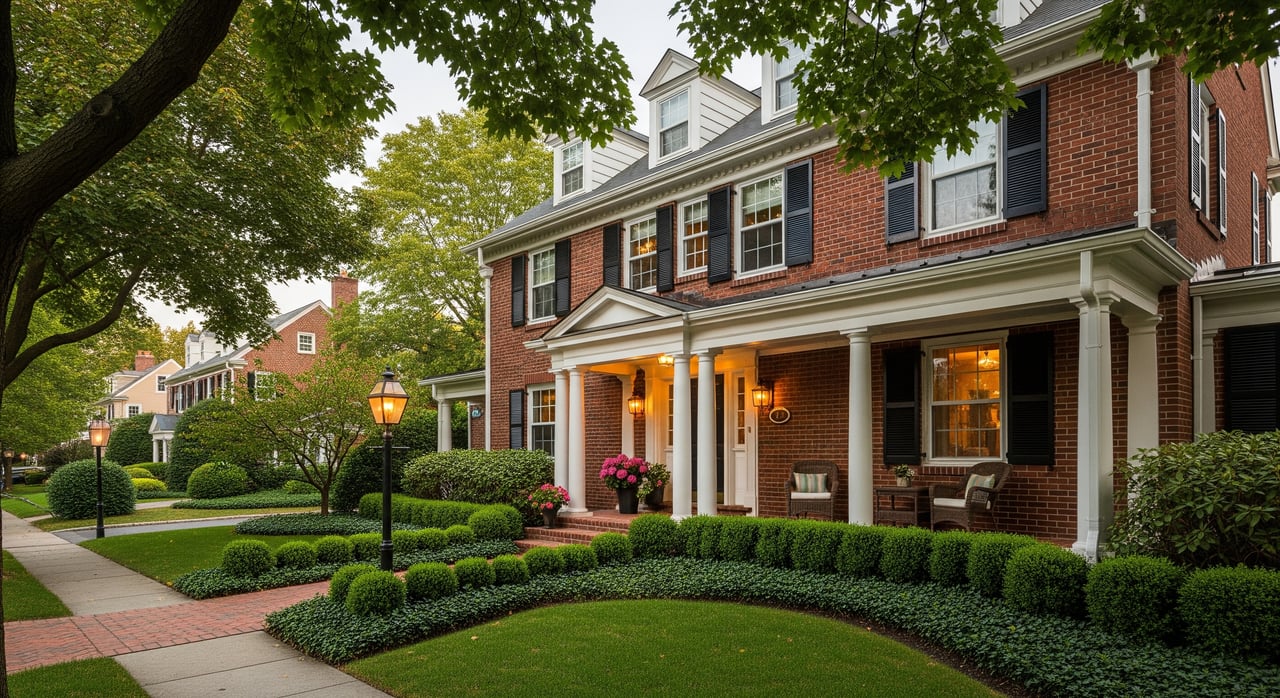
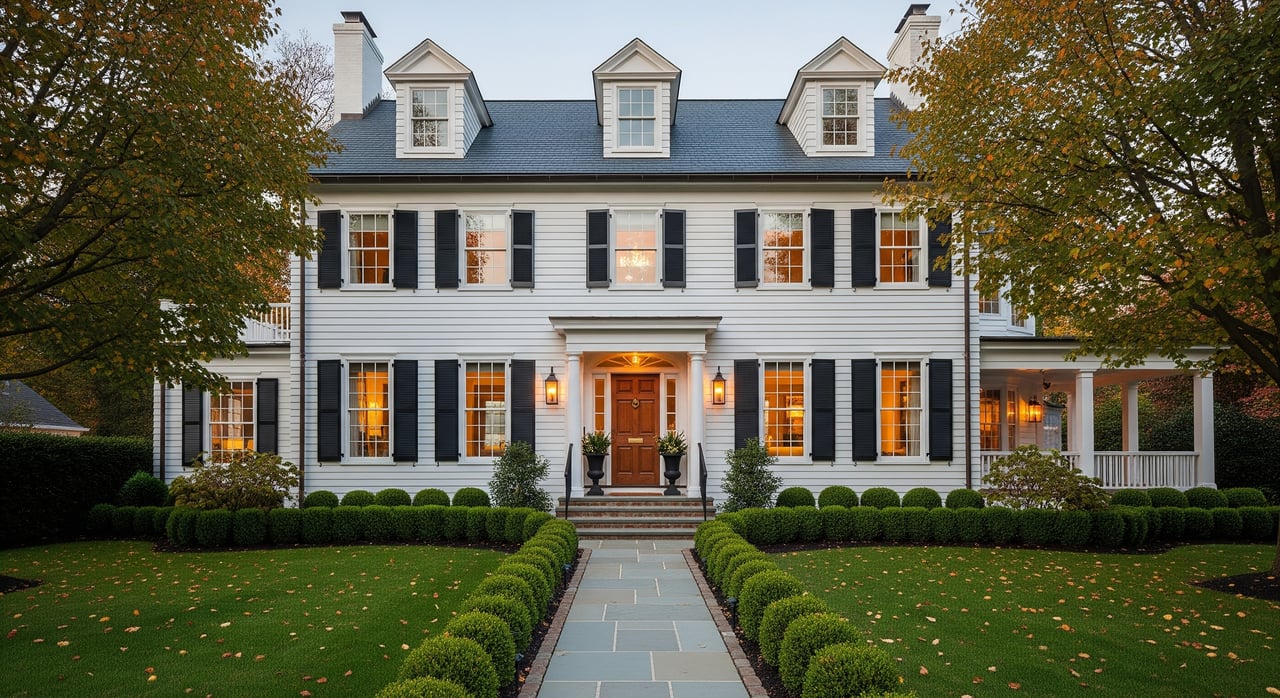
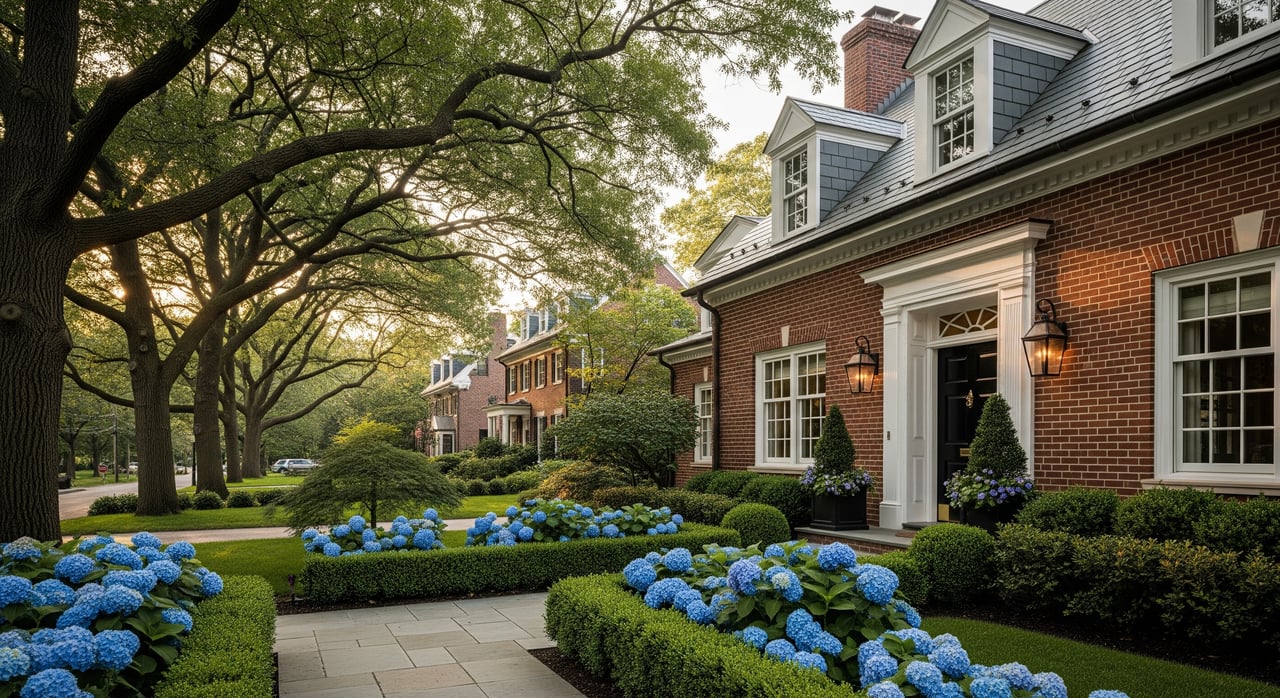
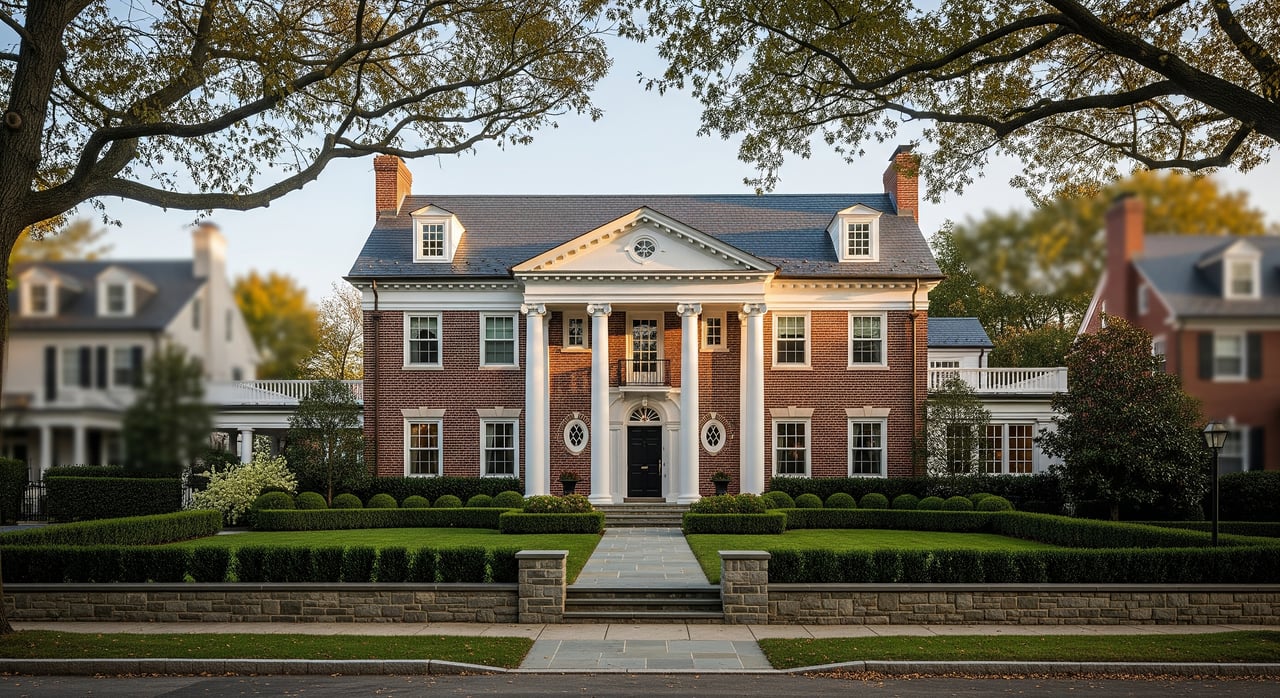
Colonial and Colonial Revival homes are a natural fit in Scotch Plains because they align well with the town’s older and early-postwar housing profile. The National Park Service describes Colonial Revival homes as emphasizing symmetry, gabled or pedimented windows, columns or pilasters, front doors with sidelights or fanlights, and pronounced porches.
Many of these homes are at least two stories and often follow a center-hall layout with a clear separation between main living areas and private bedroom spaces. If you like a more traditional floor plan, this style may feel familiar and comfortable from the moment you walk in.
What this style means for buyers
A Colonial often works well if you want distinct rooms instead of one open main level. You may find formal front rooms, a central staircase, and a layout that keeps daily living areas and sleeping areas more separate.
The tradeoff is that these homes can feel less open than newer layouts. Because many are older, buyers should pay close attention to windows, trim, rooflines, and other exterior elements that may need upkeep over time.
Cape Cod homes
Cape Cod homes are another style buyers may see in Scotch Plains, especially given the town’s strong mid-century growth pattern. National Register documentation describes Cape Cod houses as compact 1 1/2-story homes with simple massing, often featuring a center entrance, gable roof, and dormers.
These homes tend to have an efficient footprint and a straightforward layout. From the curb, they often read as classic and modest, but the way the upper level is finished can make a big difference in how the home lives.
What this style means for buyers
Cape Cods can be a strong fit if you value efficiency and do not need a large full-height second floor. They often make smart use of space, but upstairs rooms can feel tighter than what you would find in a two-story Colonial.
When touring a Cape Cod, it helps to look closely at how the upper level functions. Ask yourself whether the dormers add usable space, whether the second floor is already finished the way you need, and how the roof and insulation appear to be performing.
Split-level homes
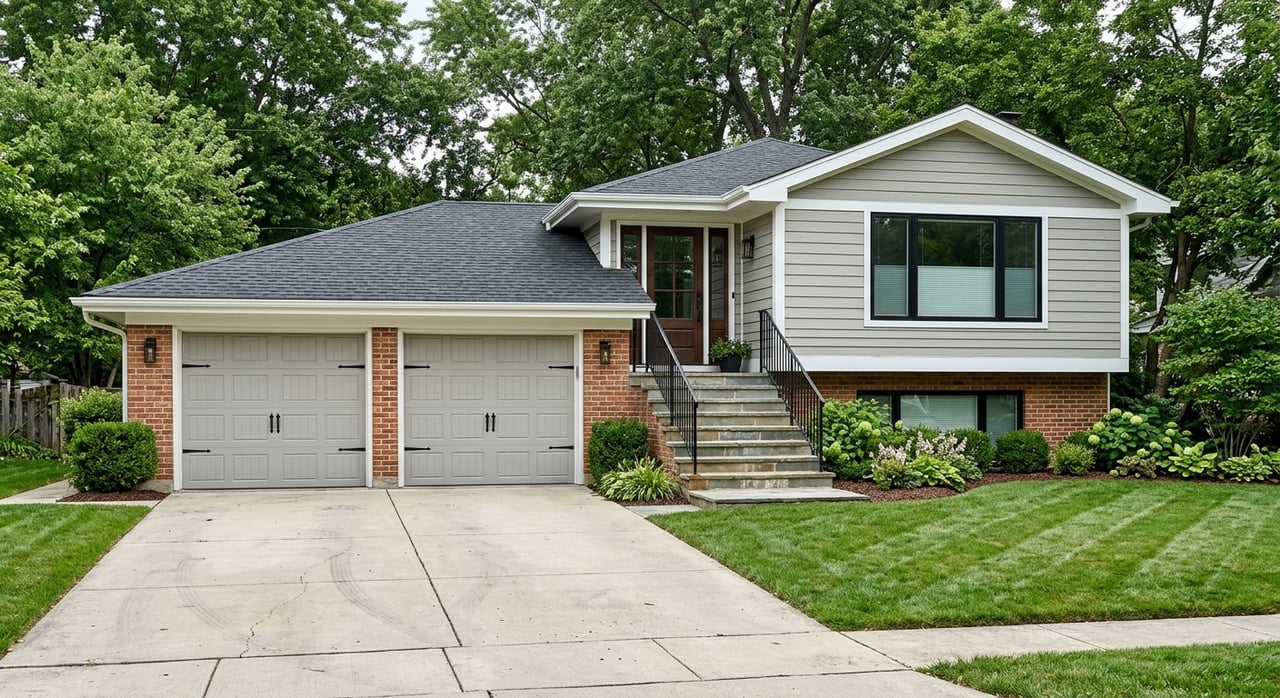
Split-levels became popular in the mid-1950s, and that timing lines up closely with Scotch Plains’ biggest period of residential growth. National Register documentation describes the split-level as a three-level home with living, dining, and kitchen spaces on the ground level, bedrooms half a flight up, and additional rooms or a garage half a flight down.
This style became common in postwar suburban development because it offered a practical way to create separate living zones without requiring the full footprint of a larger two-story house. In Scotch Plains, that makes split-levels an important style for buyers to understand.
What this style means for buyers
A split-level can be a great option if you want some separation between gathering space, sleeping space, and flex space. The layout can work especially well for buyers who like having distinct zones for work, recreation, or quiet time.
The big question is whether the stairs fit your everyday routine. Since part of the lower level may sit below or half-below grade, it is also wise to pay attention to natural light, comfort, and signs of moisture in those spaces.
Newer construction and redevelopment homes
Newer homes do exist in Scotch Plains, but they make up a much smaller share of the overall inventory. The township’s 2025 housing plan says only 237 homes were built from 2010 to 2019.
The same plan notes that redevelopment has been a primary tool for housing development and identifies just 36.492 acres of developable land. In practical terms, that suggests most newer homes in Scotch Plains are more likely to come from infill or redevelopment sites than from large new subdivisions.
What this style means for buyers
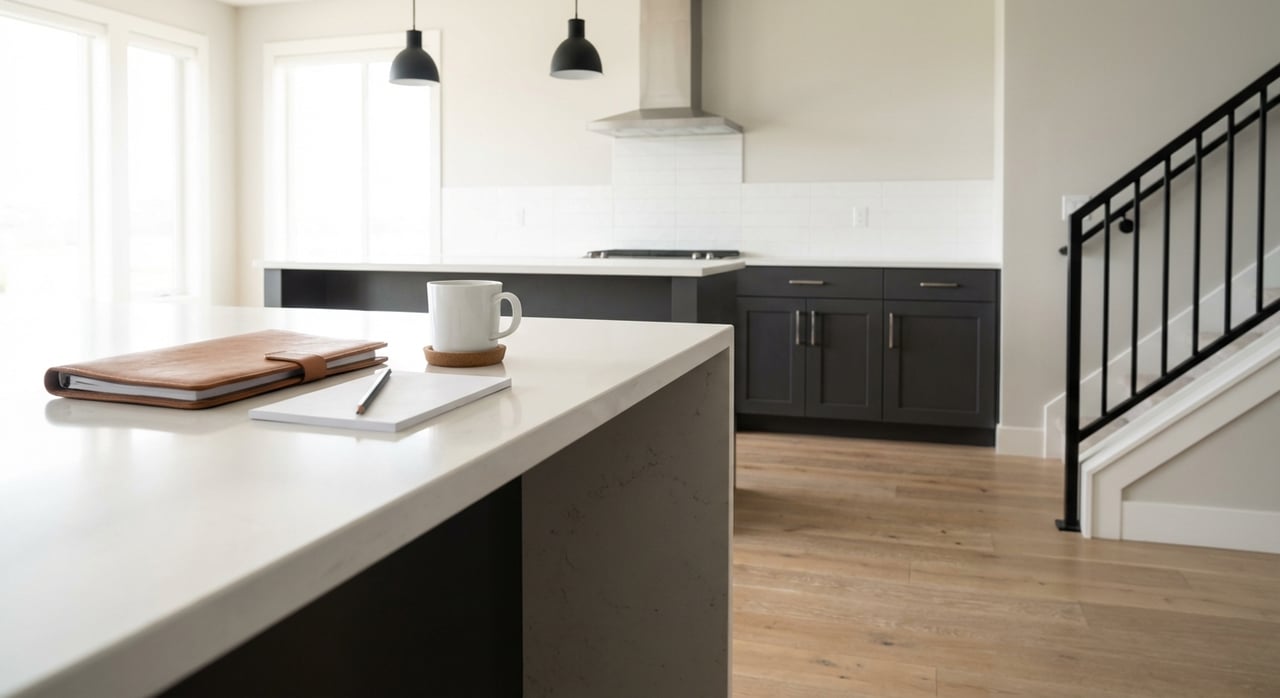
If you are hoping for newer systems and a more contemporary layout, this category may appeal to you. A newer home can mean less immediate repair work and a floor plan that feels more aligned with current preferences.
Because truly new inventory is limited, buyers should verify what is actually new. In some cases, that may mean a new structure. In others, it may mean an older home with updated finishes, systems, or an expanded footprint.
How to choose the right style for your lifestyle
In Scotch Plains, the best house is not just about architecture. It is about how that architecture supports the way you live every day.
If you like defined spaces and a classic two-story feel, a Colonial may suit you best. If you want a compact footprint and can work with a tighter upper level, a Cape Cod may be a smart match.
If you prefer separate zones and do not mind stairs, a split-level can offer useful flexibility. If your top priority is newer systems and a more current layout, you may want to focus on the smaller pool of newer or heavily updated homes.
What buyers should compare closely
Because Scotch Plains is shaped by older housing stock, two homes with similar size can feel very different in practice. As you compare options, it helps to look beyond the style name and focus on how the house performs for your needs.
Here are a few questions worth asking as you tour homes:
- Does the layout support your daily routine?
- How much separation do you want between living spaces and bedrooms?
- Are the stairs comfortable for everyday use?
- How much renovation or ongoing maintenance are you prepared to take on?
- Are the roof, windows, insulation, and major systems in line with your expectations?
- Is the home’s finished space set up the way you need today?
These questions can help you move from curb appeal to real fit. In a town like Scotch Plains, that can make a big difference in whether a home still feels right after the first few months of ownership.
Why local guidance matters in Scotch Plains
In a market where so much of the inventory was built decades ago, thoughtful guidance matters. Buyers are often weighing style, condition, updates, and layout all at once, not simply comparing new homes with similar finishes.
That is where local experience can be especially valuable. A trusted neighborhood advisor can help you understand what is typical for Scotch Plains housing, what questions to ask on each style of home, and how to judge whether a property is the right long-term fit for your goals.
If you are planning a move in Scotch Plains or another Union County suburb, Jayne Bernstein offers thoughtful guidance, deep local perspective, and personalized support to help you buy with confidence.
FAQs
What home styles are most common in Scotch Plains?
- Buyers in Scotch Plains are most likely to see Colonials, Cape Cods, split-levels, and a smaller number of newer construction or redevelopment-era homes.
Why are older homes so common in Scotch Plains?
- Scotch Plains saw major residential growth in the 1940s through the 1970s, and about 68.6% of the township’s housing stock was built during that period.
What should buyers know about Colonial homes in Scotch Plains?
- Colonial homes often offer traditional room separation, two-story layouts, and classic exterior symmetry, but they may also require more attention to upkeep over time.
What should buyers know about Cape Cod homes in Scotch Plains?
- Cape Cod homes usually offer a compact layout and efficient use of space, but buyers should look closely at the upstairs ceiling height, dormers, and overall second-floor usability.
What should buyers know about split-level homes in Scotch Plains?
- Split-level homes often provide separate living zones on a modest footprint, but the stair-heavy layout and lower-level light or moisture conditions should be reviewed carefully.
Is new construction common in Scotch Plains?
- No, newer construction is a relatively small part of the market, with only 237 homes built from 2010 to 2019 according to the township’s 2025 housing plan.