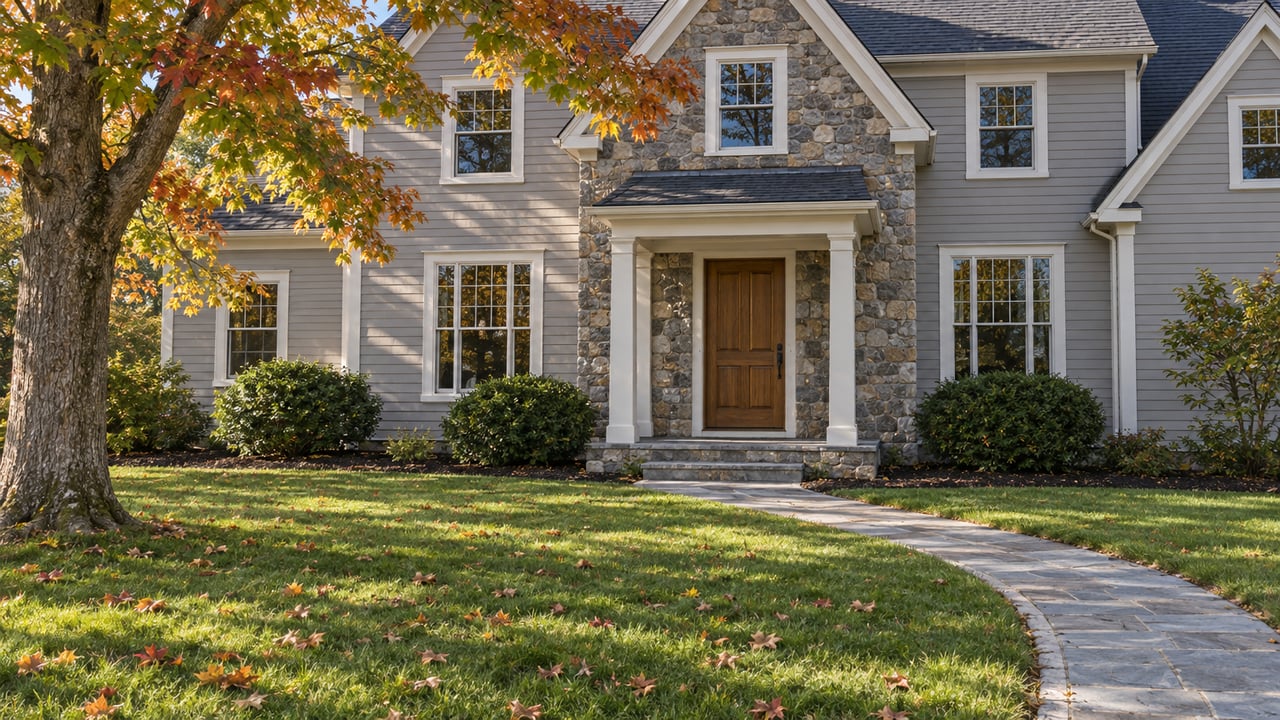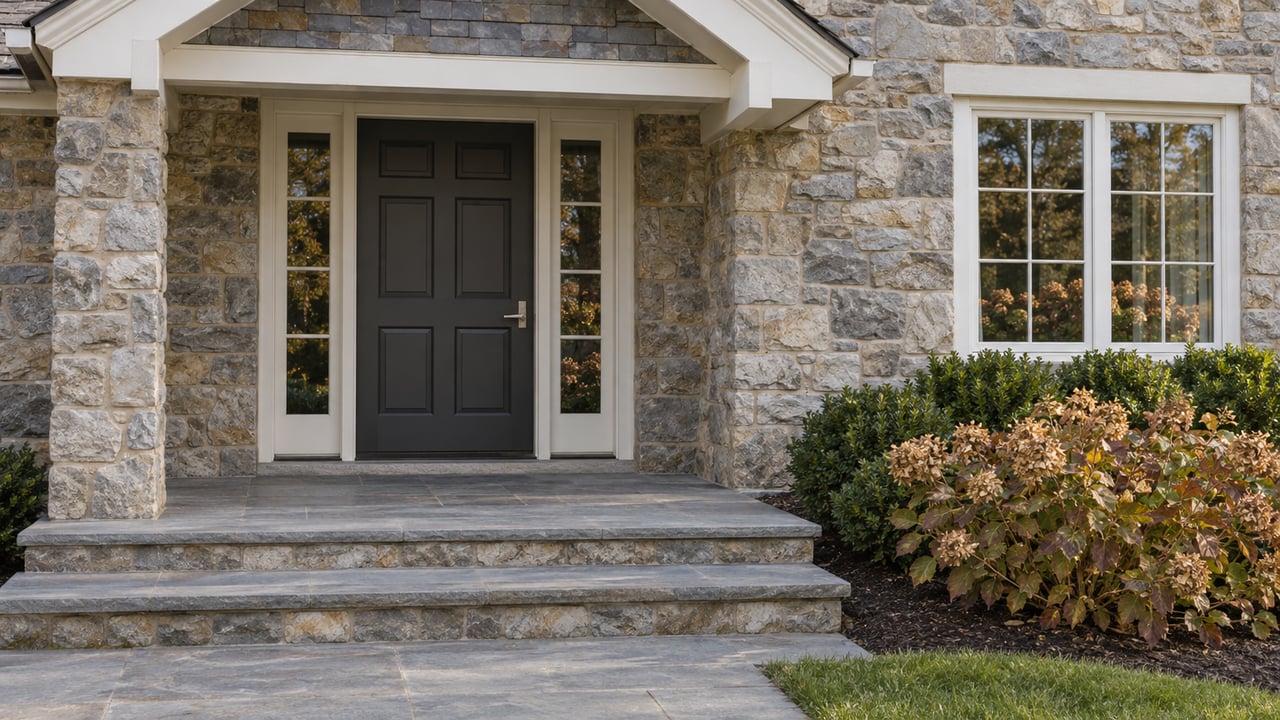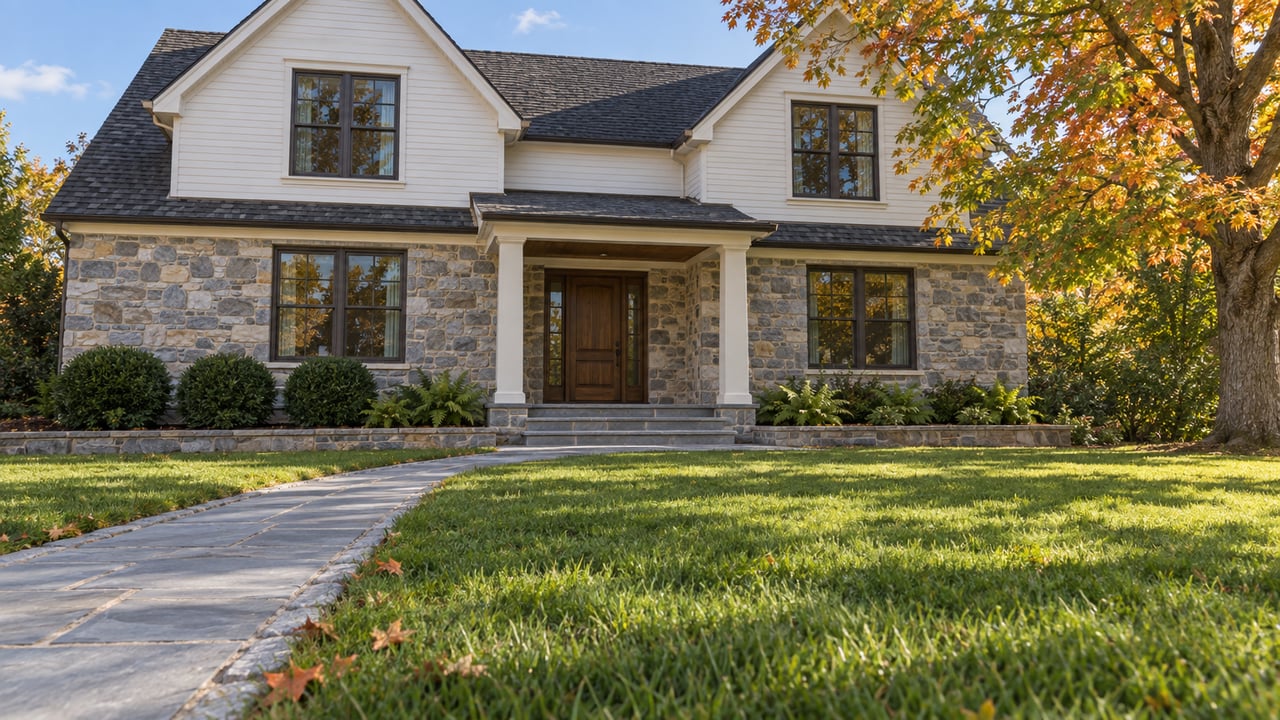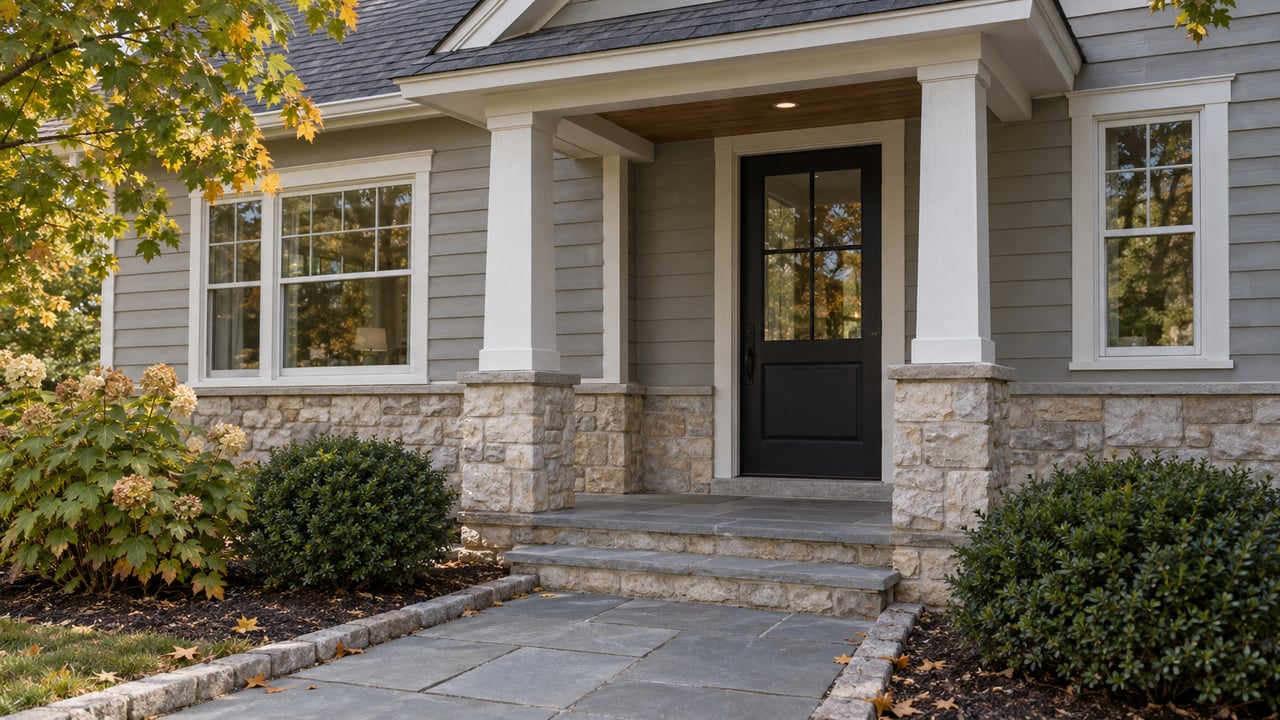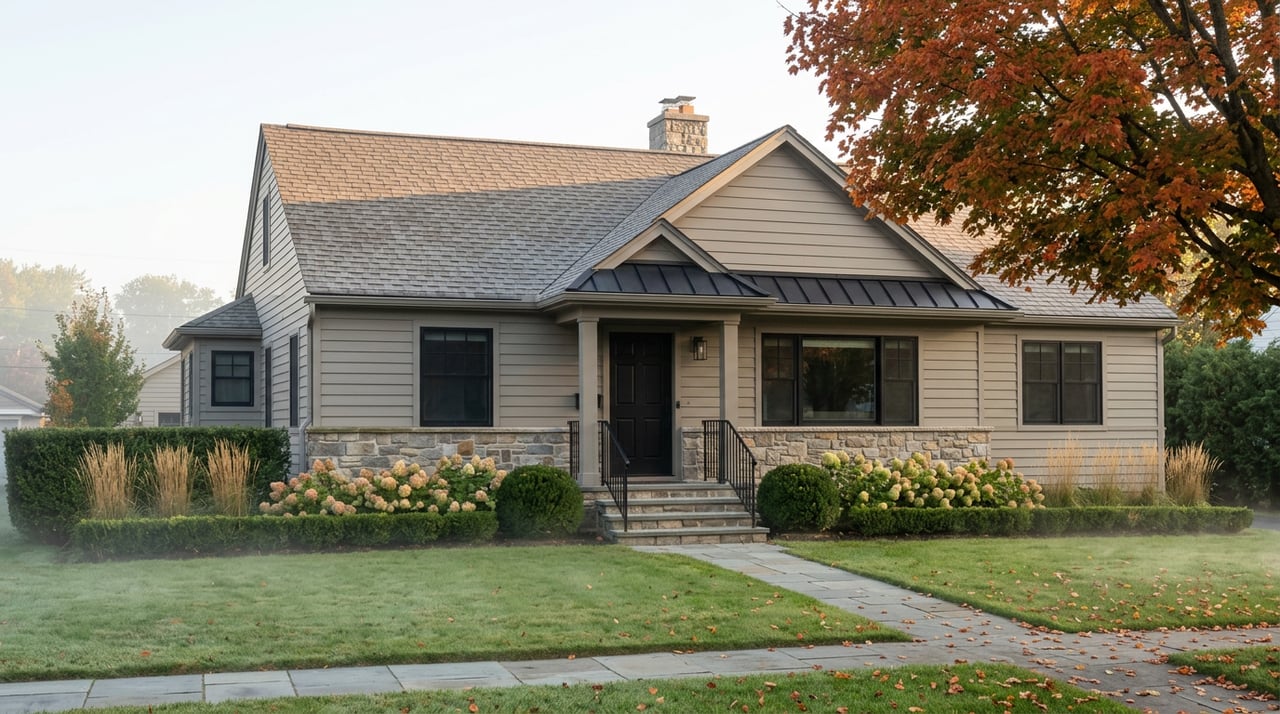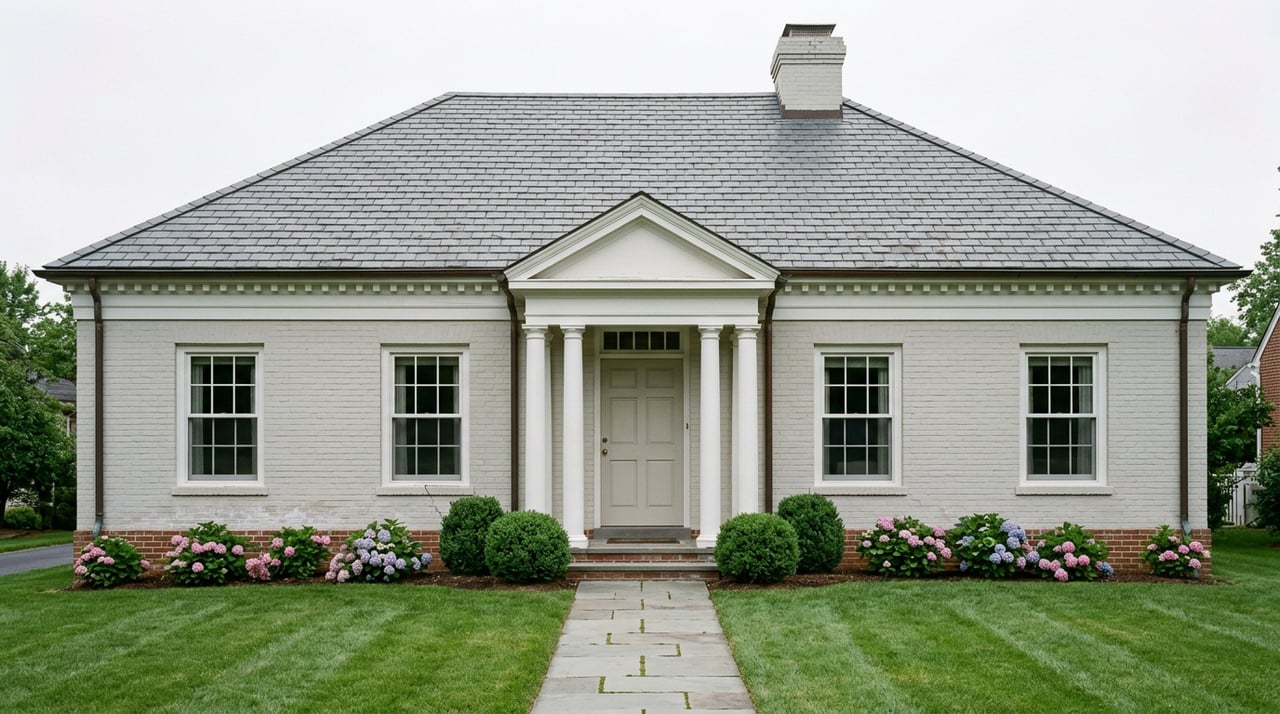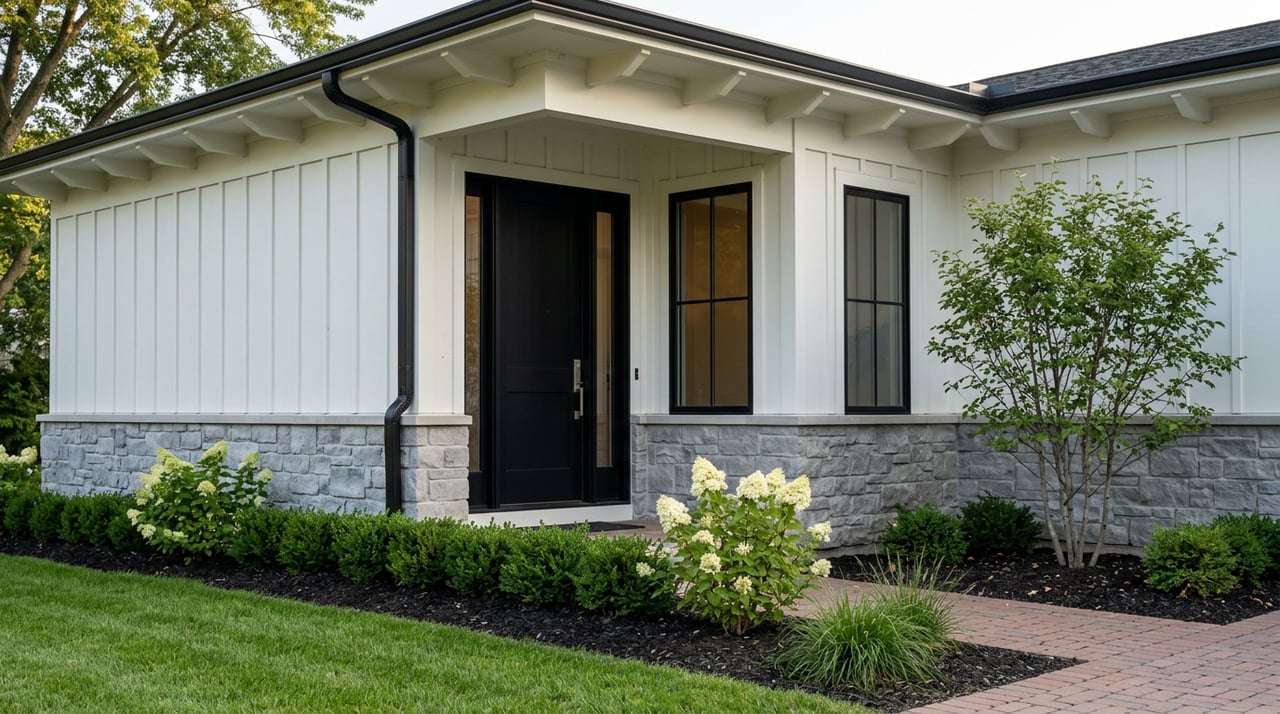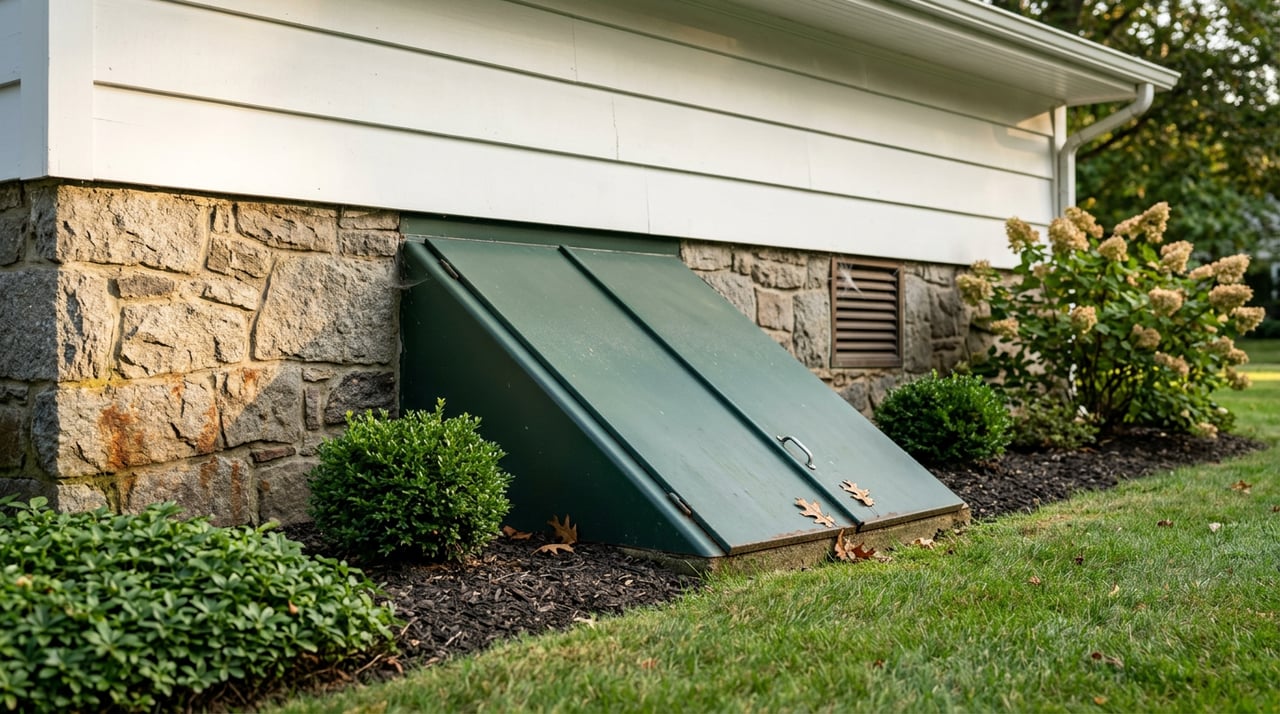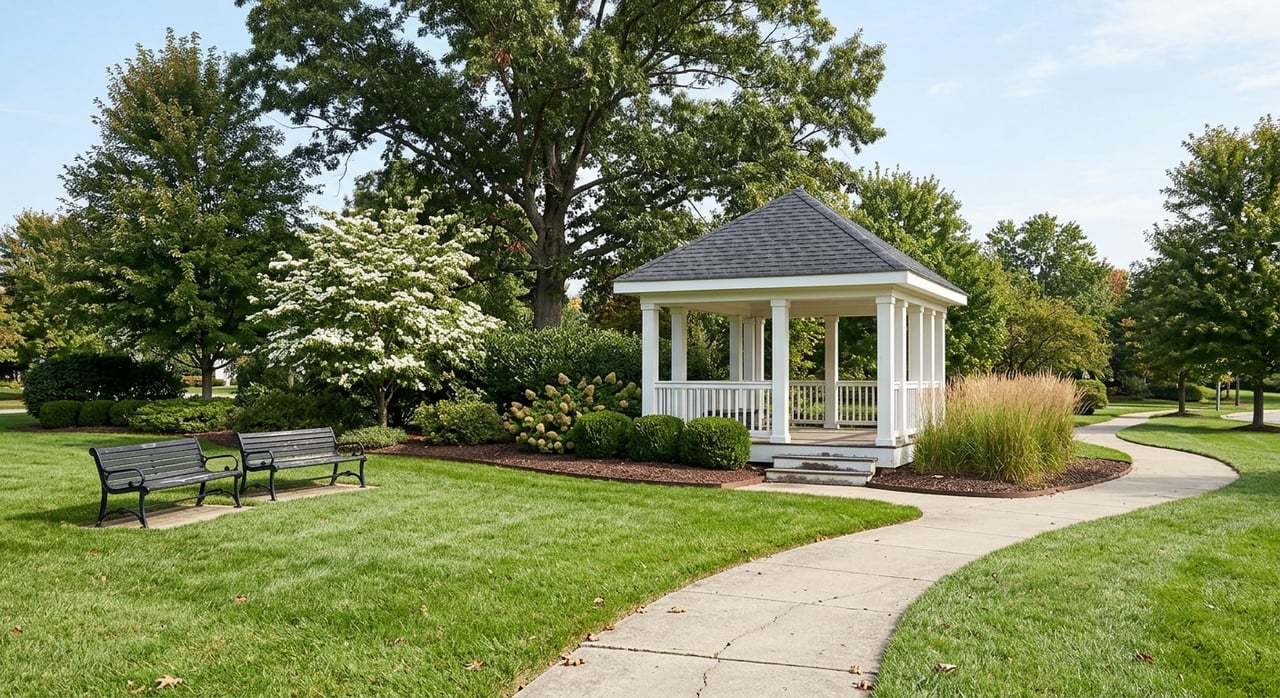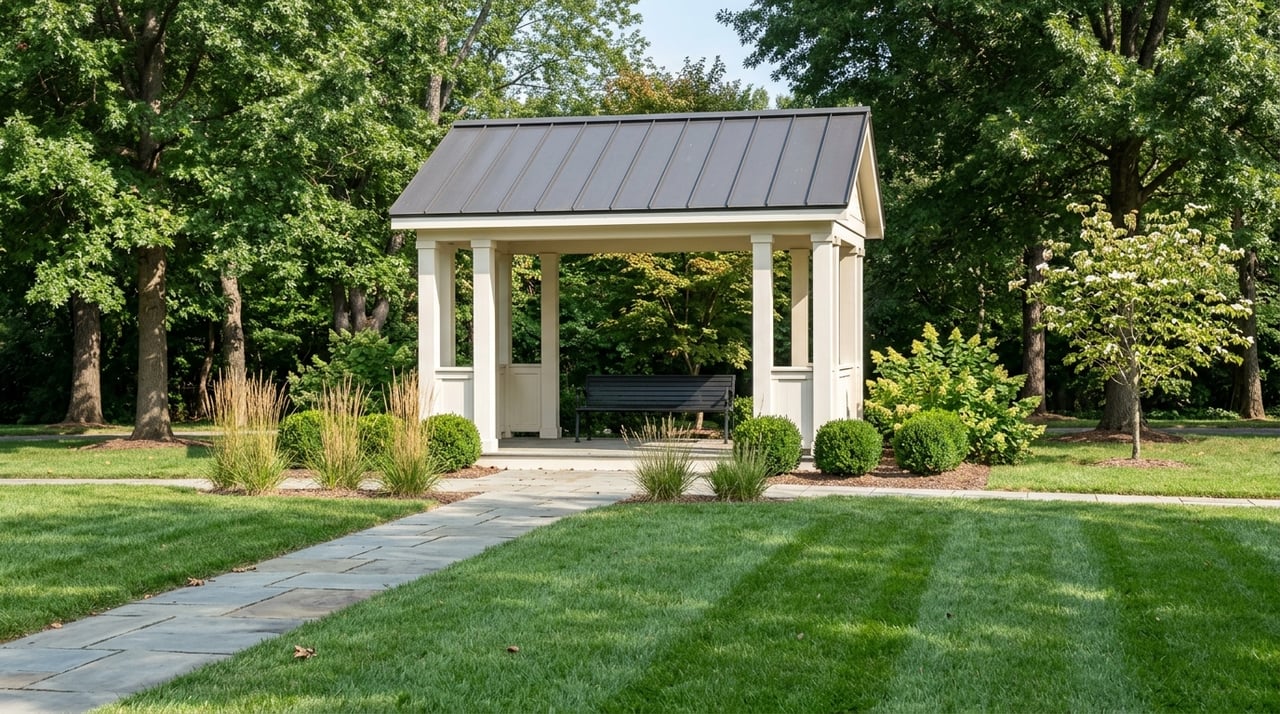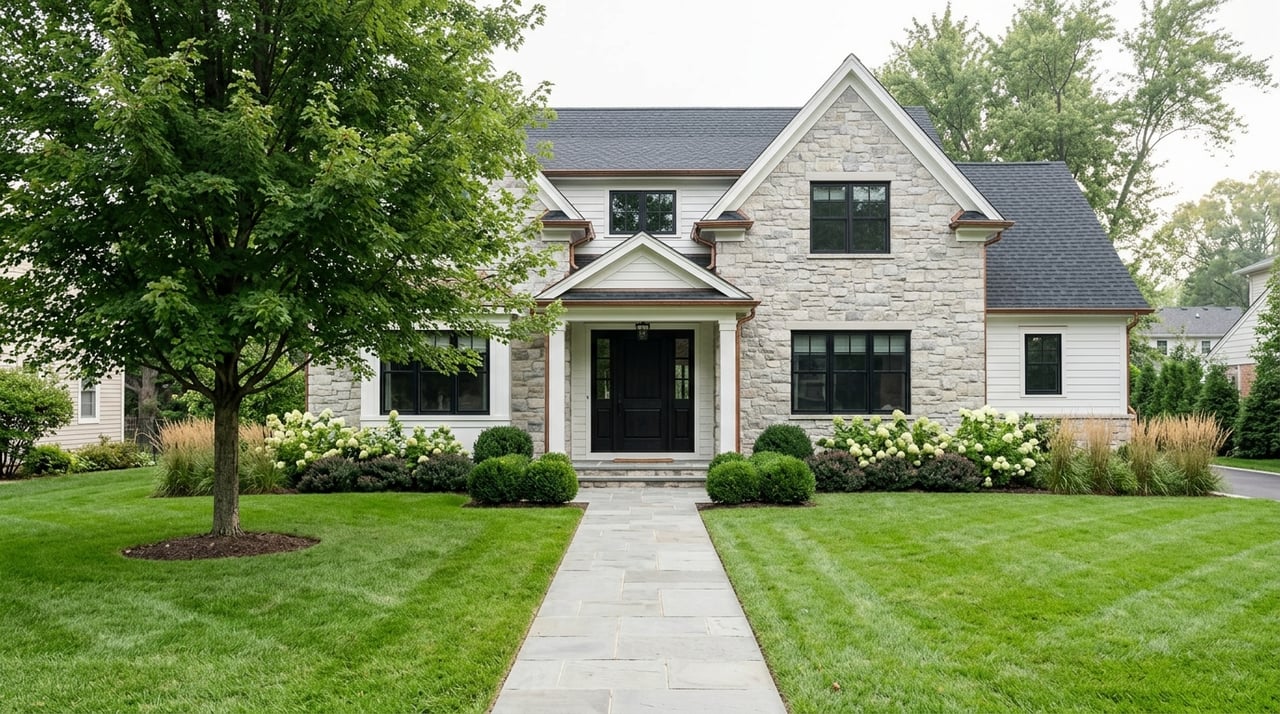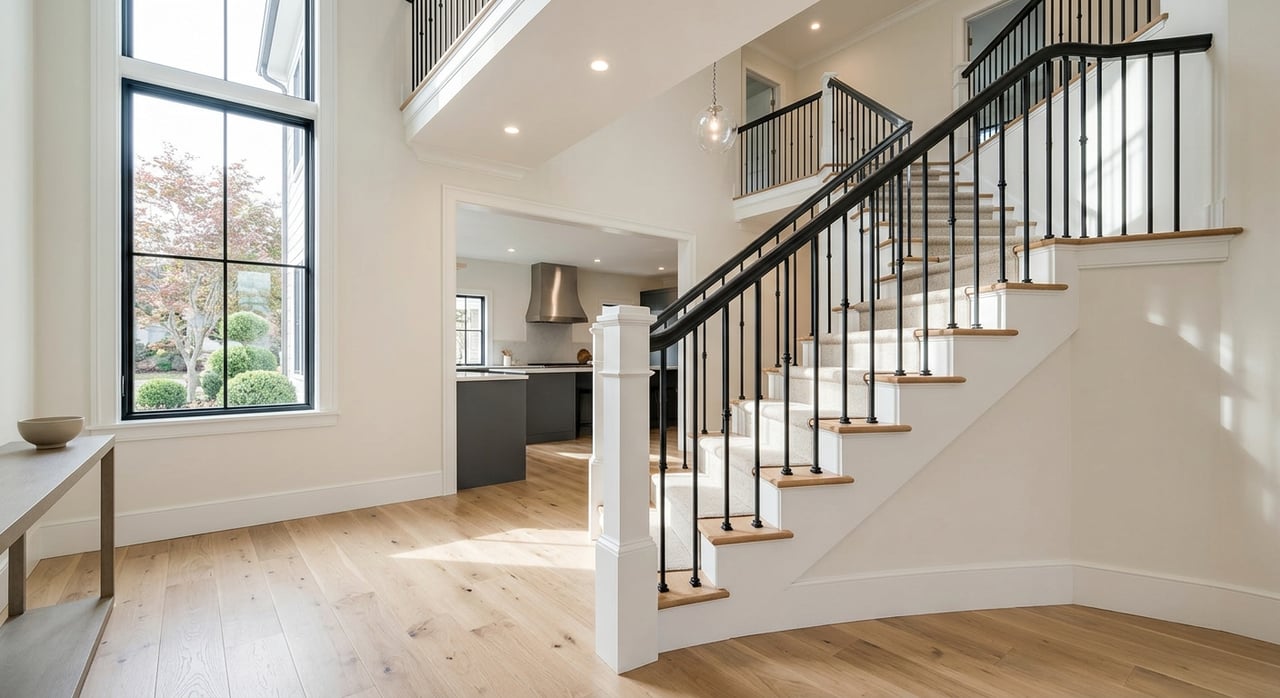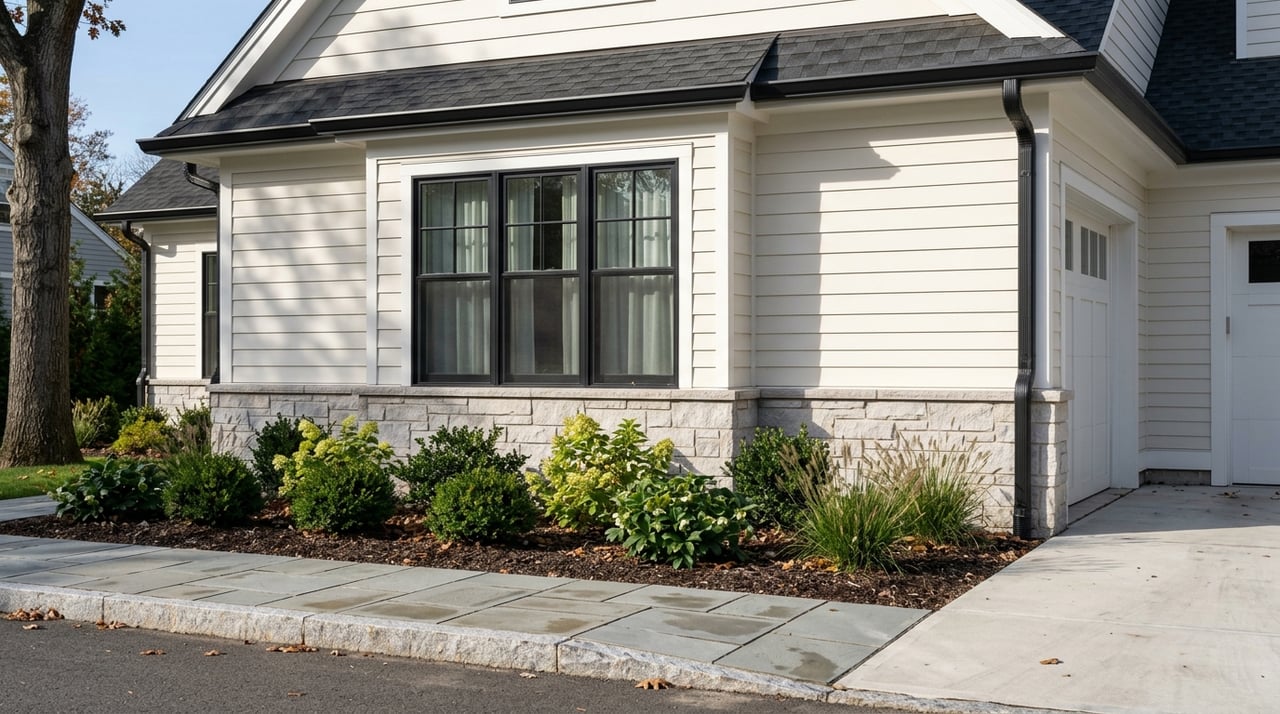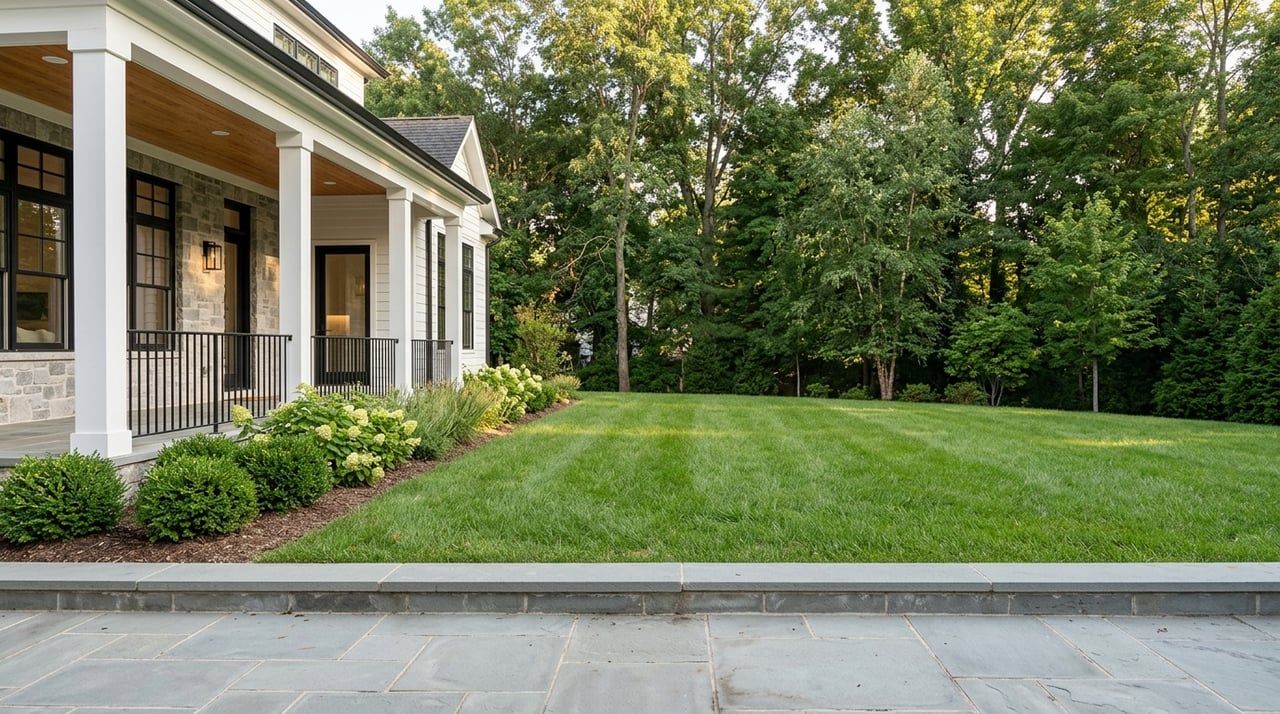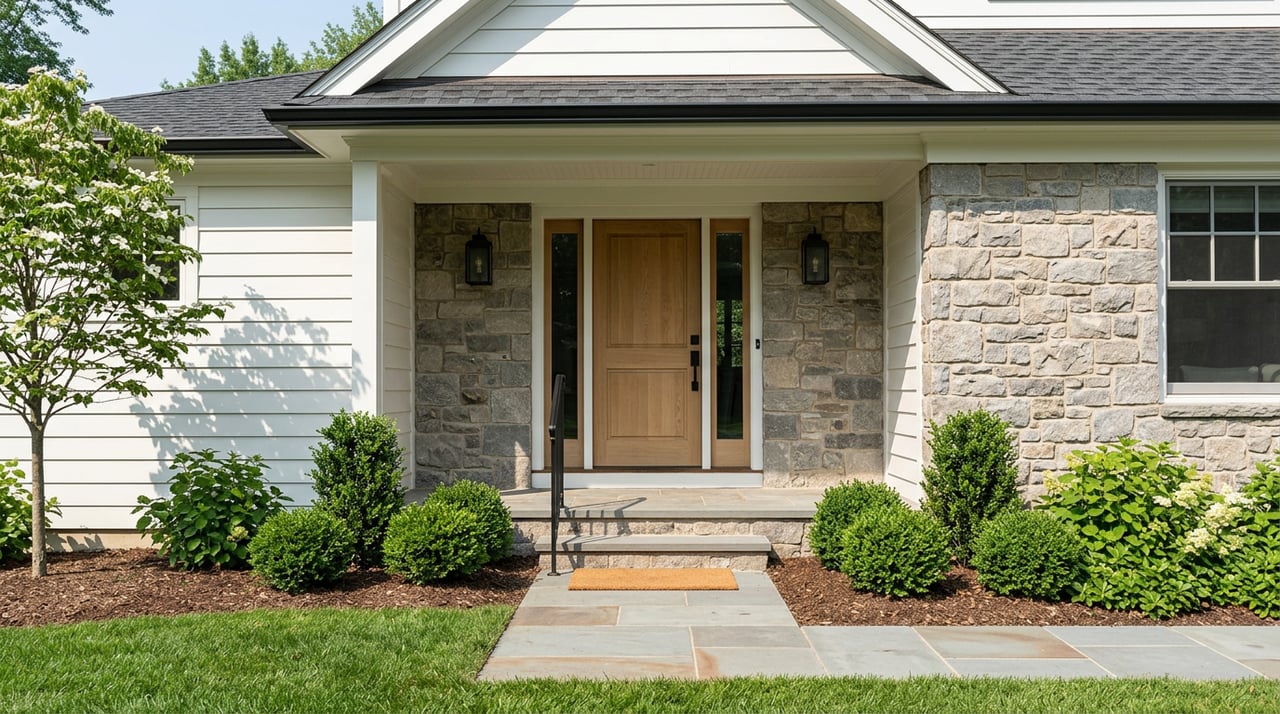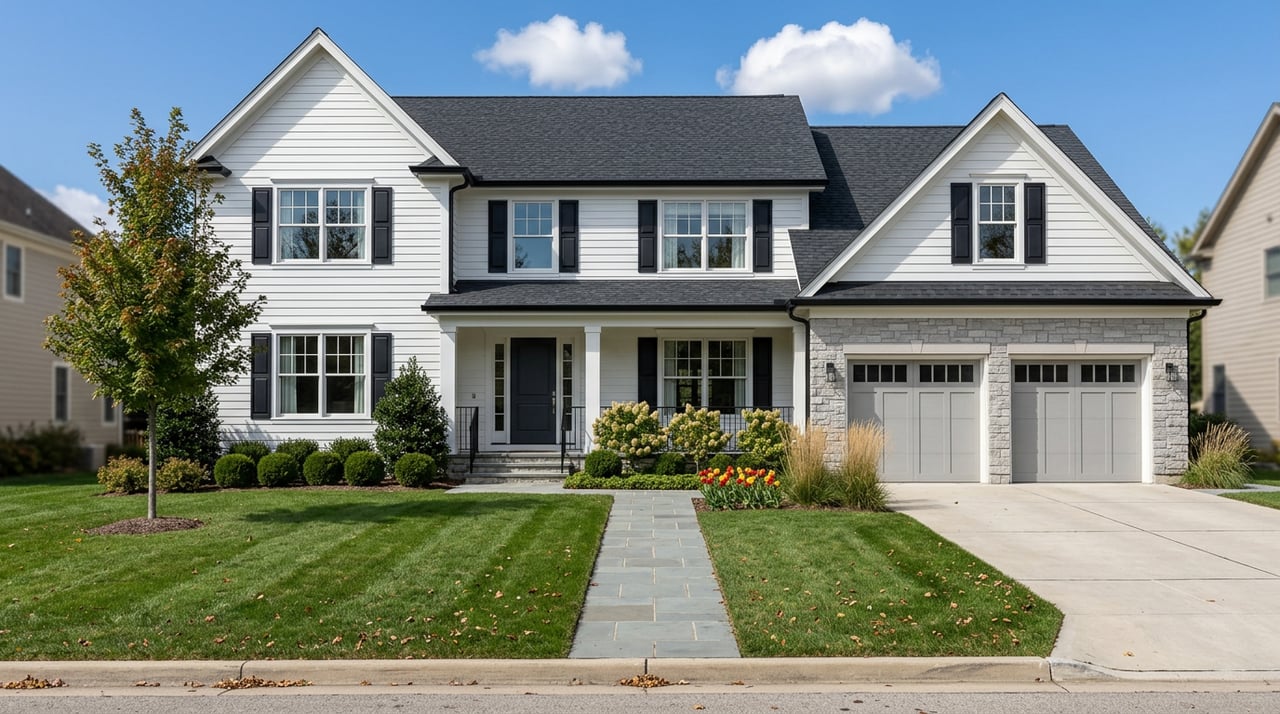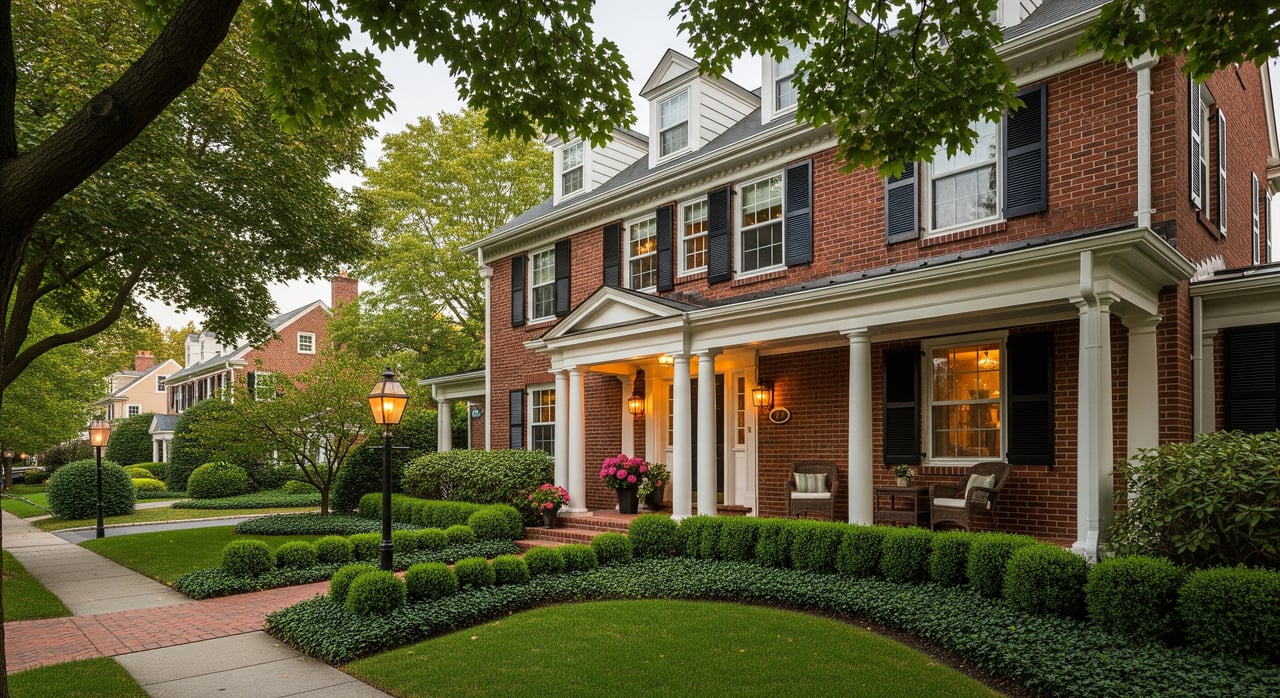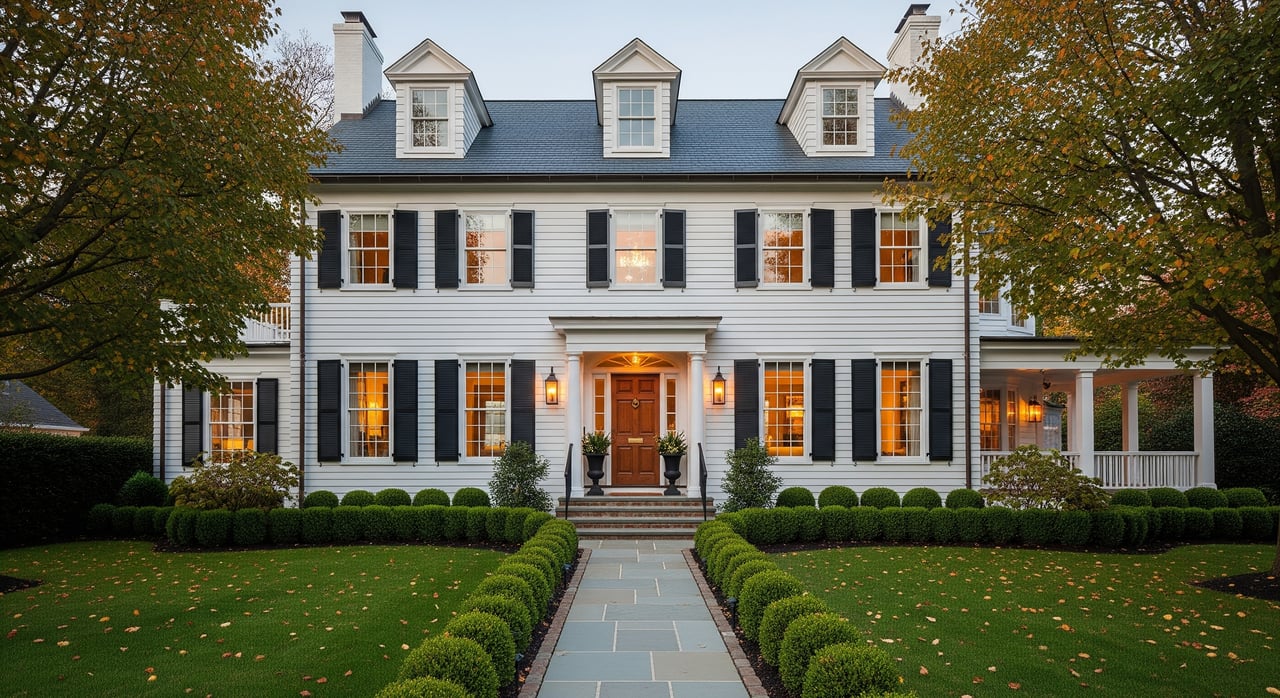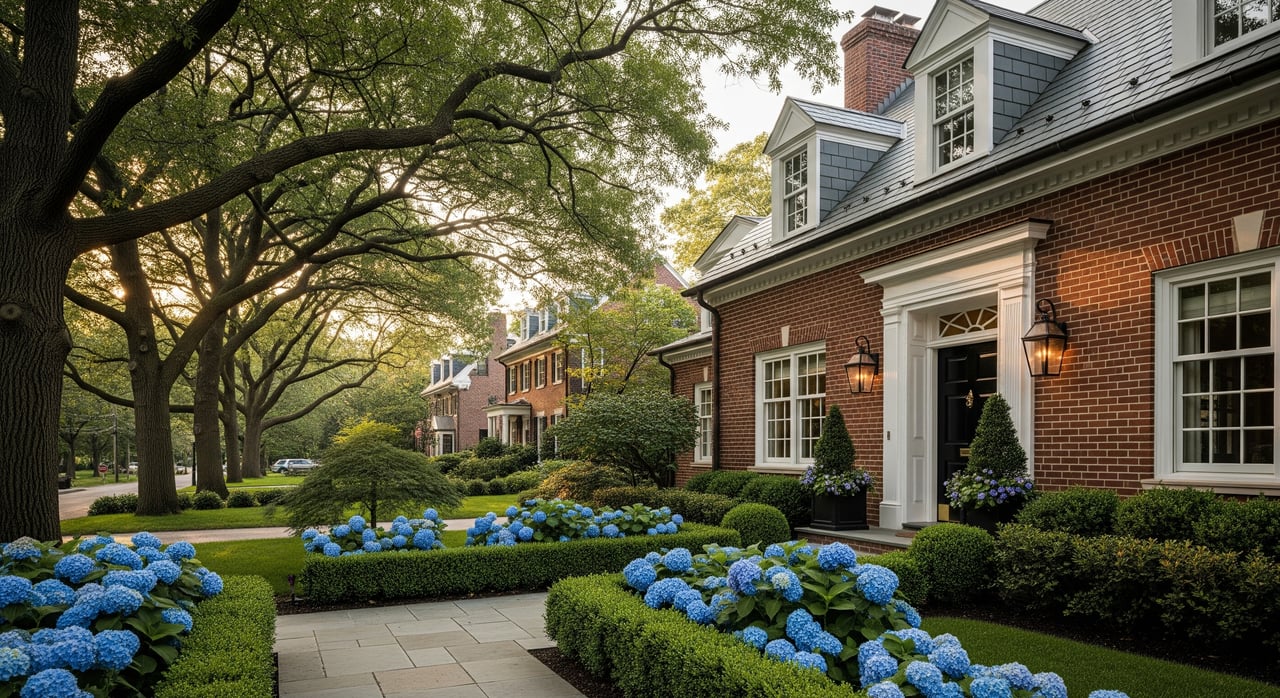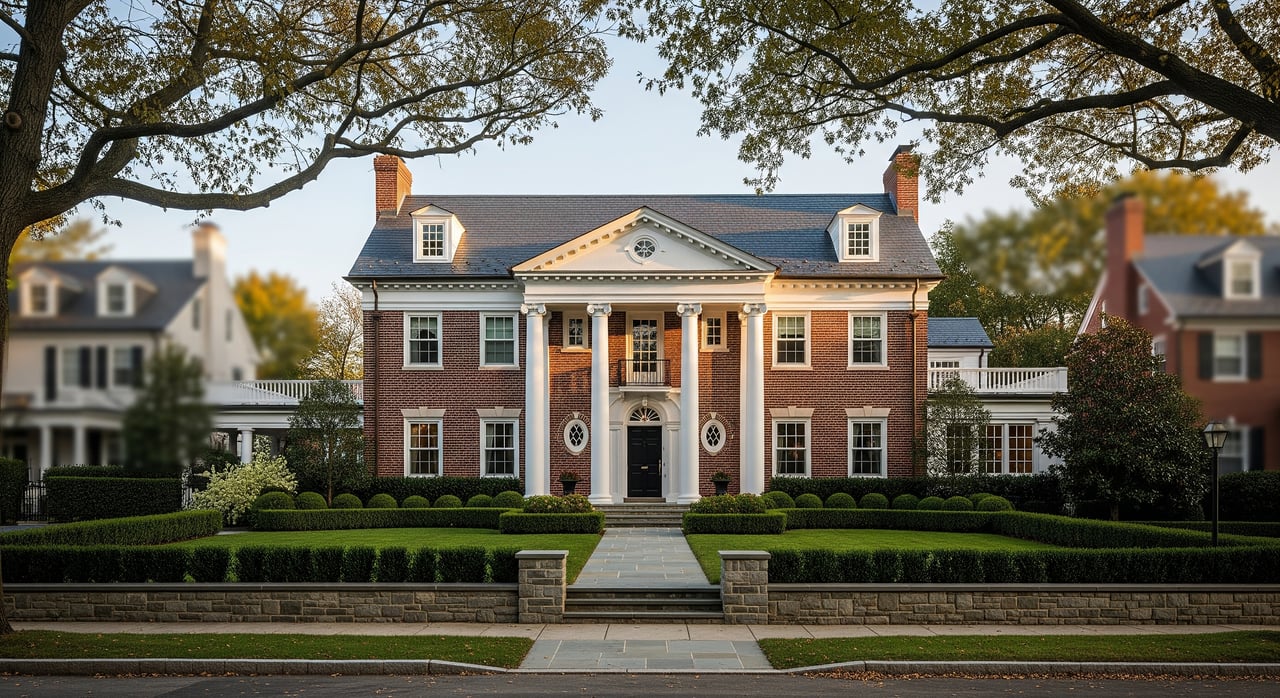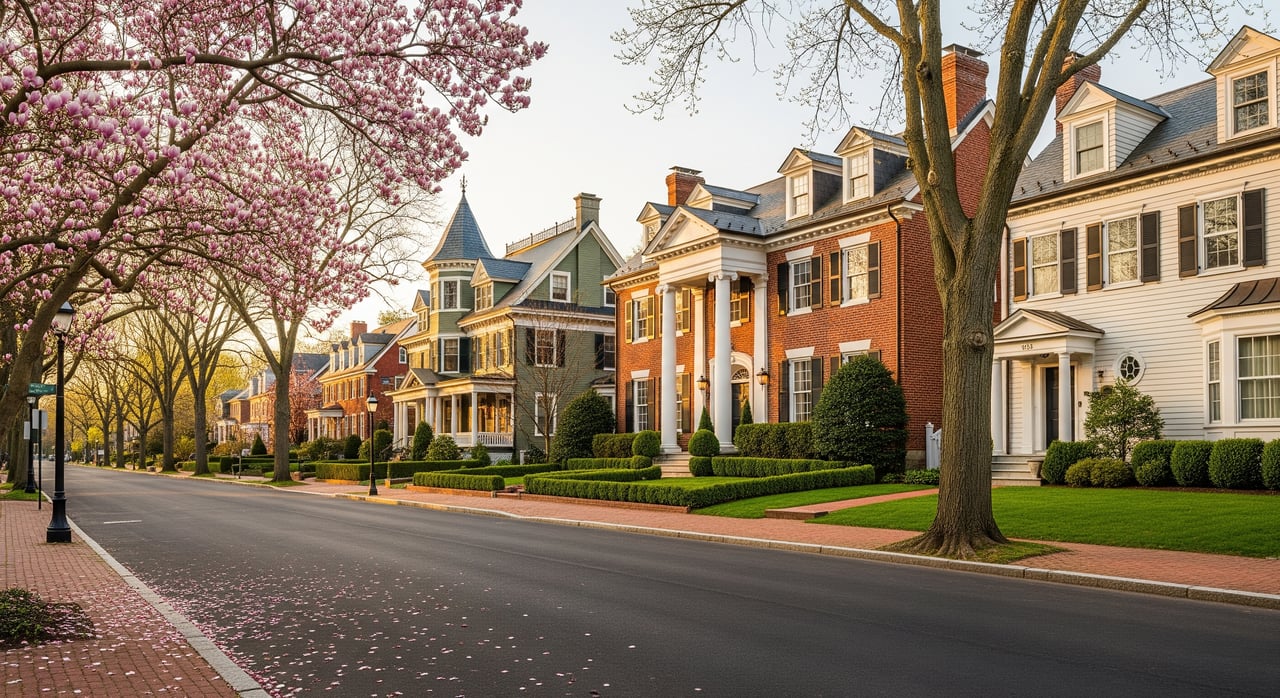
Walk North Avenue past North Martine Avenue on a Sunday afternoon and you'll see the bronze historic markers before you see much else: a Gothic Revival porch here, a Craftsman foursquare there, the old Fanwood station sitting quiet on its platform. This stretch is the Fanwood Park Historic District, 52 acres and 57 contributing buildings added to the National Register of Historic Places on May 27, 2004. The Georgian Revival Urner/Gibbs house, built in 1894 as a wedding gift from Benjamin Urner to his daughter and son-in-law, sits among them as one of the district's signature properties.
Most people who buy or sell in this pocket of Fanwood assume one of two things about that plaque. Either it means nothing beyond bragging rights, or it means a design review board will show up before they can replace a window. Neither assumption is quite right, and the gap between them is exactly where a renovation timeline or a listing description can go sideways.
A National Register Listing Doesn't Run Your Renovation
The National Park Service says federal designation on its own regulates almost nothing for a private homeowner spending private money. If you're not applying for federal historic tax credits and no federal funding or federal permit touches your project, the National Register listing by itself doesn't require you to ask Washington's permission to reroof, repaint, or rebuild a porch railing. That's the part of the story most owners eventually figure out, and it leads a lot of them to relax entirely.
That relaxation is the mistake. The National Register plaque documents history. It doesn't create local authority. Whatever authority exists here comes from somewhere else entirely, and Fanwood built that somewhere else on purpose.
Fanwood's Certified Local Government Status
Only 47 municipalities in New Jersey have earned Certified Local Government status through the National Park Service, a designation that requires a town to pass a historic preservation ordinance and staff a commission that conforms to the state's Municipal Land Use Law categories: someone with architectural or building-design knowledge, someone with local history expertise, and at least one resident member. Fanwood is on that list, named specifically alongside neighboring Plainfield, North Plainfield, Maplewood, and Millburn in a 2020 ordinance document from Westfield's own government, which was working to catch up to CLG status at the time and used those five towns as its benchmark.
That certification is not a rubber stamp. It's the National Park Service and the state signing off that Fanwood's ordinance and commission are real enough to participate in federal preservation partnerships, apply for state grants, and weigh in when a federally connected project touches a historic resource in town. Fanwood's Historic Preservation Commission was established by borough ordinance, and it meets the first Thursday of most months at the Fanwood Community House on North Avenue, with the small museum inside open to visitors the first Sunday of each month.
This is the part a portal listing will never tell you, and it's the reason the plaque on the house is the least important document in the file. The ordinance behind the commission, not the marker on the porch, is what determines whether Fanwood has any working machinery to weigh in on a project.
The State Already Paid Money Because of a Real Problem Here
Here's the detail that should change how a buyer or seller thinks about this district: it isn't hypothetical risk. In 2006, the Garden State Historic Preservation Trust Fund awarded Fanwood Borough a $29,984 grant specifically because of teardown pressure and remodeling that didn't match the district's character. The state's own program summary flags this directly as a threat facing the district's historic resources, and the money funded a feasibility study on a Transfer of Development Rights program designed to give owners of contributing properties an economic alternative to demolition.
For buyers and sellers, the practical takeaway is to distinguish documented preservation concerns from the rules that apply to a specific property. That distinction is worth keeping in mind when considering what a renovation conversation with Fanwood will look like.
This Applies to a Specific Few Blocks, Not All of Fanwood
The historic district sits along North Avenue and North Martine Avenue. A few blocks south, Fanwood's downtown commercial corridor runs under its own redevelopment framework, part of what the borough's zoning code calls the Commercial Corridor district, where new mixed-use buildings and the Block 64 Redevelopment Area operate under an entirely different set of rules and incentives built for density and street-level retail, not preservation.
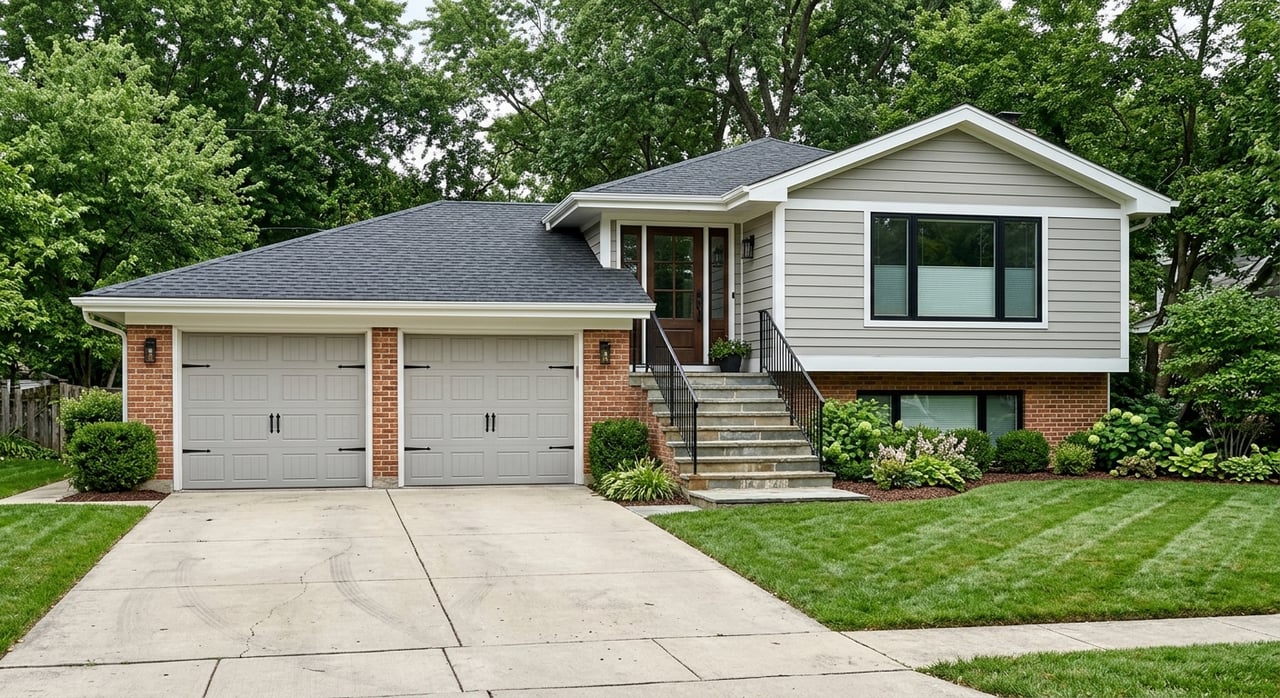
If you're buying a split-level near Forest Road Park or a newer build downtown, none of this touches you. If you're looking at a Cape Cod, Tudor, or Colonial Revival within those 52 acres near the train station, Fanwood's Historic Preservation Ordinance is relevant. The distinction matters for a simple reason: Fanwood's housing stock includes everything from Victorian railroad-suburb architecture to postwar split-levels, and only a narrow slice of it carries this particular set of considerations. Knowing which side of North Martine Avenue a property sits on tells you more about what to expect than the listing sheet will.
What to Actually Do With This Before You Sign Anything
If you're selling a contributing property in the district, don't let a buyer's attorney be the first person who raises the historic designation during attorney review. Say it plainly in the listing conversation and be ready to describe what it does and doesn't mean, because a well-informed buyer moves faster than one who feels blindsided mid-contract.
If you're buying, treat the commission the way you'd treat any other local authority with a stake in your plans: as a resource to call before you finalize a contractor's scope, not an obstacle to work around. A single meeting date and a phone call to Borough Hall is a small amount of friction compared to discovering after closing that a planned addition needs a conversation you didn't know to have.
If you're renovating a property you already own inside the district, the same logic applies in reverse. The Transfer of Development Rights study that came out of that 2006 grant was built around the idea that owners of contributing properties have real economic decisions to make, and the borough has already spent money trying to make preservation the more attractive option rather than the more expensive one.
A Few Questions Worth Settling Early
Does a historic district listing affect my property taxes? That's a question to settle with the Borough before you buy or sell.
Can a buyer act on teardown plans for a contributing property? That depends on what, if anything, the borough's ordinance requires for that specific property, which is exactly why a call to the Historic Preservation Commission belongs early in a transaction, not after an offer is accepted.
Does CLG status mean Fanwood has design review authority over every exterior change? Not automatically. CLG certification confirms the commission meets state and federal structural standards for membership and process. It doesn't by itself tell you the scope of what triggers a review. That's precisely the gap worth closing with a direct conversation rather than an assumption in either direction.
The plaque on a North Avenue porch tells a real story about who built the house and when. It just isn't the document that decides what happens next. In a borough that took the unusual step of earning Certified Local Government status and then spent state money studying how to keep its historic housing stock intact, the smarter move is finding out what the ordinance actually says before you list, buy, or break ground.
If you're weighing a purchase, a sale, or a renovation on a property inside or near the Fanwood Park Historic District, Jayne Bernstein has spent decades working these specific streets and can help you sort out what applies to your address before it becomes a surprise. Request your home valuation and let's start with the facts that actually govern your property.
This article is general information, not legal, tax or financial advice. Consult a qualified professional about your situation.