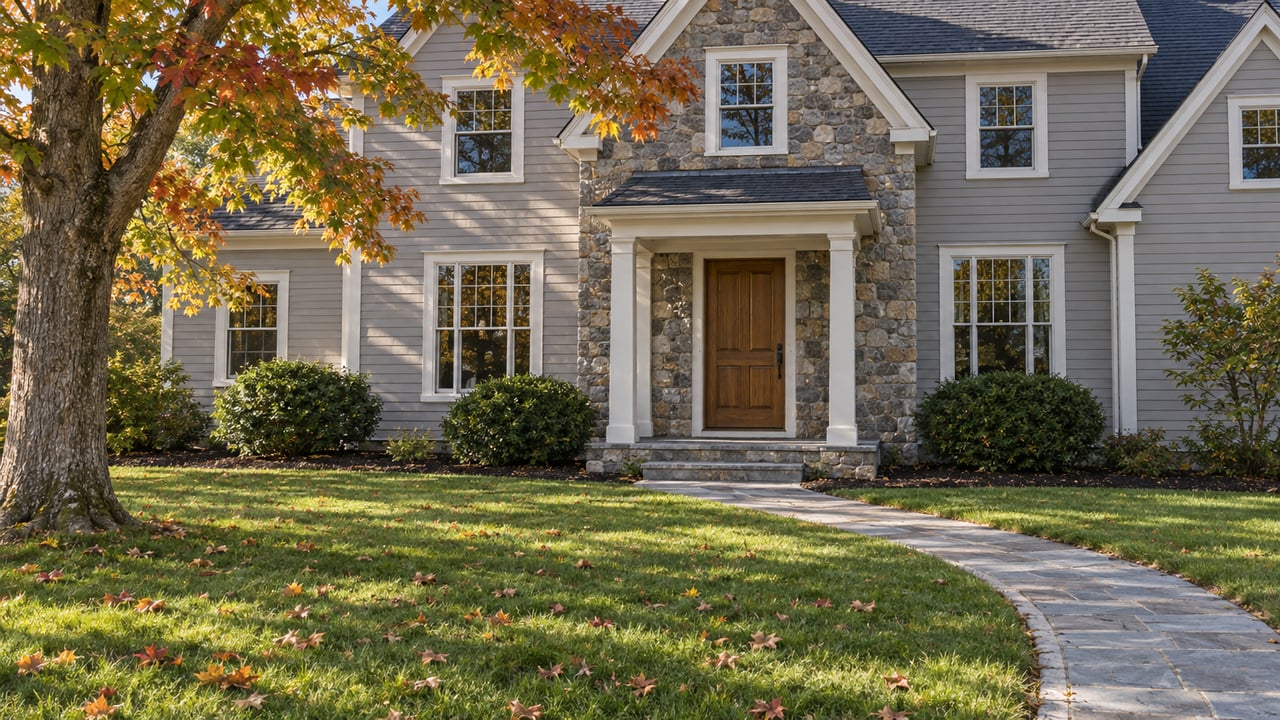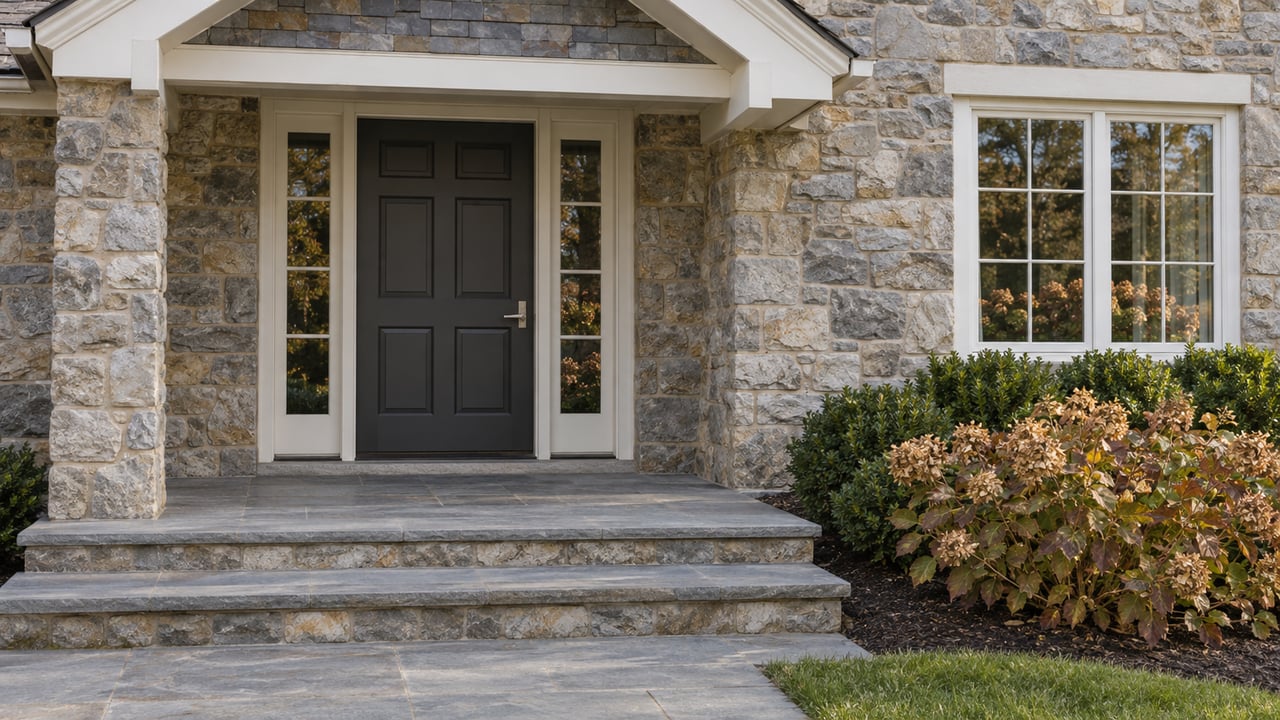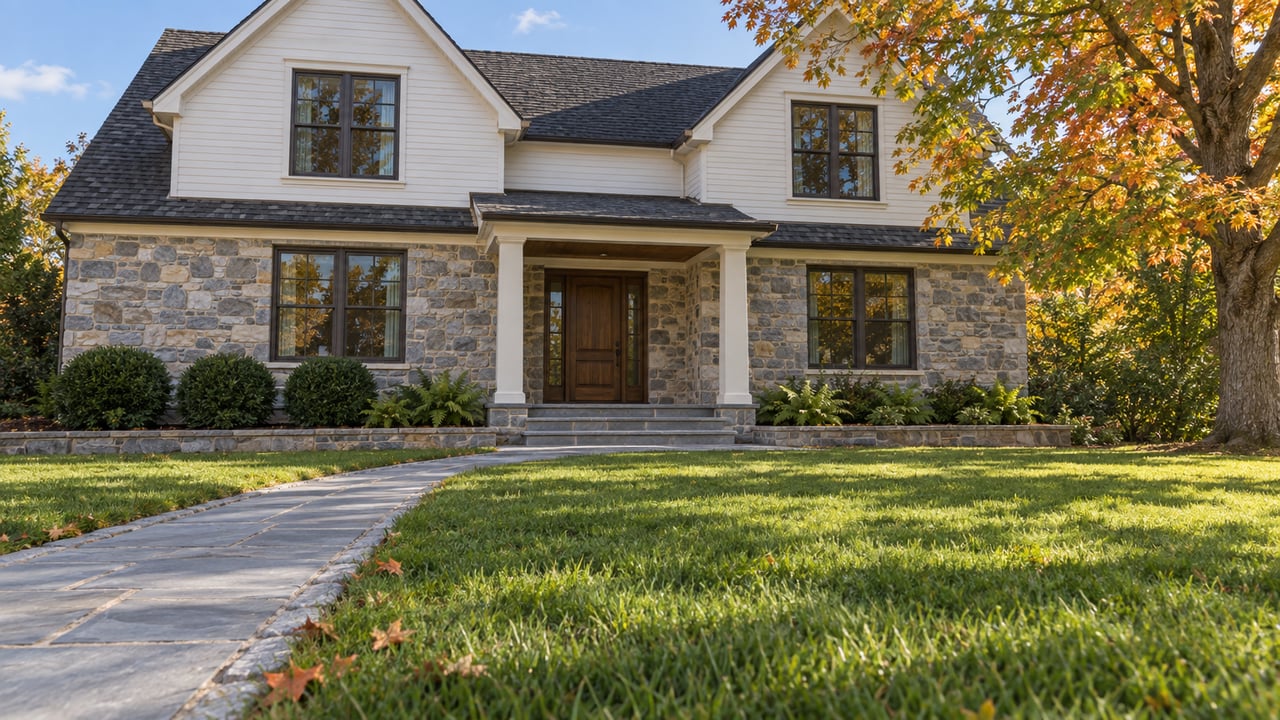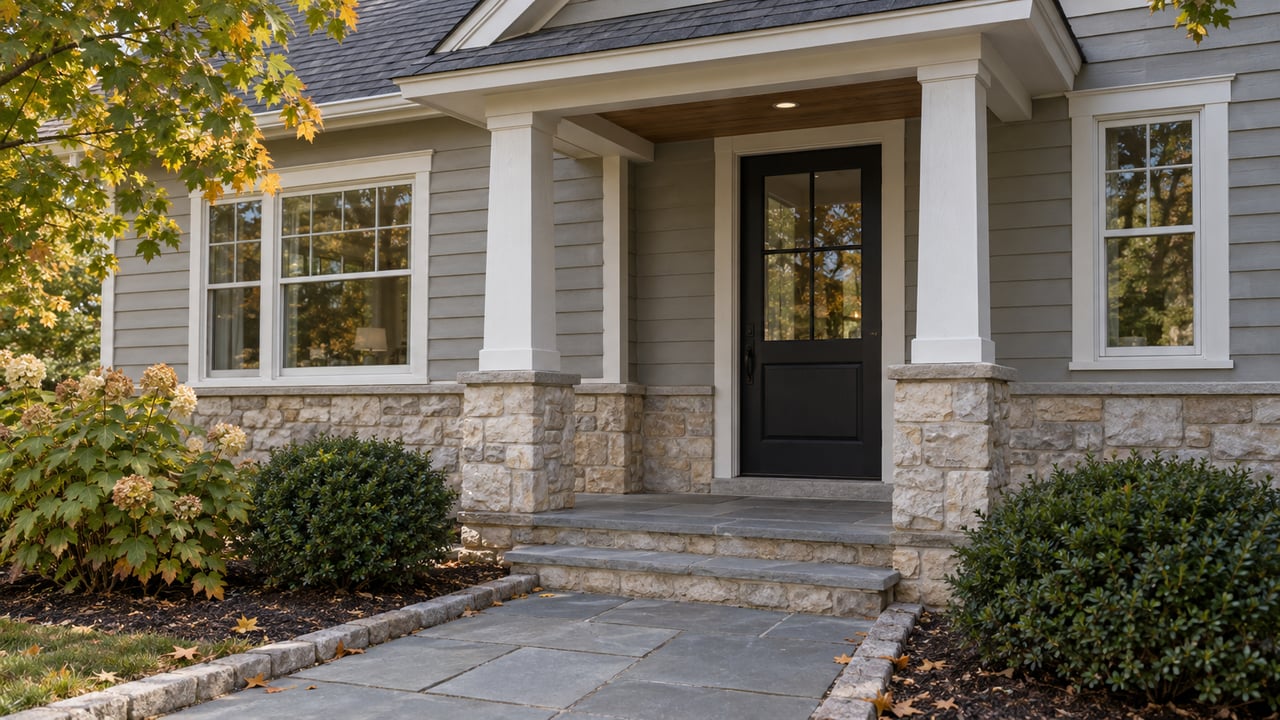
The median sale price in Cranford looks reassuringly steady. The median sale price for homes in Cranford over the last 12 months is $773,000, up 8% from the median home sale price over the previous 12 months. A seller reads that number, picks a listing price a little above or below it depending on condition, and expects the market to sort things out.
That approach worked five years ago. It does not work now, because the single number hides two very different markets sitting side by side. If your Cranford home falls into the awkward space between them, pricing to the median is the fastest way to stall.
The two markets hiding inside one median
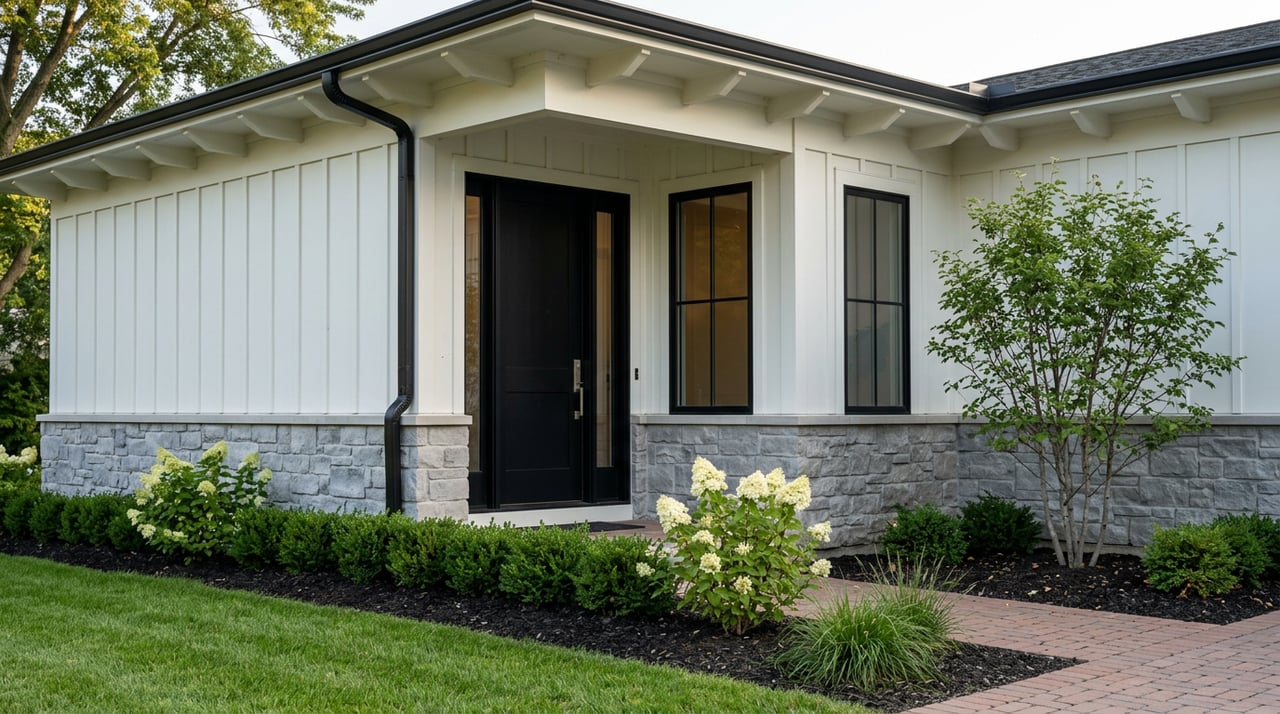
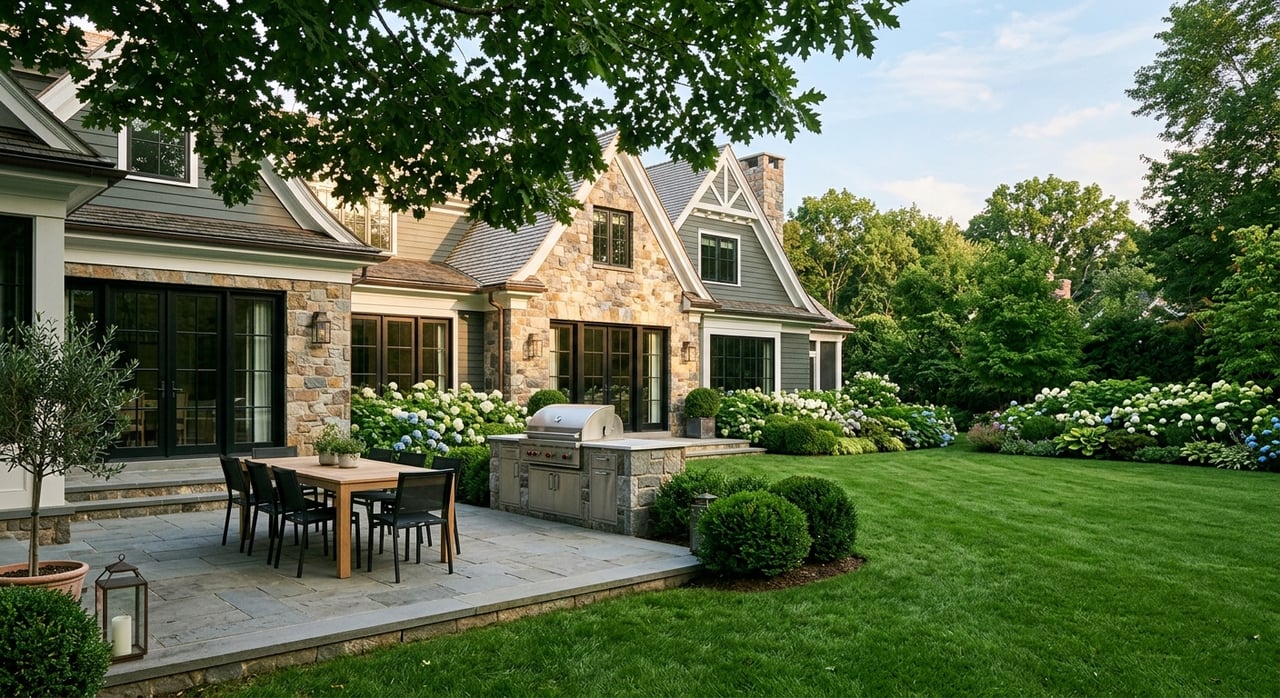
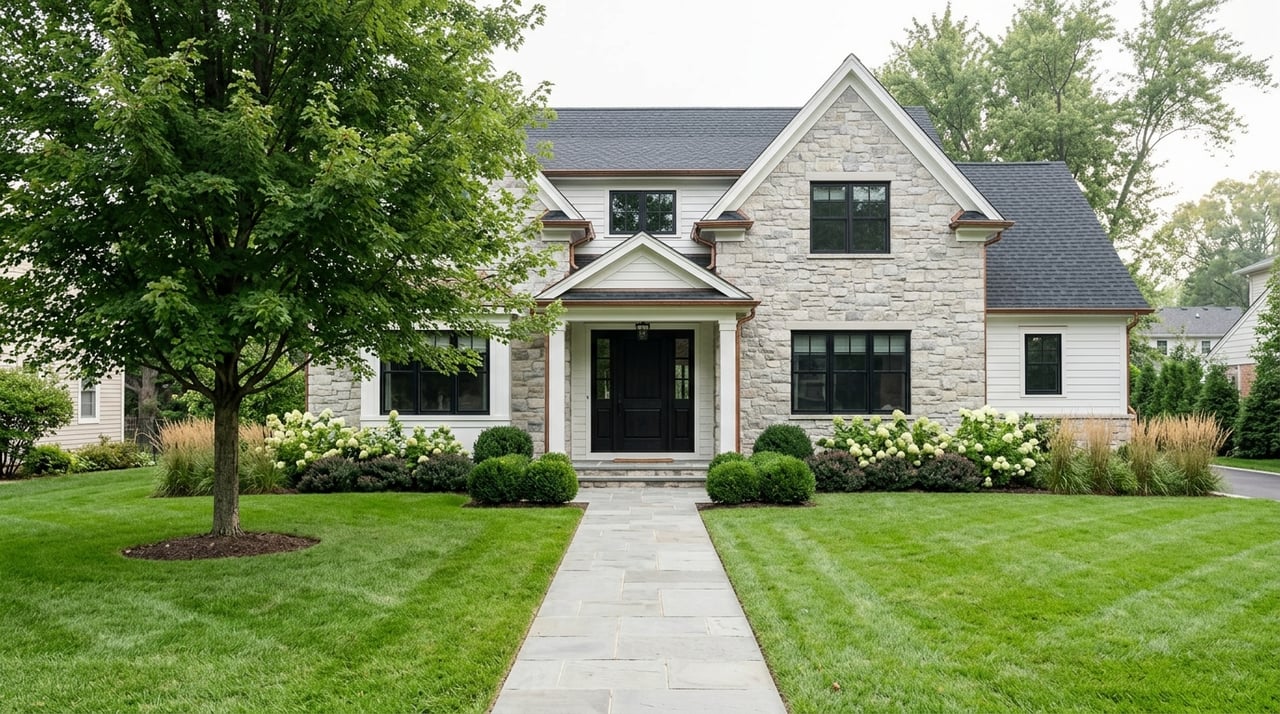
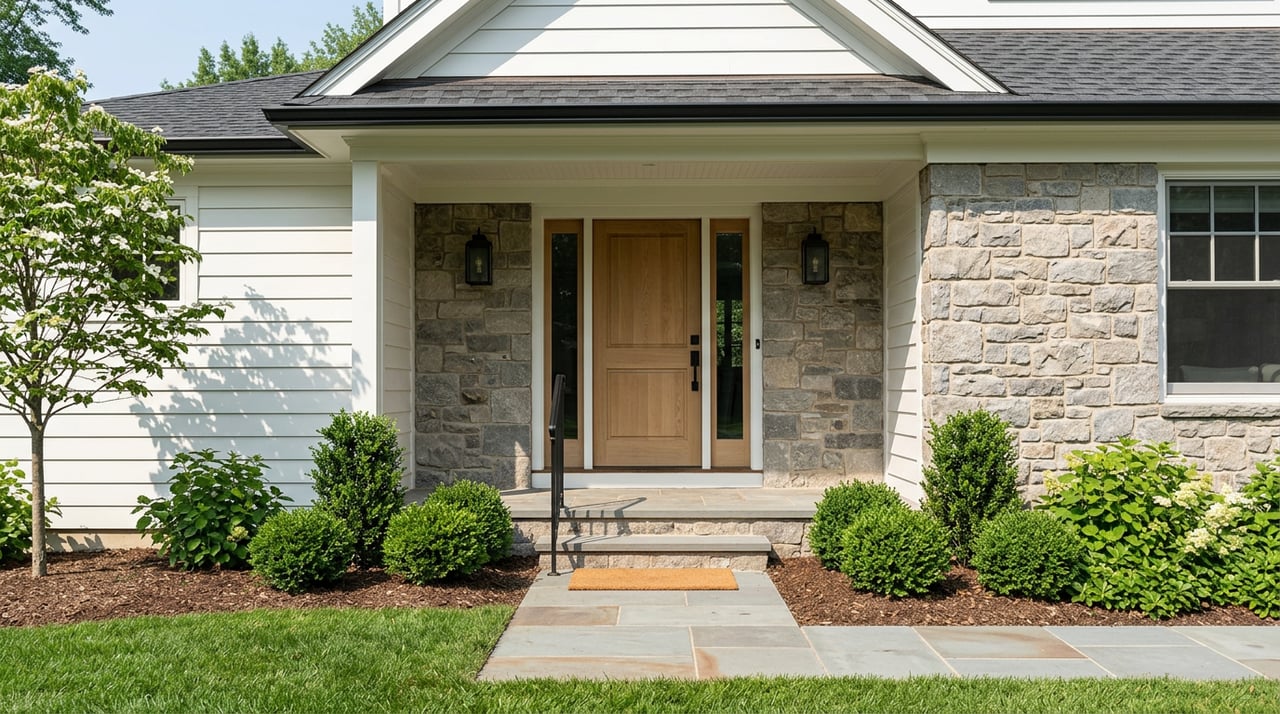
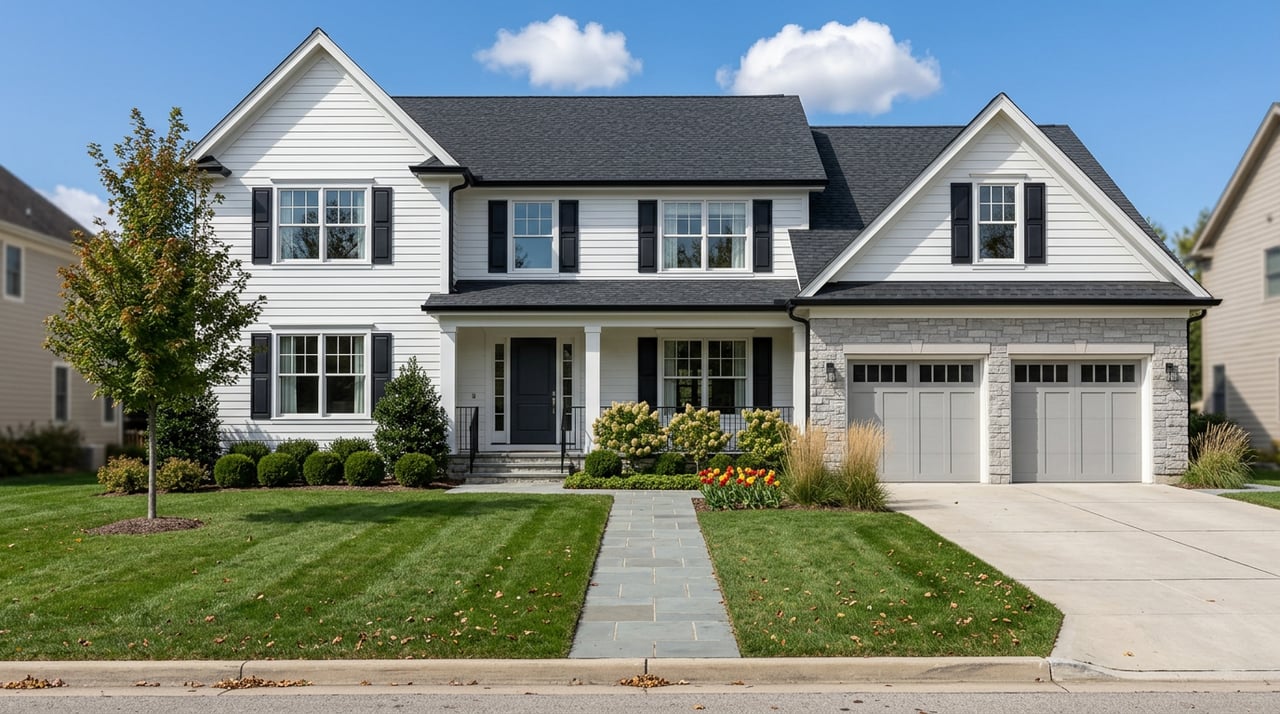
Cranford's price growth has stopped being distributed evenly. Cranford's price growth is concentrated at both ends of the spectrum. At the top, new construction and full gut renovations are consistently closing in the $1.05M–$1.3M range, with select turnkey new builds clearing $1.2M. One recently completed home on a quiet residential street closed at approximately $1.22M, a benchmark that would have felt aggressive in this market two years ago but landed cleanly in today's environment.
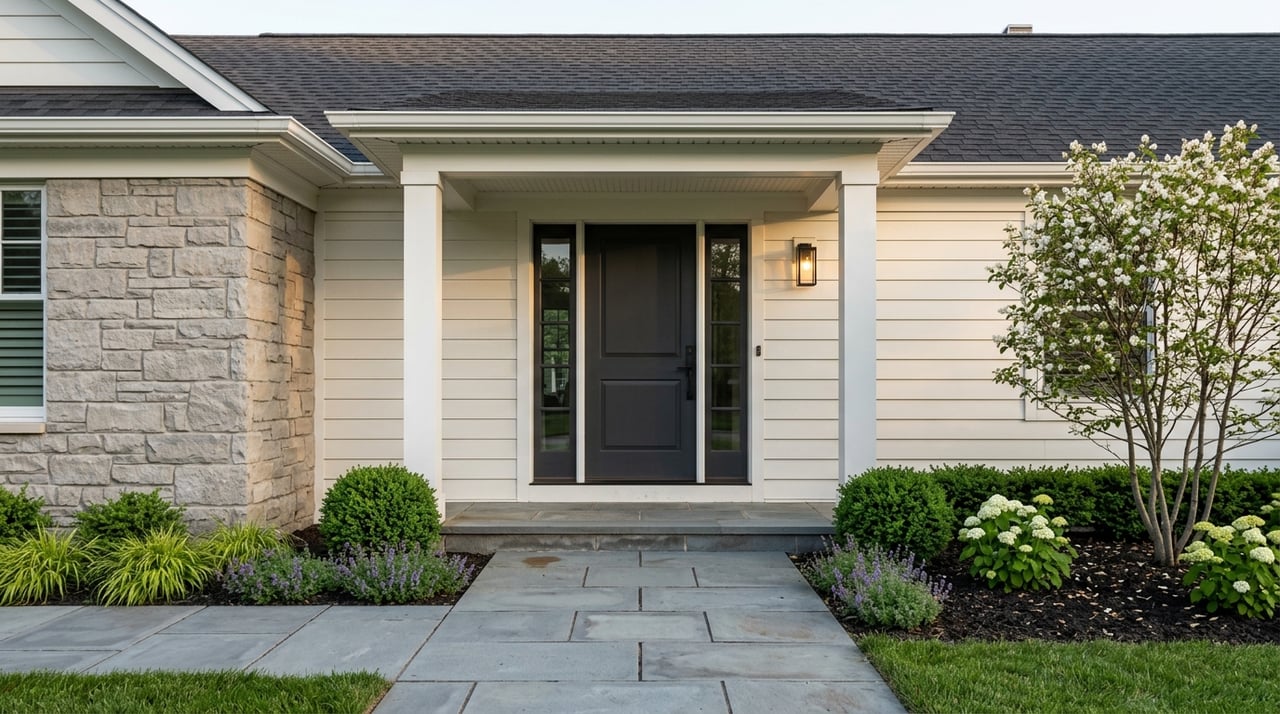
The other end tells the opposite story on paper and the same story in behavior. The $600K–$750K tier is absorbing strong demand from buyers comfortable with renovation projects. These properties move quickly, often with multiple offers, and frequently closing above asking, in some cases 6–12% over list price on clean, well-located homes.
Two audiences. Two products. One median.
| Tier | Typical Price | Who's Buying | What Moves It |
|---|---|---|---|
| Entry / renovation | $600K–$750K | Local builders, gut-renovation buyers | Land value, lot depth, walkability to station |
| Middle | ~$800K–$975K | End users who want move-in ready and can't quite get there | Kitchen and primary bath finish level |
| Turnkey / new build | $1.05M–$1.3M+ | End users paying for zero deferred maintenance | Square footage, new mechanicals, warranty |
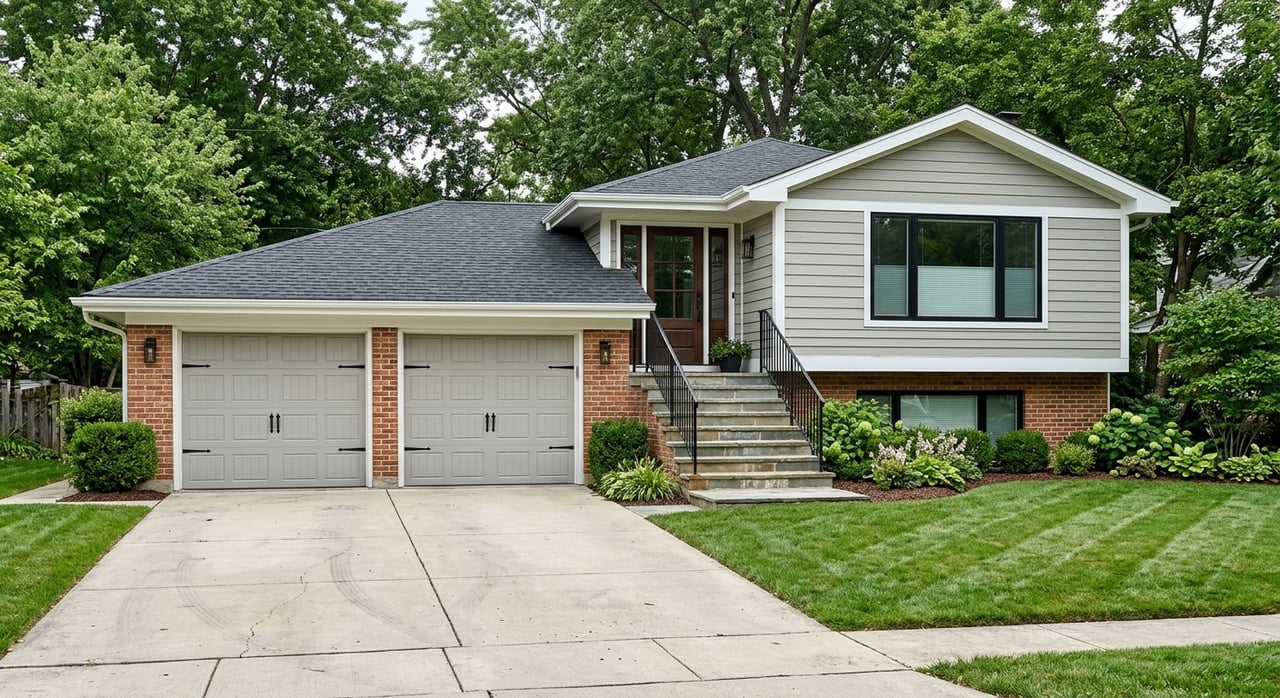
The middle row is the trap. A 1970s split with an updated kitchen and dated baths does not read as a builder's raw material, and it does not read as turnkey. It reads as a compromise, and compromises sit.
Why the middle stalls when the ends do not
Supply constraints work in the entry tier's favor. Cranford's development landscape is shaped by two hard realities: physical size and environmental constraints. The township spans just 4.8 square miles, and a meaningful portion of that land isn't viable for residential development due to floodplain overlay regulations tied to the Rahway River corridor. Cranford's zoning code specifically designates a Floodplain Overlay District, and any project near the river must clear elevation requirements, drainage analysis, and increasingly complex flood insurance implications before a shovel goes in the ground. The practical effect: builders can't simply find underutilized land and build, they have to work within a constrained set of viable parcels, which keeps supply naturally tight.
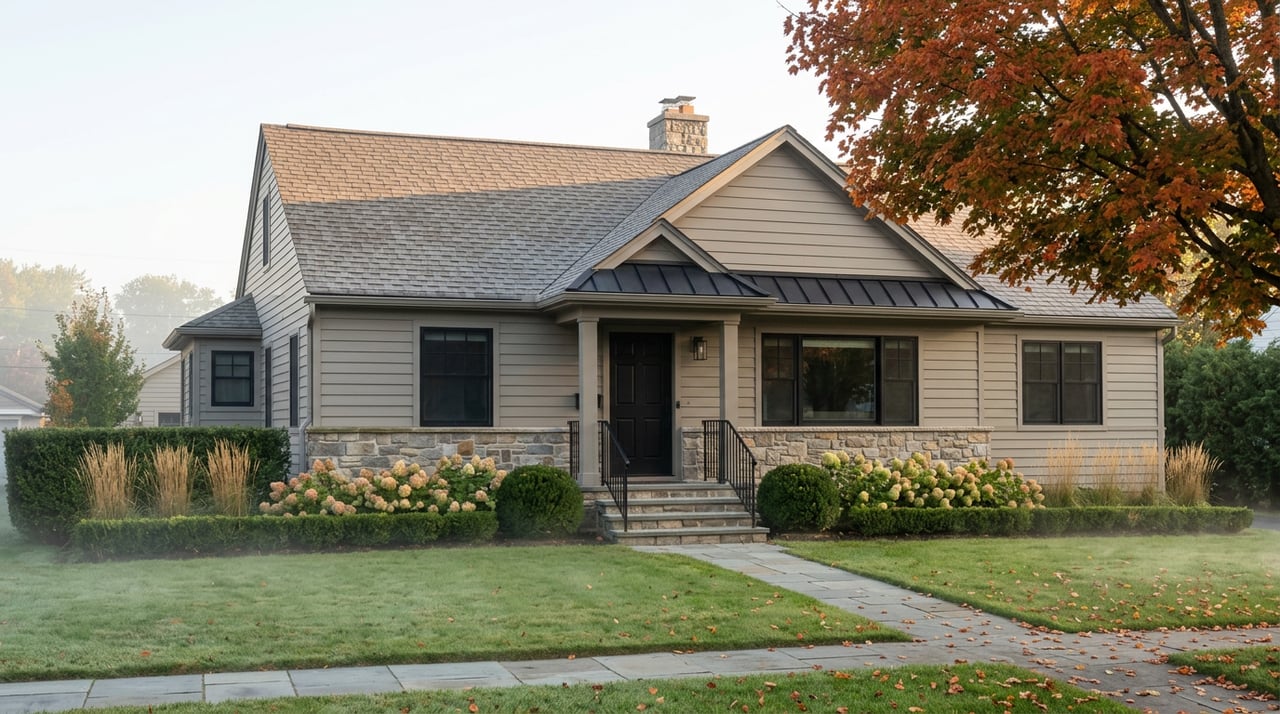
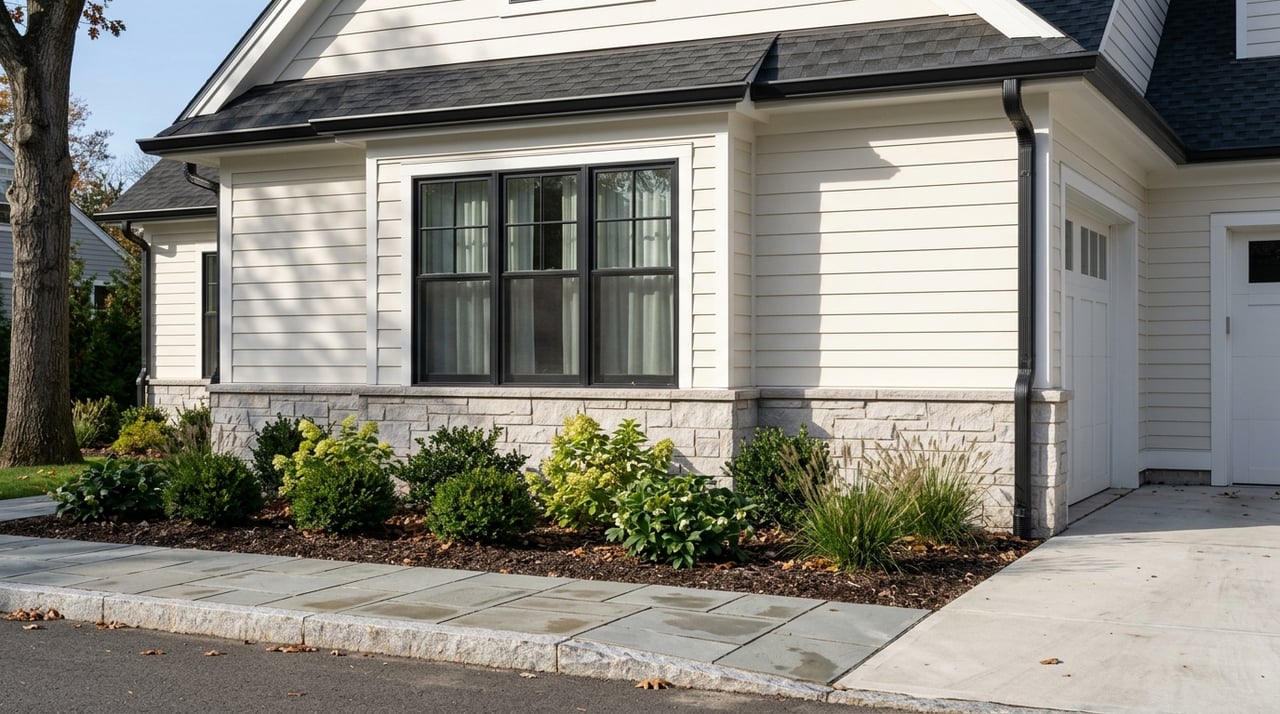
That is why builders and gut-renovation buyers bid aggressively on the older, smaller stock. Every acquisition is a viable parcel that will not exist twice. Builders are targeting older capes and modest colonials in the $400K–$550K acquisition range, replacing them with 3,000–4,000 sq ft homes priced from $1.05M to $1.3M.
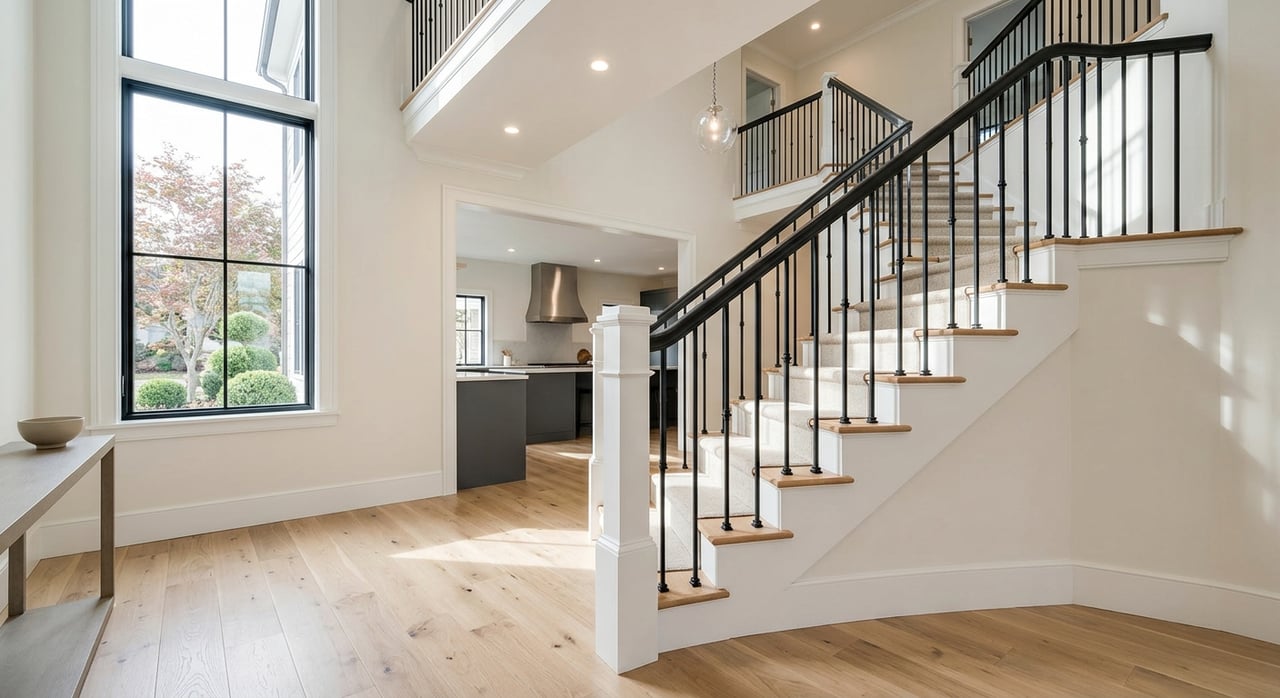
The turnkey tier has its own gravitational pull. Buyers who can write a check for $1.2 million and get a brand-new roof, new HVAC, and a warranty want exactly that. They are not going to pay $950,000 for a 1990s remodel that will need a new furnace in three years.
So the middle-tier seller ends up marketing to a buyer who does not really exist as a distinct segment. Everyone shopping at $900,000 is quietly wondering whether $1.05 million would stretch further, and everyone shopping at $800,000 is quietly running renovation math to decide if they should just buy at $700,000 and put $200,000 into it.
The builder audience nobody's marketing to
If your home sits on a good lot and needs work, you have a second buyer pool most listings ignore. Cranford has a working roster of small residential builders and general contractors actively acquiring here, including Primavera Builder at 117 North Union Ave, Daunno Development, a custom home builder and general contractor in Cranford for over 15 years, and MWT Builders LLC, a locally-owned construction business in Cranford in business since 2013. Supreme Modular also lists Cranford among its active service areas.
These buyers do not read staging or paint colors. They read setbacks, lot dimensions, and comparable new-construction sale prices two blocks over. Marketing a tired 1,600-square-foot cape as a "cozy starter" leaves money on the table. Marketing the same house as a viable teardown or expansion project on a walk-to-station lot invites a different set of offers that often clear well above the tired-cape comp set.
Three ways to price a middle-tier home this fall
Before you list, decide which tier your house actually belongs to. Then price to that tier's audience, not to the blended median. Three honest options:
Price to the land value. If your home is older, smaller than 1,800 square feet, and would need a full mechanical and cosmetic refresh to reach turnkey standards, list at a number that motivates the builder pool. This is often close to what recent teardown-target closings have produced. Sale-to-list numbers on this tier have run above asking; a well-positioned entry can attract multiple offers inside two weeks.
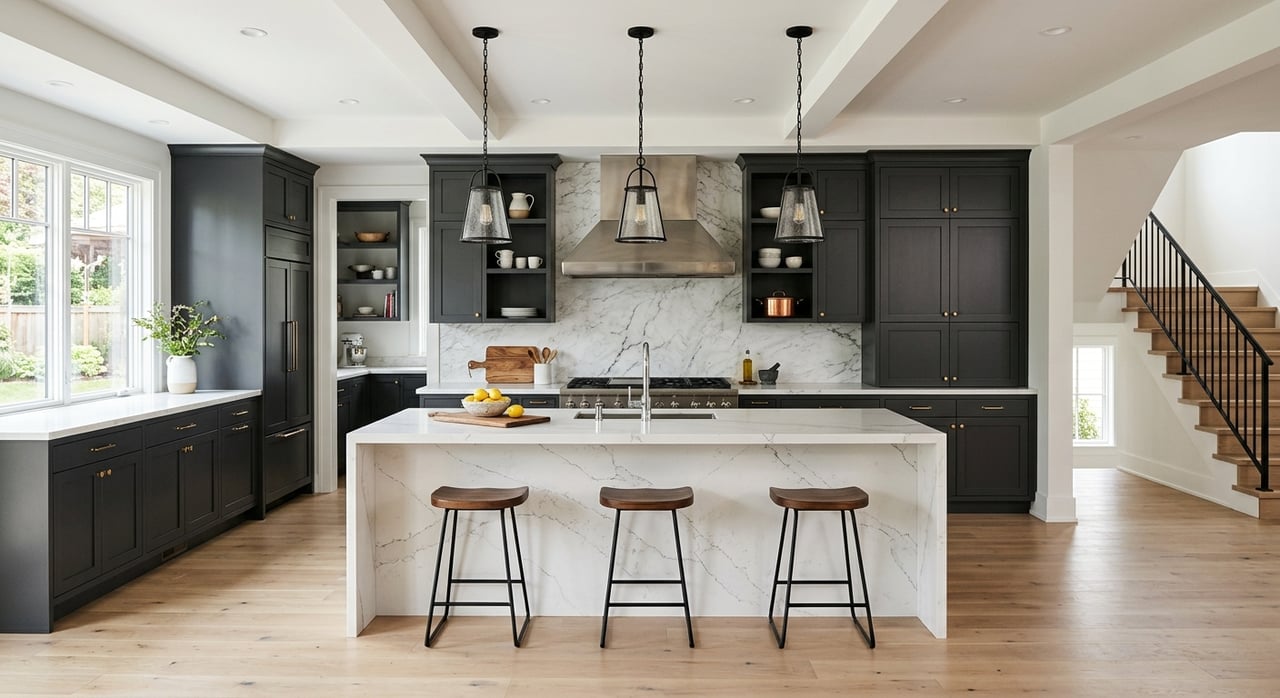
Price to the finish level. If you have already put real money into the kitchen and both full baths within the last five years, and the mechanicals are current, price at the top of the middle band with staging and photography that show the finish level clearly. The reader who lands on the listing needs to see, in the first three photos, that they will not be renovating.
Invest selectively before listing, then reposition upward. A refinished floor, a resurfaced primary bath, and a repainted interior can move a home from "compromise" to "turnkey" in the buyer's mental sort. Whether the math works depends on your starting condition. A pre-listing conversation with a builder or a trusted contractor will tell you what a targeted $40,000 to $75,000 spend can and cannot buy.
The wrong move is picking a price that averages the tiers. You end up with the wrong audience walking through on Sunday and the right audience never opening the email.
The fall inventory window matters more than usual
Cranford has been running lean all year. On the supply side, the market is carrying roughly 1.7 months of supply, well below the 5–6 months that would indicate a balanced market. New listings were down approximately 20% year-over-year through spring 2025, and closed sales dropped considerably as well, largely because buyers are waiting longer for the right property rather than settling.
As of early August 2026, local MLS-driven feeds showed roughly 22 active single-family listings in Cranford. Against 188 homes sold in Cranford over the last 12 months, with homes selling after 23 days on the market on average compared to the national average of 52 days, that is remarkably thin coverage for a market that continues to absorb steady demand.
A well-prepared September or October listing in Cranford this year will not compete with fifteen similar homes on the same weekend. It will compete with three or four, and one of them will be overpriced.
Buyer demand does not disappear after Labor Day here. The commute advantage of NJ Transit's Raritan Valley Line at roughly 45 minutes to NYC continues to be a major draw for NYC-area professionals, particularly as hybrid work schedules make in-office days fewer but commute quality more important than ever. The Cranford district remains a powerful demand driver, creating a floor of steady buyer demand regardless of broader market conditions. The buyers touring in October are not casual. They have a reason to close by year-end.
The strongest fall listings are the ones that have picked a tier, priced to it, and prepared the property to speak to that tier's audience without ambiguity.
Frequently asked questions
Is Cranford still a seller's market heading into fall 2026? For well-prepared homes in the entry and turnkey tiers, yes. Roughly 1.7 months of supply is well below the 5–6 months that would indicate a balanced market. Middle-tier homes are the ones that behave more like a balanced or slower market, and that is a positioning problem, not a demand problem.
Does spring still produce better outcomes than fall? Spring has more buyers, and it also has more listings competing for those buyers. Fall has fewer buyers and much less inventory. For a middle-tier home that would otherwise get lost in a spring flood of comps, a September or October launch can produce a cleaner outcome.
Should I renovate before listing or sell as-is? It depends entirely on which tier your home is closest to. If you are one bathroom refresh away from a defensible turnkey listing, the math often works. If you would need $200,000 of work to reach turnkey, list to the builder pool instead.
What should I do first? Get a walkthrough from an agent who will tell you honestly which tier your home belongs to, then a second opinion from a builder if the answer is close to the line. Pricing follows positioning, not the other way around.
Every Cranford home has a natural buyer this fall. The listings that stall are the ones priced to a median that does not reflect either of the two audiences actually writing offers. If you are thinking about a September or October launch and want a candid read on which tier your home belongs to before you commit to a price, Jayne Bernstein can walk the property with you and put a strategy in writing. Request your home valuation to get started.