Trying to make sense of Fanwood’s neighborhoods and house styles? You’re not alone. This small, transit-focused borough packs a lot of character into just 1.3 square miles, which can make the local pockets and price points feel confusing at first glance. In this guide, you’ll get a clear mental map of Fanwood, a plain-English breakdown of the most common home styles, current price ranges, and quick tips for finding your best fit. Let’s dive in.
Fanwood at a glance
Fanwood is compact and community oriented, with a 2020 Census population of 7,774 in about 1.3 square miles. That scale means “neighborhoods” function as recognizable pockets rather than large, formally named districts. You’ll hear locals reference downtown by the train station, the historic Fanwood Park area north of the tracks, the southwest Kramer Manor pocket, and the mid-century streets to the west and east. For a quick orientation and borough basics, start with the town’s overview on the Discover Fanwood page at the municipal site.
- Population and quick facts: See the latest profile on the U.S. Census QuickFacts page for Fanwood Borough.
- Downtown details: Get an overview of the South Avenue corridor, train station, and parking through the borough’s Discover Fanwood resource.
Fanwood’s main pockets explained
Downtown and South Avenue corridor
This is the walkable commercial core centered on South Avenue and the historic Fanwood train station along NJ Transit’s Raritan Valley Line. You’ll find shops, dining, town events, and commuter parking clustered here, along with new mixed-use projects and station-facing apartments or townhomes. Buyers often pay a premium to live a short walk from the trains and amenities, especially when inventory is tight. For a feel of how downtown has evolved, view a representative mixed-use address along South Avenue that reflects the recent growth in transit-oriented homes.
What you’ll see: townhouses, low-rise condos or apartments in mixed-use buildings, and a few small single-family lots very close to the station.
Who it fits: commuters and anyone who wants maximum walkability with minimal car dependence.
Fanwood Park Historic District (north of the tracks)
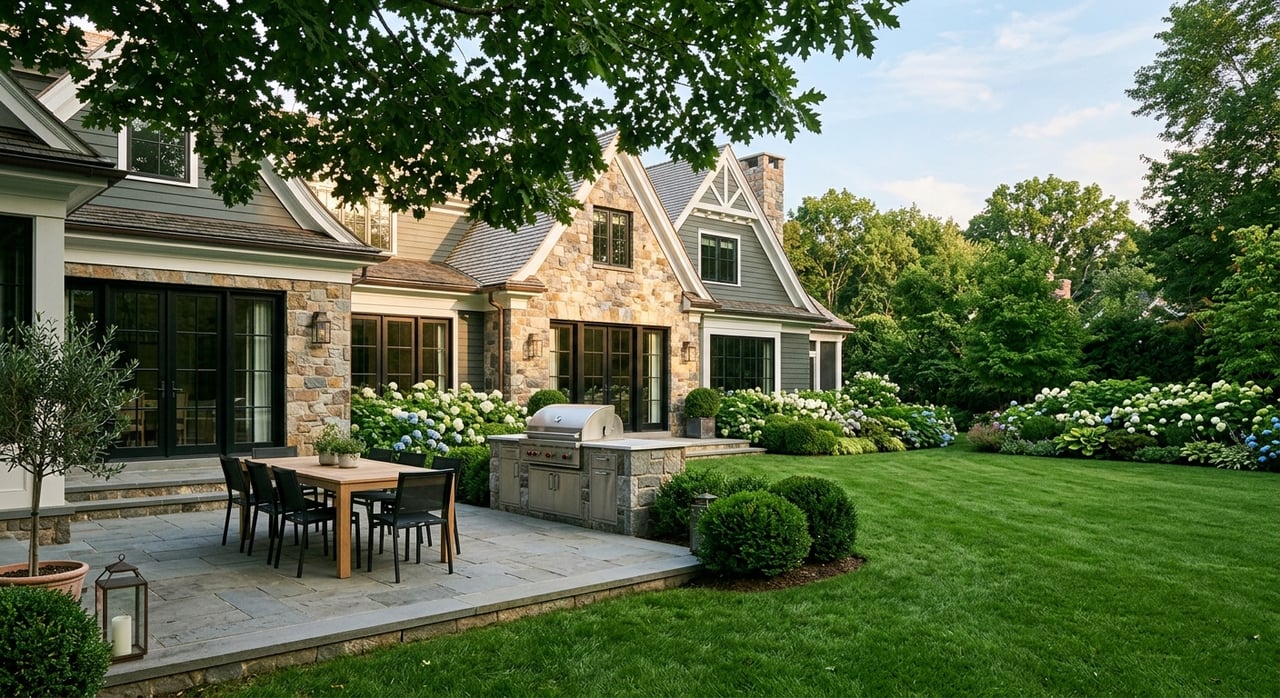
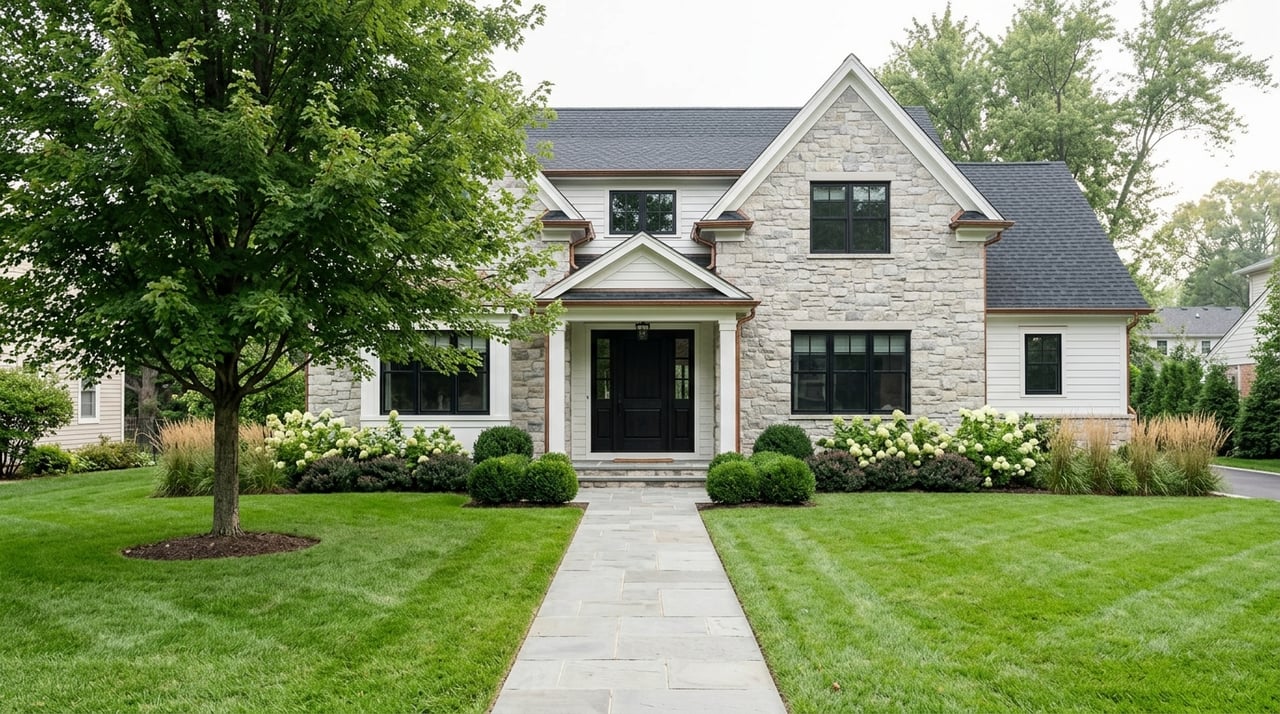
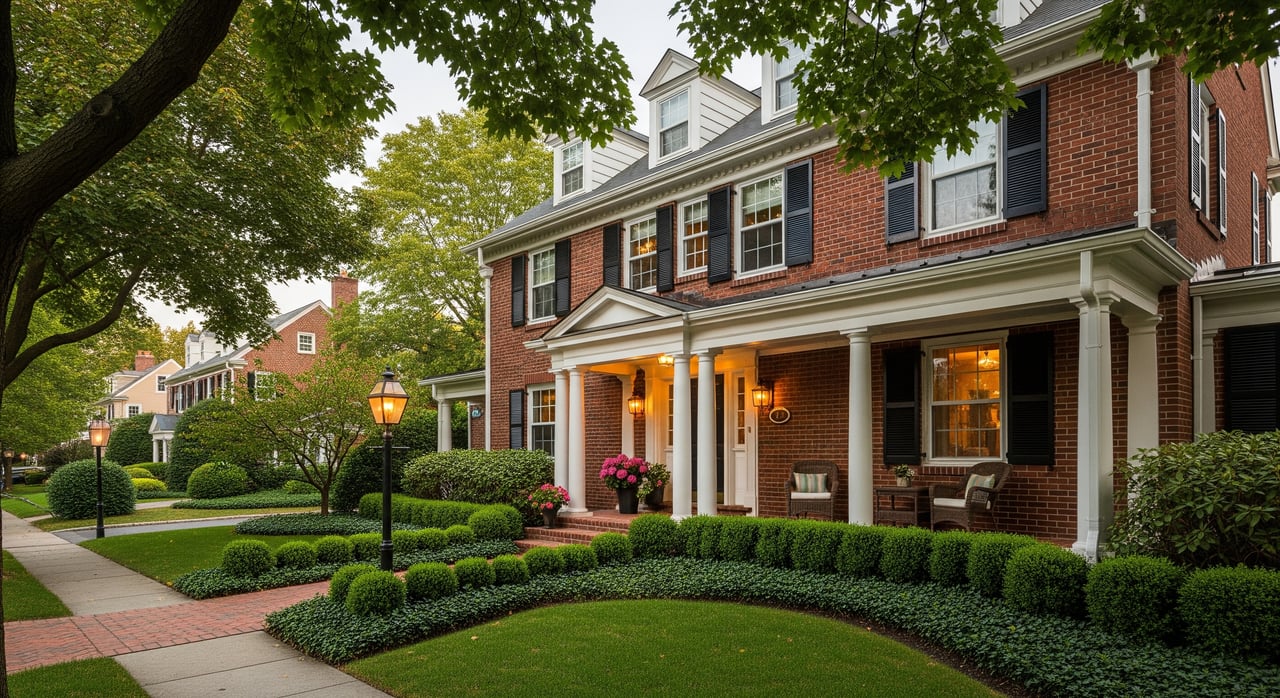
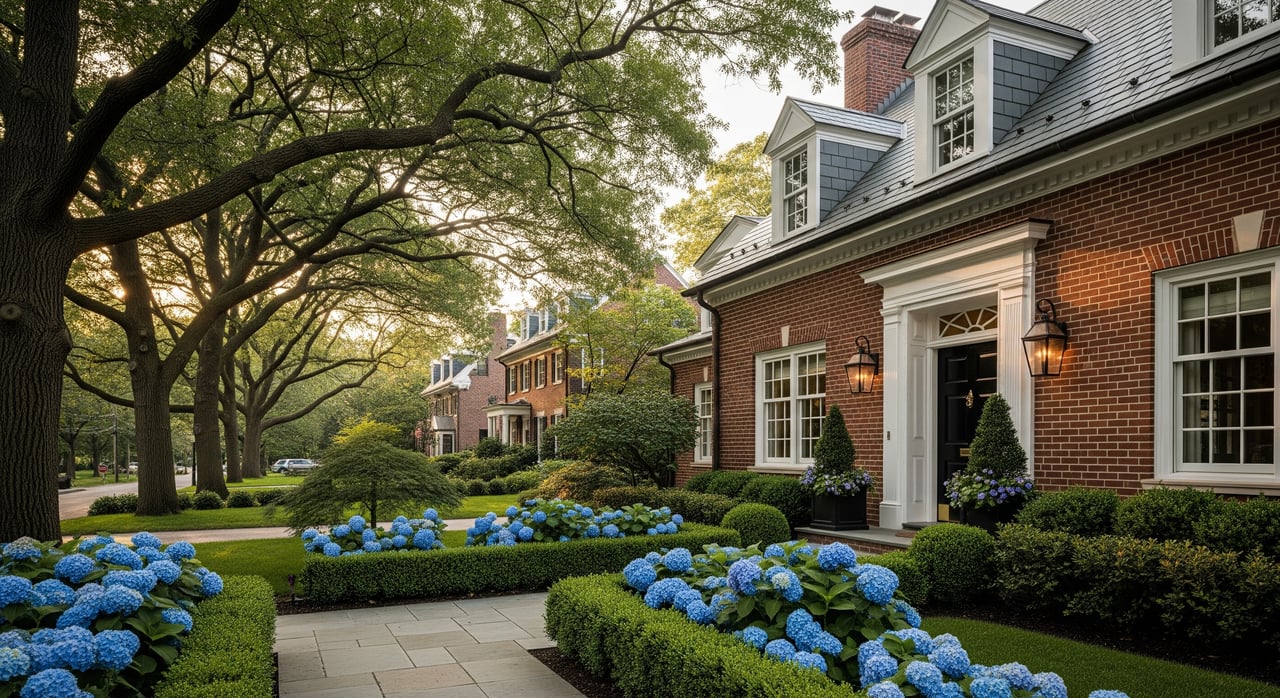
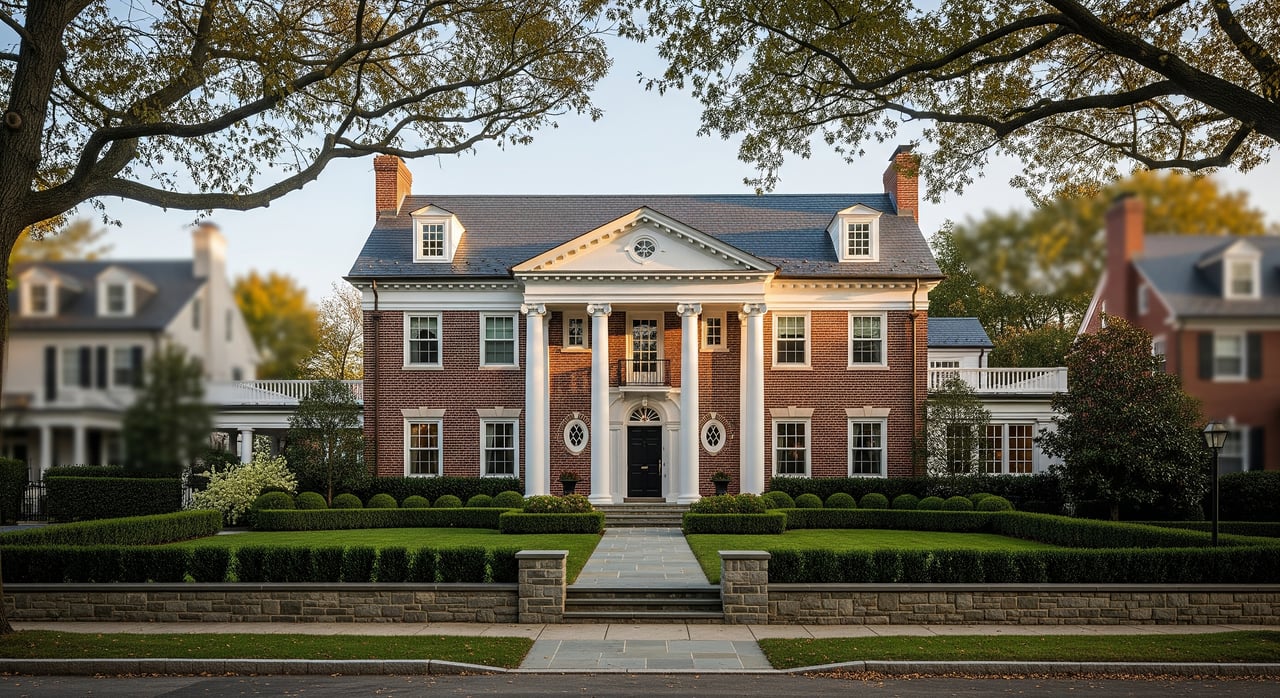
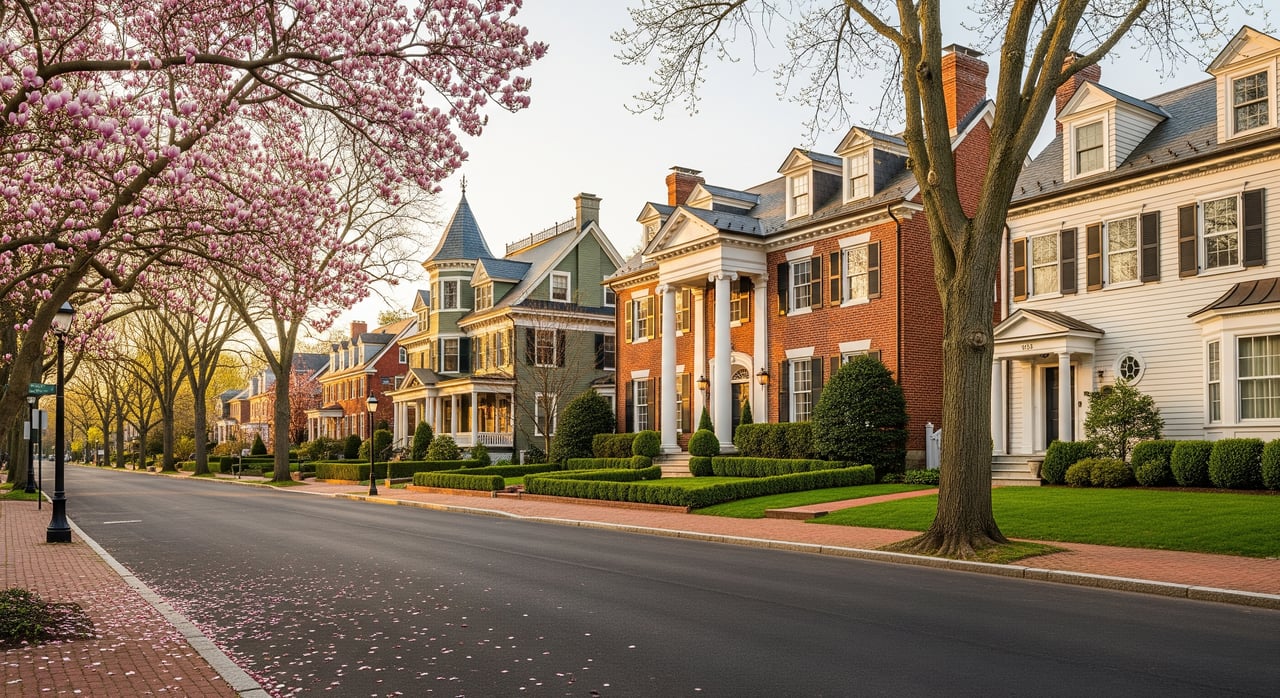
North of the railroad, around North Avenue and North Martine, sits Fanwood’s historic residential pocket. The Fanwood Park Historic District is noted by the New Jersey Historic Trust for its late 19th and early 20th century architecture, including Victorian, Colonial Revival, Georgian Revival, Craftsman, and Tudor styles. Homes here often sit on larger, older lots and display period details that give the area its distinct character.
What you’ll see: older, often larger Colonials, Victorians, and Tudor or Georgian Revival homes, many on well-landscaped lots.
Who it fits: buyers who value architectural detail, a neighborhood with historical context, and proximity to downtown. If you plan renovations here, review historic-district considerations and preservation goals before you begin.
Station-adjacent central streets
Just north and south of the tracks around North and South Martine Avenue, you’ll find blocks that blend older stock with mid-century updates and a handful of newer infill homes. The appeal is simple: a short walk to shops, the library, and the train, without being directly on the South Avenue corridor. Lot sizes tend to be moderate, often in the 0.12 to 0.25 acre range depending on the street and block.
What you’ll see: a mix of Cape Cods, classic Colonials, mid-century split-levels, and renovated homes from the late 20th century forward.
Who it fits: buyers who want daily convenience and a quick walk to transit and downtown, but a quieter residential feel than South Avenue.
Kramer Manor and the southwest pocket
Kramer Manor is a historically significant neighborhood that straddles Fanwood and Scotch Plains. Created in the 1920s, it holds a notable place in local homeownership history and has a strong community identity, including its own park and amenities. You’ll mostly encounter modest single-family homes on smaller to moderate lots.
What you’ll see: stable residential streets with smaller-scale single-family homes and ongoing renovations over time.
Who it fits: buyers seeking a neighborhood feel within a budget that is often more modest than the largest historic-lot homes to the north, while remaining close to Scotch Plains amenities.
Western and eastern residential pockets
On and around Terrill Road, Westfield Road, Forest Road, and nearby side streets, you’ll find much of Fanwood’s mid-century housing. These areas are where many buyers discover the best value compared with the station-adjacent blocks. Expect a variety of Cape Cods, split-levels, ranches, and family-sized Colonials, with lot sizes that range from modest to somewhat larger suburban parcels depending on the street.
What you’ll see: mid-century homes with sensible footprints, often updated over time, and occasional newer construction on larger lots.
Who it fits: buyers prioritizing space and value over being within a few minutes’ walk of the train platform.
Common home styles and where they cluster
Late 19th and early 20th century architecture
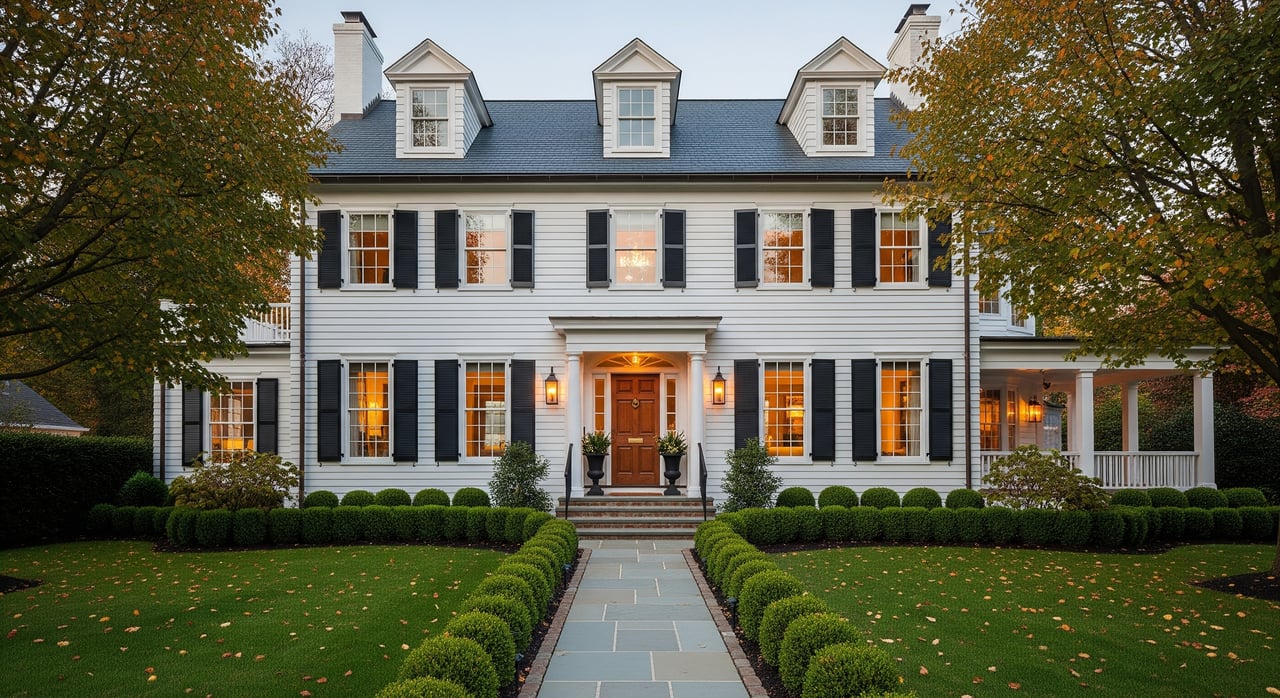
The Fanwood Park Historic District and adjoining north-side streets feature Victorian, Colonial Revival, Georgian Revival, Tudor, and Craftsman homes. These properties often include period millwork, front porches, turned staircases, and classical proportions. The borough and preservation partners have noted ongoing development pressure and an interest in sensitive renovations that honor the district’s character.
Where to look: Fanwood Park north of the tracks and nearby connecting streets.
Capes and bungalow-scale homes
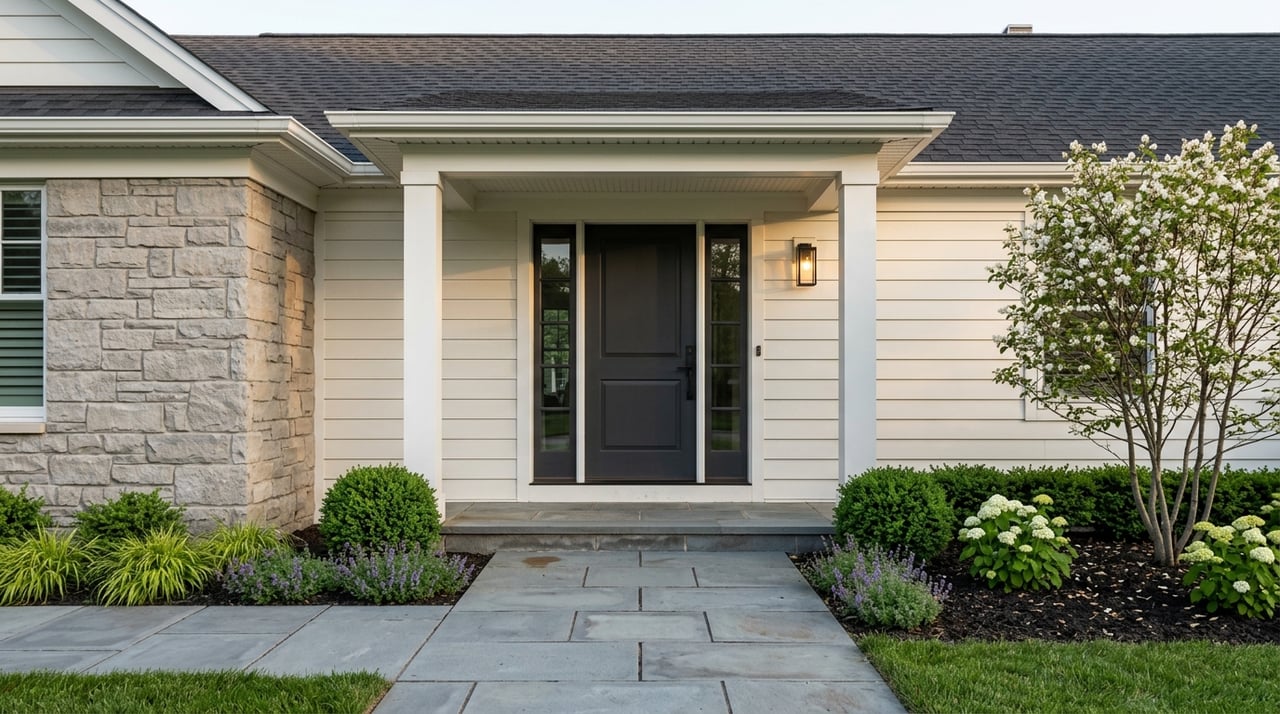
Cape Cod and bungalow-style houses from roughly the 1920s to the 1950s are common across Fanwood, especially in the western and eastern residential pockets and in some blocks close to downtown. Many serve as entry-to-mid price options and have seen creative dormer additions or interior reconfigurations to maximize space.
Where to look: the west and east side streets, with some examples closer to the core.
Mid-century split-levels and ranches
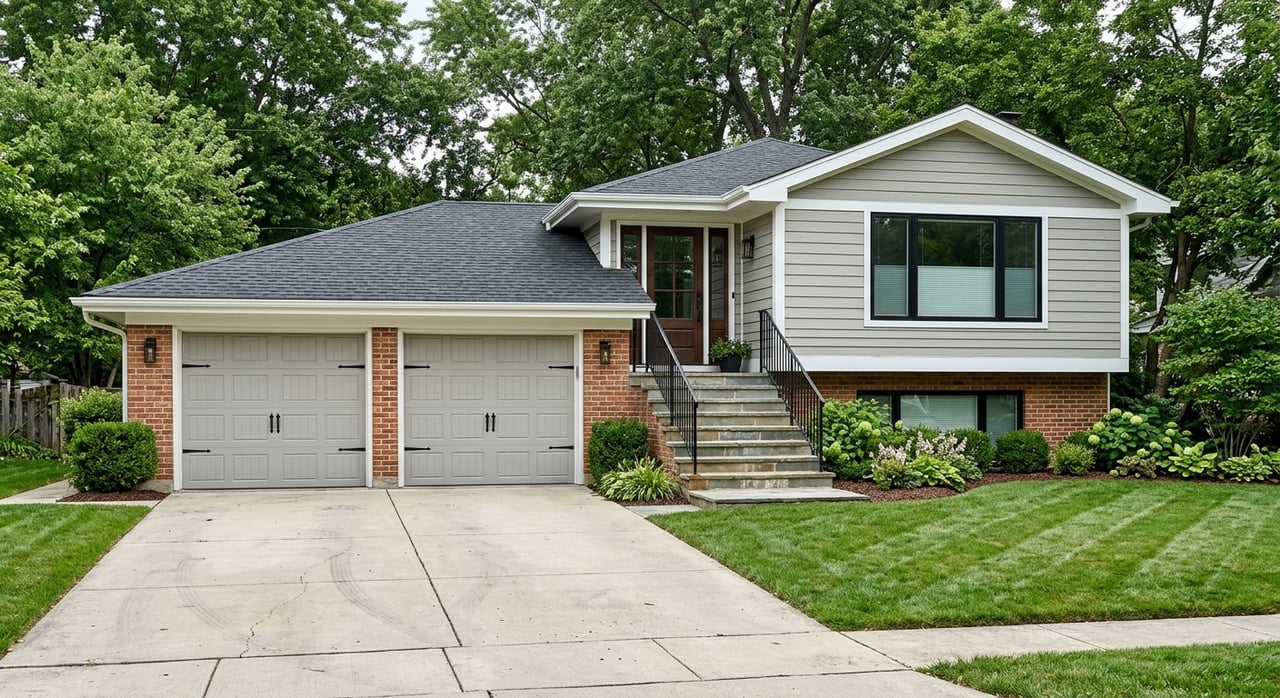
Split-levels and ranches from the 1950s to 1970s are frequent throughout the borough. These homes offer efficient layouts and typically larger interior footprints than many smaller capes. Recent sales illustrate that well-renovated mid-century homes a few blocks off the core can command strong prices while offering good value relative to the station-adjacent streets.
Where to look: across central, western, and eastern residential areas, often within a short drive or moderate walk to downtown.
New construction and infill
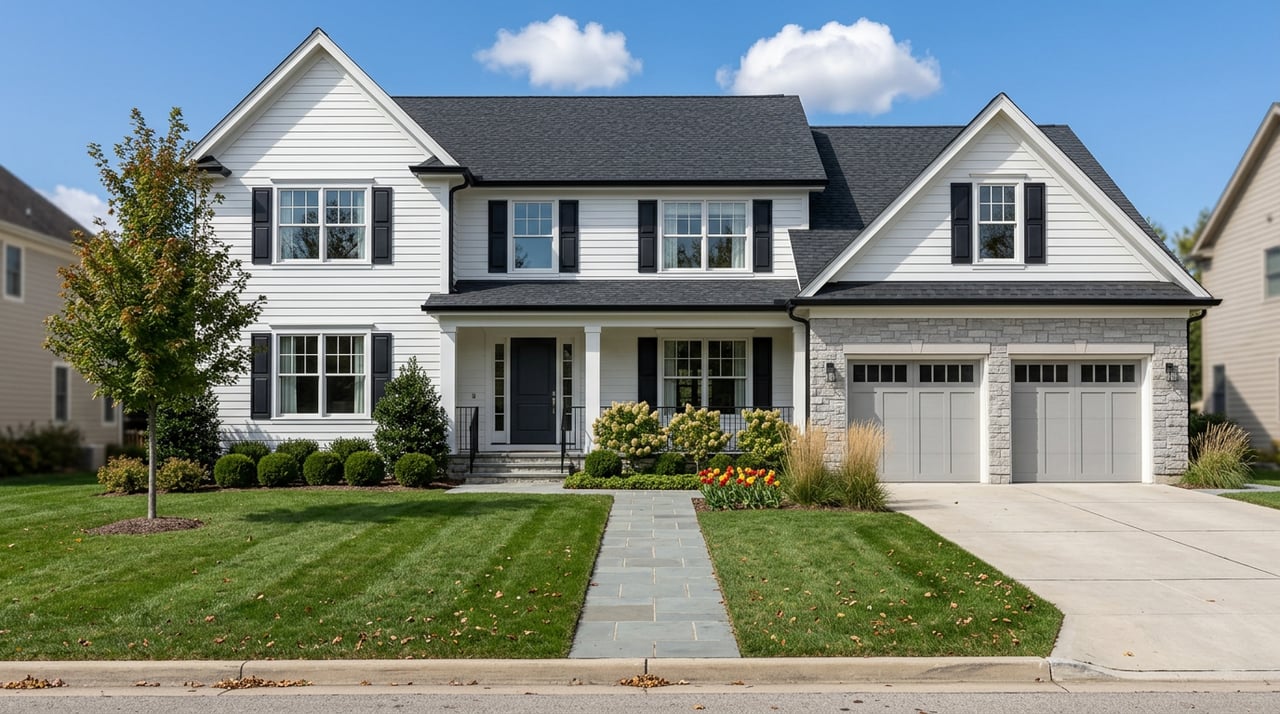
While Fanwood is largely built out, you will see newer single-family homes replacing older stock, plus pockets of new builds on larger lots. Downtown redevelopment has also created new apartment and townhome options in mixed-use settings within steps of the train. For a sense of a recent single-family rebuild on a larger lot, review the public property record for a 2022 build on Westfield Road. For station-area living, browse a representative mixed-use address along South Avenue that reflects downtown’s reimagined blocks.
What homes cost right now
Buyers often ask for one number, but different market trackers report different medians. A practical approach is to watch a short range and update it before you tour. Recent snapshots suggest the following for single-family homes:
- Median single-family price range: 760,000 to 820,000
- Date checked: January 2026
- Sources: Redfin, Zillow, Realtor.com (provider medians vary within this span)
Representative market examples:
- 177 Pleasant Ave: renovated split-level, 4 bedrooms, sold January 7, 2026 for 850,000. This is a good example of a mid-century home trading above the median in a central location.
- 32 North Ave: classic Cape Cod, 3 bedrooms, sold May 2024 for about 489,000. See the Coldwell Banker property page for context on size and lot.
- 115 Westfield Rd: public property record shows year built 2022, illustrating teardown-rebuild activity on a larger lot.
- Downtown mixed-use example: station-area addresses along South Avenue capture the townhome and rental product driving walkable demand.
Pricing changes quickly. If you’re planning a move, it’s smart to confirm today’s range and active inventory two to four weeks before you start touring.
How to choose your best-fit pocket
- Want a short walk to the train and daily conveniences? Focus on the downtown South Avenue corridor and the station-adjacent blocks. Buyers often pay a premium here for walkability and a faster commute. For address-level details on downtown services and station info, start with the borough’s Discover Fanwood page.
- Want a larger yard and older character? The Fanwood Park Historic District and adjoining north-side streets often deliver larger lots and period architecture. If you plan exterior changes, review preservation context through the New Jersey Historic Trust page.
- Shopping for value and space? Explore the western and eastern residential pockets for capes, splits, and renovated colonials that can offer more square footage per dollar than the most walkable blocks.
Commute tip: NJ Transit schedules and one-seat ride availability can change with wider system work. Check the borough’s service advisories for current Raritan Valley Line updates before you plan your daily routine.
What’s changing: planning notes and buyer questions
Fanwood’s Master Plan and update materials outline priorities along South Avenue, the importance of walkable, mixed-use redevelopment, and the desire to preserve the integrity of historic areas. The planning documents also mention localized flooding concerns and sidewalk gaps in some places, which are common buyer questions in suburban markets. You can review the Master Plan page for maps and policy context, including “areas in need of rehabilitation.”
What to ask a local agent:
- How long have homes in each pocket been taking to sell this season?
- Are there recent or pending teardowns or subdivisions on the block I like?
- Does my target street sit inside or near the historic district, and are there overlay or preservation guidelines to consider?
- What is the typical lot size and driveway configuration on this street? Any easements or drainage notes in recent surveys?
- Where are the closest sidewalks and crosswalks relative to schools, parks, and the station?
- What has been the price-per-square-foot range for similar updates in the last 6 to 12 months?
For maps and official planning references, use the borough’s Master Plan Update slides and materials.
Schools and community resources
Fanwood is served by the Scotch Plains-Fanwood Regional School District. For current school listings, grade bands, and enrollment information, visit the district’s website. Families also rely on borough updates for program information, parks, and seasonal events. Always verify attendance boundaries and transportation details directly with the district.
Map and research resources
- Borough overview and downtown info: Discover Fanwood.
- Planning maps and context: Fanwood Master Plan Update page and the Master Plan Update slides.
- Historic district details: New Jersey Historic Trust summary of the Fanwood Park Historic District.
- Population and household basics: U.S. Census QuickFacts for Fanwood Borough.
- Parcel and lot lookups: NJ Tax Maps resource for Union County.
- School information: Scotch Plains-Fanwood Regional School District homepage.
Ready to take the next step? Whether you want historic character near the station or a mid-century home with room to grow, thoughtful local guidance can save you time and help you buy with confidence. If you’d like a tailored short list, neighborhood walk-through, or a value check before you list, connect with Jayne Bernstein for a friendly, data-backed plan.
FAQs
What are the main neighborhoods in Fanwood?
- Fanwood is best understood as pockets: Downtown and South Avenue, the Fanwood Park Historic District north of the tracks, station-adjacent central streets, the Kramer Manor southwest area, and broader western and eastern residential pockets (Terrill, Westfield, Forest).
How much do homes cost in Fanwood in 2026?
- Recent snapshots place the median single-family price around 760,000 to 820,000 as of January 2026, with differences by source; size, location, and updates can move a home well below or above that range.
Where can I find historic homes in Fanwood?
- Look north of the tracks in the Fanwood Park Historic District, which includes Victorian, Colonial Revival, Georgian Revival, Craftsman, and Tudor styles; review the New Jersey Historic Trust page for district context.
Is Fanwood walkable and how is the commute?
- The downtown South Avenue corridor and station-adjacent blocks are the most walkable; for the Raritan Valley Line schedule and any service changes, check the borough’s NJ Transit advisories before commuting.
Which home styles are most common in Fanwood?
- You’ll commonly see Cape Cods and bungalow-scale homes, mid-century split-levels and ranches, classic Colonials, and, in the historic district, period styles like Victorian and Tudor.
Are there planning or flooding issues I should know about?
- The borough’s Master Plan notes mixed-use redevelopment along South Avenue, preservation goals for historic areas, localized flooding concerns, and sidewalk gaps; review the Master Plan Update materials and discuss specifics with your agent.