Buying a home in Scotch Plains and wondering how the appraisal could affect your mortgage approval? You are not alone. The appraisal is a key checkpoint that confirms a home’s market value for your lender, and it can shape your path to closing. In this guide, you will learn what appraisers evaluate, how comparable sales influence value locally, and what to do if the number comes in lower than expected. Let’s dive in.
What an appraisal does in NJ mortgages
An appraisal provides an independent estimate of market value so your lender can confirm the home is worth at least the amount they plan to lend. It protects the lender and the investor behind your loan by reducing risk.
An appraisal is different from a home inspection. An inspection focuses on condition and safety for your benefit as the buyer, while an appraisal focuses on market value for the lender. Many buyers choose to do both so they can make informed decisions and keep their financing on track.
Who orders, who pays, and timing
Your lender orders the appraisal, often through an appraisal management company. Borrowers typically pay the fee as part of closing costs. You cannot select the appraiser for a lender-ordered appraisal, but you can ask your lender to explain their process.
Timing varies with market conditions. After you are under contract, the appraisal is usually scheduled within a few days to two weeks, depending on appraiser availability. You can expect the written report a few business days after the site visit in many cases, though complex properties may take longer.
Appraisal fees vary by home type and complexity. In the Union County suburbs, costs are commonly in the mid to upper range nationally. Treat any figure as an estimate and ask your lender for a current quote.
What appraisers look for in Scotch Plains
Appraisers evaluate your home’s physical features, condition, site, legal records, and market data. In a town like Scotch Plains, very local factors often drive value.
Home size and features
- Gross living area, or finished above-grade square footage, is a major driver of value.
- Bedroom and bathroom count and functionality matter, including full vs. half baths.
- Finished lower levels, finished attics, additions, garages, and outdoor living areas can influence value when typical for the market.
Condition and documented renovations
- Overall condition, maintenance, and age of major systems are reviewed.
- Quality and scope of renovations are important. Permitted, well-documented work is more likely to be recognized in value.
- Provide receipts, dates, and permit copies for upgrades like kitchens, baths, windows, roofing, HVAC, and structural improvements.
Site and neighborhood context
Lot size, layout, and topography can affect value and comparability.
Location factors include proximity to commercial corridors, traffic exposure, and commuter access. Being closer to NYC-bound transit and major highways often influences buyer demand across Union County suburbs.
Environmental items such as flood zones or past water issues can affect marketability and may trigger lender requirements.
School district boundaries matter to many buyers in suburban New Jersey. Use neutral, factual language and focus on your needs. The relevant public district is Scotch Plains-Fanwood Regional School District.
Paper trail and public records
- Appraisers rely on MLS data, Union County property and tax records, and permits from the Scotch Plains Building Department.
- If you recently finished a basement, added a bathroom, or completed an addition, provide the permit history. Unpermitted work can lead to conservative adjustments or conditions from the lender.
How comparables shape value in Scotch Plains
Appraisers primarily rely on recent closed sales of similar homes. They adjust those sales for differences to indicate a value range for the subject property.
Picking the right comps locally
- Proximity is crucial. In established neighborhoods, a sale one block over can be more relevant than a sale a mile away.
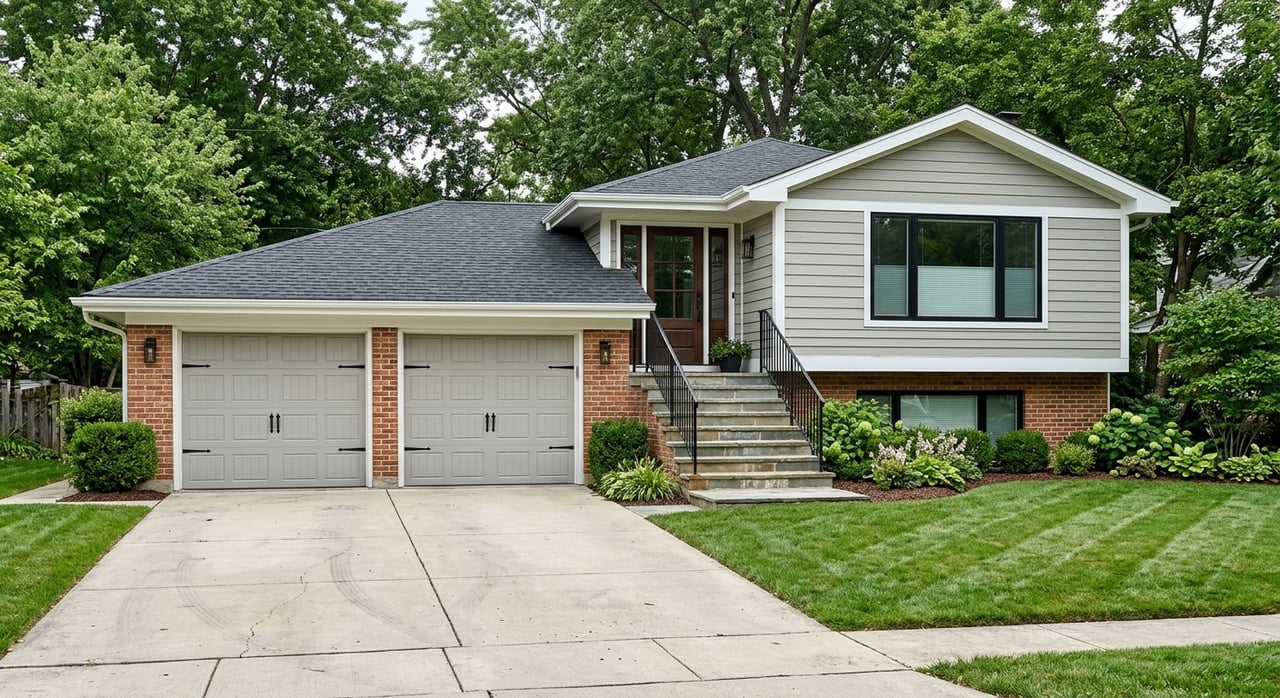
- Match property type and vintage when possible. Scotch Plains has a mix of early 20th-century colonials, mid-century ranches, split-levels, and newer infill homes. Keep comparisons within the same style and era when feasible.
- Stay within the same micro-neighborhood and, where possible, the same school attendance area. Small location shifts can change demand and pricing.
- Consider commuter convenience. Access to bus routes, station parking, and major roads can influence buyer willingness to pay.
Common adjustments appraisers make
Appraisers adjust sale prices for:
- Differences in square footage, bedrooms, and bathrooms
- Finished basement or attic space
- Garage count and parking
- Lot size and usability
- Condition and quality of finishes
- Time adjustments when the market is moving up or down
Adjustments are based on market evidence rather than rule-of-thumb numbers. The goal is to show what buyers actually paid for specific features in your area.
When comps are scarce
If recent local sales are limited, the appraiser may expand the radius or time window and explain why those comps are still reasonable. For unusual properties, other valuation approaches can provide context, but closed sales usually carry the most weight in suburban residential appraisals.
Preparing for the appraisal
A little preparation can help the appraiser understand the home’s true market position.
Seller checklist
- Create a one-page feature sheet: updates, dates, and highlights a buyer would value.
- Gather documentation: permits, contractor invoices, warranties, and utility or maintenance records for major systems.
- Provide a short list of recent nearby sales that support your price point. Your agent can help compile MLS-based comps.
- Make the home easy to inspect: clear access to the attic, basement, garage, utilities, and exterior.
- Keep the home tidy and well lit. Presentation helps appraisers accurately assess condition.
Buyer checklist
- Confirm the contract facts your lender will share: price, concessions, financing terms, and any seller-paid items.
- Ask the listing agent for renovation documents or permits that may not have been included in the listing package.
- Be ready to clarify any unique features, like a legal in-law suite or a finished basement with egress, and offer proof of permits.
If the appraisal is at or above contract
When the appraised value meets or exceeds your contract price, your lender can usually proceed with underwriting. You and the seller move toward closing per your agreement.
If the appraisal comes in low
A value below contract can feel stressful, but you have options. Keep the conversation focused on objective evidence and your contract terms.
- Renegotiate the purchase price or split the difference with the seller.
- Bring additional cash to cover the appraisal gap if your lender approves.
- Request a reconsideration of value. Your agent can compile a packet of stronger comps and factual corrections for the lender’s appraisal review team.
- Ask your lender if a second appraisal or desk review is possible. Policies vary and may involve additional cost.
- If your contract includes an appraisal contingency, you may have the option to cancel.
How to submit a strong reconsideration of value
- Focus on factual errors: incorrect square footage, bedroom or bath count, lot size, property age, or missed recent local sales.
- Provide clear documentation: MLS sold sheets, Union County records, building permits, and photos of condition or upgrades.
- Avoid opinions without evidence. The lender and appraiser need verifiable data to adjust a valuation.
Special loan types and property items
If you use an FHA or VA loan, the appraiser also checks for basic property standards and safety. Items like peeling paint on older homes, missing handrails, or nonfunctional systems can be called out and may need repairs before closing. Plan ahead with your agent and lender so small fixes do not delay the process.
Local records to verify in Scotch Plains
Having the right records at your fingertips makes the appraisal smoother.
- Union County property and tax records for lot size, deed details, and sale history
- Scotch Plains Building Department for permit history and certificates of occupancy
- Scotch Plains Tax Assessor for assessed value and property cards
- Scotch Plains Planning and Zoning for zoning classification and permitted uses
- New Jersey Division of Consumer Affairs for information on appraiser licensing
Practical timelines and cost reminders
- Expect scheduling within a few days to two weeks after order, depending on availability.
- Many reports are delivered 2 to 7 business days after the site visit, though unique homes can take longer.
- Fees vary by property and market complexity. Ask your lender for a current estimate based on the home you are buying or selling.
Key takeaways for Scotch Plains buyers and sellers
- Lenders order appraisals to confirm value. Your role is to provide accurate facts and helpful documents.
- In Scotch Plains, hyper-local comps matter. Street-by-street differences, commute access, and documented renovations all influence value.
- If the number is lower than expected, stay calm and data-driven. Use a reconsideration of value with strong comps and verified records, or negotiate terms that still get you to the finish line.
Ready to move forward with clear, local guidance? For thoughtful support from contract to closing, connect with Jayne Bernstein to request your home valuation and a tailored plan for your goals.
FAQs
Who orders the appraisal for a Scotch Plains home purchase?
- Your lender orders the appraisal, often through an appraisal management company, and you typically pay the fee as part of closing costs.
How long does a NJ home appraisal take from start to finish?
- Scheduling usually happens within a few days to two weeks after ordering, and many reports are delivered 2 to 7 business days after the site visit.
What if my Scotch Plains appraisal is lower than the contract price?
- You can renegotiate the price, bring extra cash, request a lender review with better comps, ask about a second appraisal, or cancel if your contract allows.
Will cosmetic updates increase my appraised value?
- Minor cosmetic fixes have limited impact; permitted, well-documented renovations that improve functionality, like kitchens, baths, or added living space, are more likely to influence value.
Do tax assessments match market value in Union County?
- No. Assessments are used for local taxation and often lag the market; appraisers rely on recent comparable sales to estimate current market value.