Pricing your Westfield home is your first impression to the market. In a town where buyers act quickly and the best homes often attract multiple offers, guessing high can cost you time and money. You want a clear plan that balances speed with strong net proceeds. In this guide, you’ll learn how Westfield’s market behaves today, how a comparative market analysis (CMA) sets the right list price, which updates move the needle, when to list, and what to bring to a valuation meeting. Let’s dive in.
Westfield market snapshot
Recent vendor snapshots place Westfield single-family values around the upper six to low seven figures. Zillow’s typical home value is about $1,208,422 as of December 31, 2025. Redfin’s January 2026 metrics show a sale-to-list price of about 106.2% and a median 16 days on market, which signals frequent competition. Vendor methods differ, so your agent will rely on MLS comps for the most accurate, up-to-date picture.
Property taxes matter for buyer budgets. The Town of Westfield publishes example assessments and an estimated 2025 rate, with a sample assessment of about $820,900 and an estimated rate of 2.291 per $100 to illustrate how bills are calculated. The town also cautions that “estimated” quarter bills should not be multiplied by four to predict the annual change. Review the town’s guidance and call the assessor or tax collector for property-specific numbers through the town’s page on 2025 third-quarter taxes.
Independent data services may show different “effective rates” because they use different baselines. For example, Ownwell presents a median effective rate and median bill estimate for Westfield in the mid-$15k range. If you want to understand those methodology differences, you can view Ownwell’s Westfield trends alongside the town’s official resources.
Location and commute access also shape demand. The NJ Transit Raritan Valley Line serves the Westfield station, and proximity to the train and downtown amenities is a common value driver. You can review schedule and station details via NJ Transit’s Westfield Station.
What this means for you: pricing correctly on day one is essential. In competitive segments, well-priced, well-presented homes can earn multiple offers. Overpricing leads to stale days on market and weaker negotiating power.
How agents set your price
A strong CMA produces a defensible price range by reconciling recent sales with current listings and pendings. Here is the practical workflow your agent will follow.
Pick true comparables
- Time window: start with sales from the past 3 to 6 months. Expand only if inventory is thin, and adjust for market movement when using older comps. Appraisal standards support this sequence and timing approach, as outlined in The Appraisal of Real Estate.
- Geography: prioritize the same micro-neighborhood when possible. Westfield has recognizable pockets, including Downtown and Kimball Ave corridors, Wychwood Manor, The Gardens, Stoneleigh Park, and the Tamaques area. Staying within the same side of the train line, school zone, or immediate blocks leads to better comparability.
- Physical features: match bed and bath count, gross living area, lot size, garage spaces, finished basement, additions, and outdoor features. Use several recent sales, then add a few actives, pendings, and relevant withdrawn or expired listings for context.
Make clear adjustments
Agents typically normalize to price per square foot and then adjust in plain dollars for differences buyers value locally. For example, if a comp has one more bathroom, the agent subtracts the market-supported value of that feature from the comp’s price to align with your home. Appraisal guidance recommends adjusting for market timing before physical features, which you can see referenced in The Appraisal of Real Estate.
Weigh actives, pendings, and expireds
Sold comps carry the most weight. Pendings help you understand what buyers are willing to pay right now. Actives show current seller expectations, and expired or withdrawn listings highlight price points that missed the mark. Your agent will reconcile these signals into a clear range and strategy.
Choose a pricing strategy
Expect three options:
- Aggressive: list slightly under market to drive traffic and potential bids.
- Market: list near the supported midpoint for wide exposure and a timely sale.
- Aspirational: ask above market with the risk of slower activity and later reductions.
NAR and REBI training emphasize the first 10 to 14 days as critical. Listings that linger often sell for less than a well-priced home would have. For a deeper dive on this framework, see the Seller Representative Specialist workbook.
What moves price locally
Micro-neighborhood premiums
In Westfield, proximity to the train and downtown amenities often commands a premium. Buyers also respond to block-by-block appeal, lot size, and streetscapes. Premium pockets like Wychwood Manor and The Gardens are known for larger lots and character homes, which can influence value when paired with updated interiors and strong curb appeal.
Condition and quick wins
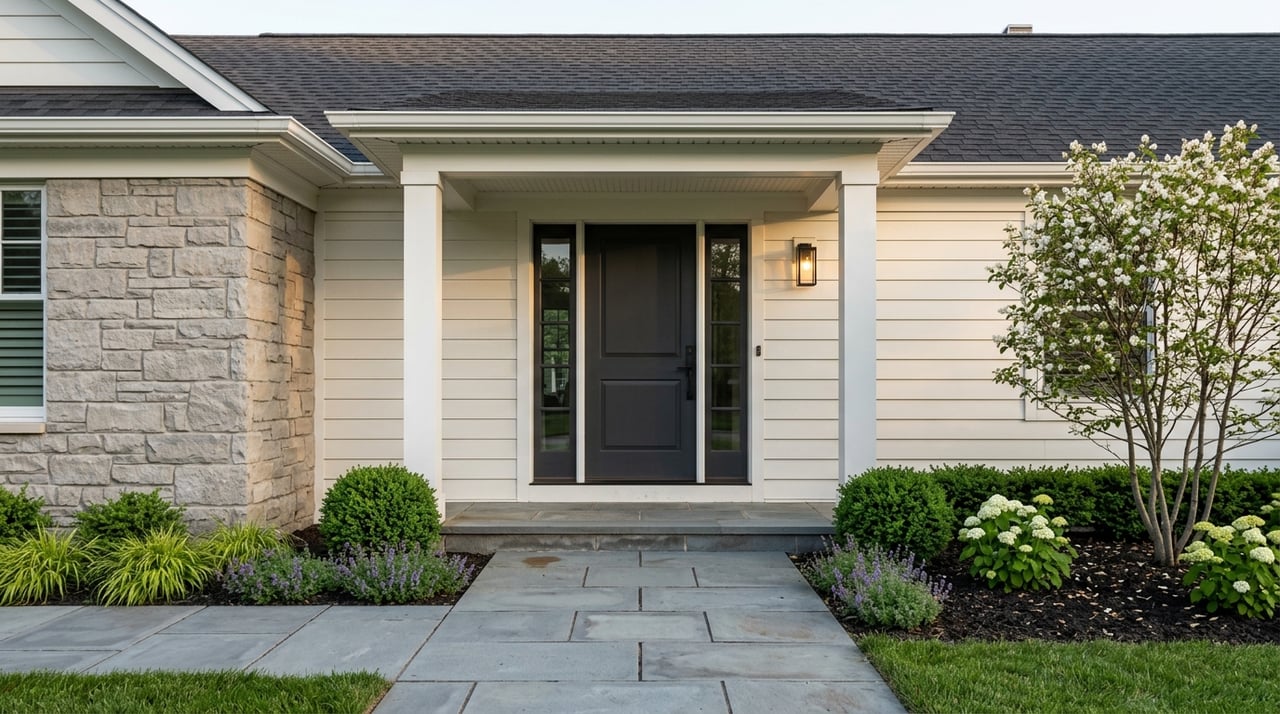
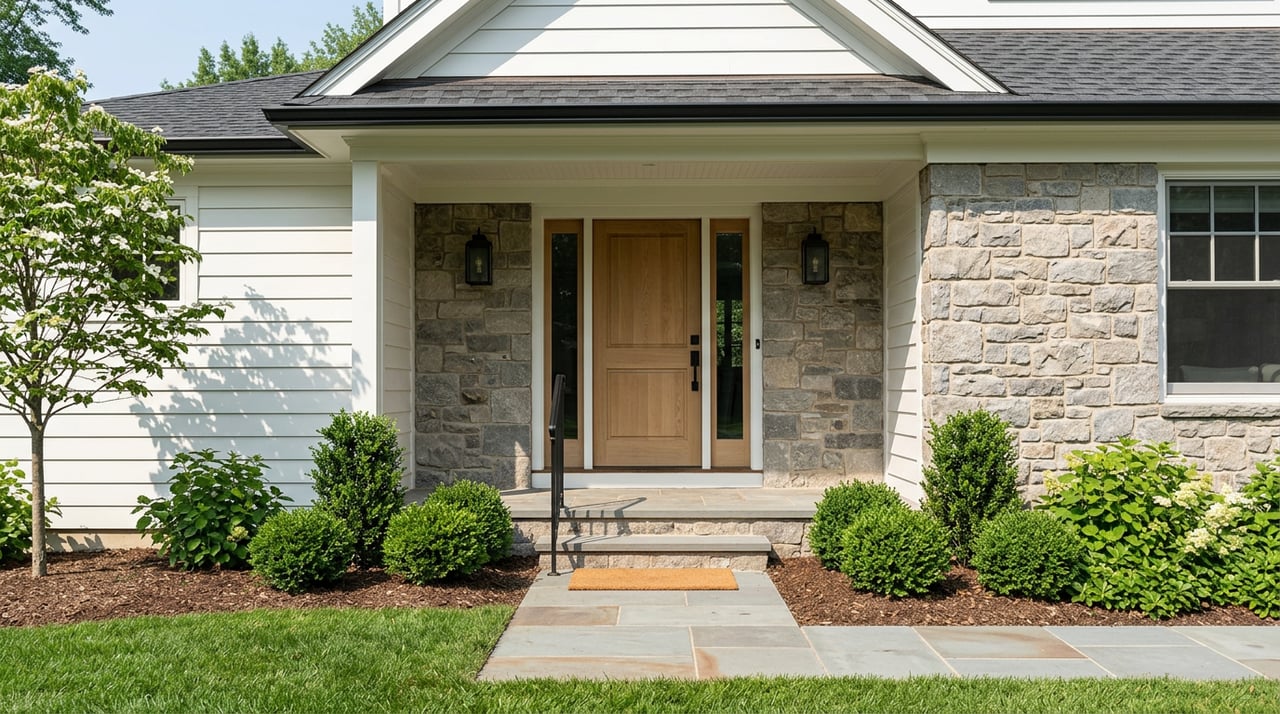
Small, well-chosen updates can deliver outsized returns. According to industry research highlighted in the 2025 Remodeling Impact Report, projects such as fresh neutral paint, deep cleaning, decluttering, flooring refresh, cabinet refacing, and curb-appeal improvements often generate strong buyer interest. New front or garage doors, simple landscaping, and targeted staging can help your home show its best without over-improving beyond the neighborhood ceiling. If you plan to hire help, use vetted professionals and review the NAR consumer guide to hiring a contractor.
Consider a pre-listing inspection
A seller-side inspection can surface correctable issues before showings. You can decide whether to repair, credit the buyer, or disclose and price accordingly. Addressing obvious safety or system concerns early often reduces late-stage renegotiation risk.
Timing and tactics
Seasonality in Westfield
National studies show spring, especially April through May, as a strong window for higher sale prices and faster timelines. Local MLS patterns may vary by segment, but Westfield’s recent speed metrics support the idea that spring listings enjoy strong buyer attention. Plan to start prep 4 to 8 weeks before your target launch week so photography, minor updates, and staging are complete.
Pricing tactics that work
- Price to the market: recommended for most homes. Capture interest in the first 10 to 14 days when buyers are most active.
- Under-pricing: can spark multiple offers if supply is tight and the buyer pool is broad, but it carries a risk if bidding does not materialize.
- Over-pricing: usually backfires. Homes that linger often need reductions and can net less than a correctly priced listing. See strategic guidance in the Seller Representative Specialist workbook.
Prepare for your valuation meeting
Bring these items so your agent can price with precision and reduce surprises later:
- Recent property tax bills and your block/lot or APN. For calculation examples and town guidance, see Westfield’s page on 2025 third-quarter taxes.
- Records of major improvements with contractor invoices, permits, and any certificates of occupancy. Include roof, HVAC, electrical, plumbing, additions, and kitchen or bath work.
- Warranty documents and service histories for systems and appliances.
- Survey or plot plan if available, plus HOA or condo documents if applicable.
- Any rental or tenant leases.
- Keys, remotes, alarm codes, and showing instructions to streamline access.
- Completed Seller’s Property Condition Disclosure. New Jersey requires added flood history disclosures as of March 20, 2024. Confirm you are using the current state form via NJ Realtors’ flood disclosure guidance.
Questions to ask at the appointment:
- Which specific sold comps will you use, and why? Can I see the MLS details and photos for each?
- What is your recommended list price and the supporting adjustment grid? Can I see a conservative and an aggressive scenario?
- How many similar homes are active, pending, and recently expired in my price band right now? Which bands are drawing offers?
- What marketing, photography, and staging plan do you recommend, and what timeline should I expect from prep to launch?
Bringing it all together
Price is a strategy, not a guess. In Westfield’s fast-moving market, the right list price, thoughtful prep, and a strong first two weeks can make all the difference in your final outcome. If you want a custom CMA, a prep plan tailored to your home, and clear next steps, connect with Jayne Bernstein for thoughtful, locally grounded guidance.
FAQs
What is the current average home price in Westfield, NJ?
- Several vendors place typical single-family values around the low $1 million range, with Zillow citing about $1.21M as of December 31, 2025; verify exact pricing for your home with recent MLS comps.
How fast are Westfield homes selling right now?
- Recent Redfin metrics show a median 16 days on market and about 106.2% sale-to-list in January 2026, which points to frequent competition in many segments.
When is the best time to list a home in Westfield?
- Spring, especially April through May, often brings stronger prices and faster sales, so aim to complete prep 4 to 8 weeks before your target launch date.
What updates deliver the best return before listing?
- Focus on paint, deep cleaning, flooring refresh, minor kitchen updates like cabinet refacing, curb appeal, and targeted staging, which research shows are cost-effective attraction drivers.
How do property taxes factor into my Westfield pricing strategy?
- Taxes affect buyer affordability, so your agent will reference your actual bill and assessment; use the town’s guidance for calculations and be cautious with third-party “effective rate” estimates that use different methods.
What is a CMA and how is it different from an appraisal?
- A CMA is an agent’s market analysis that compares your home to recent sales, actives, and pendings to set a list price range, while an appraisal is a lender-ordered valuation using formal standards for underwriting.