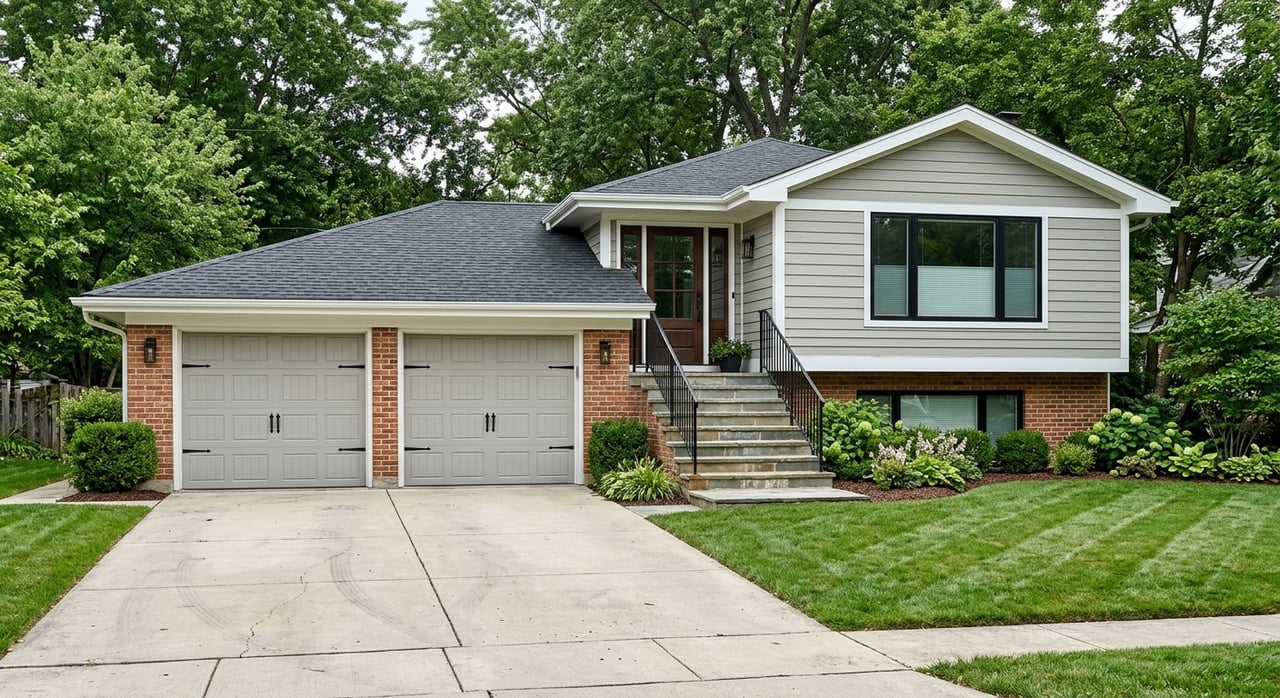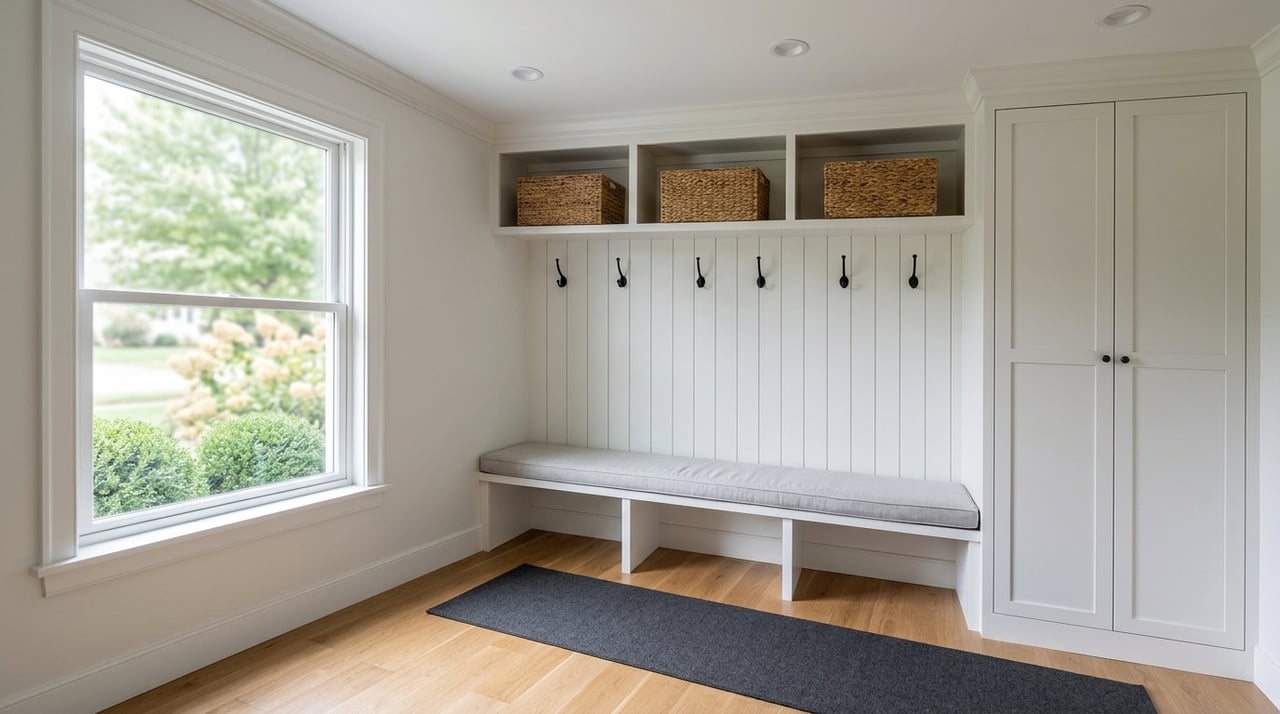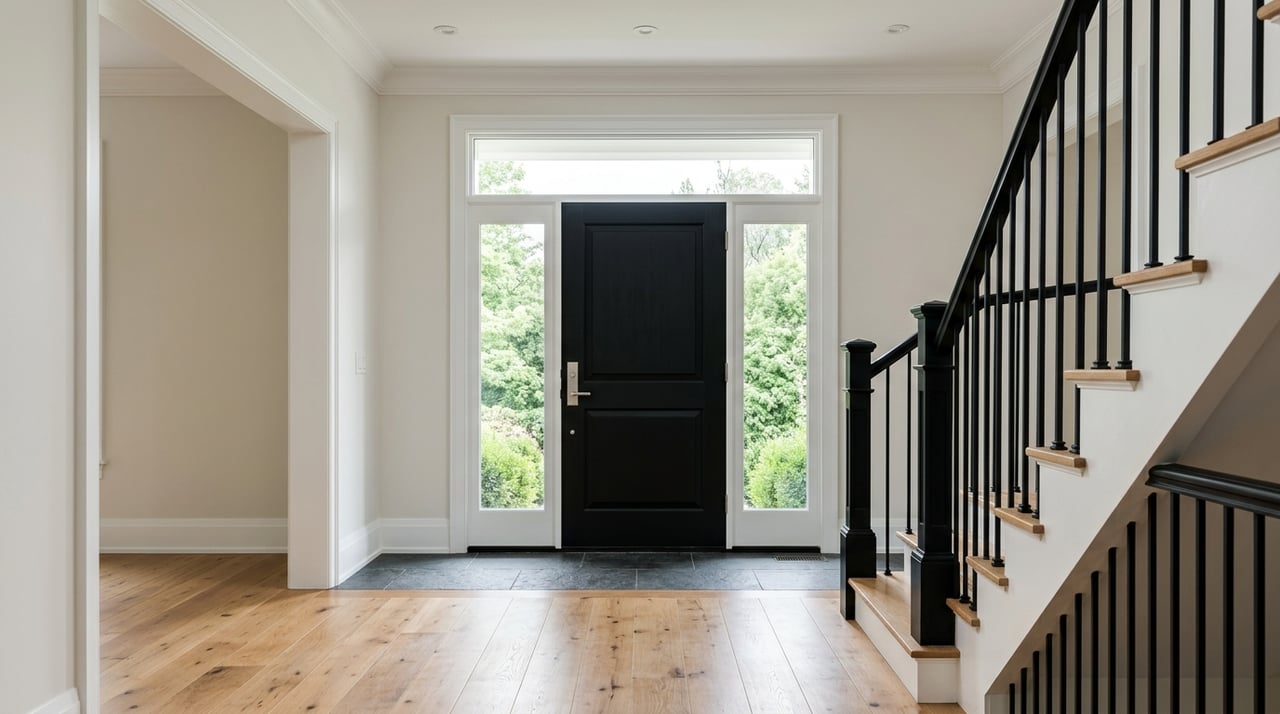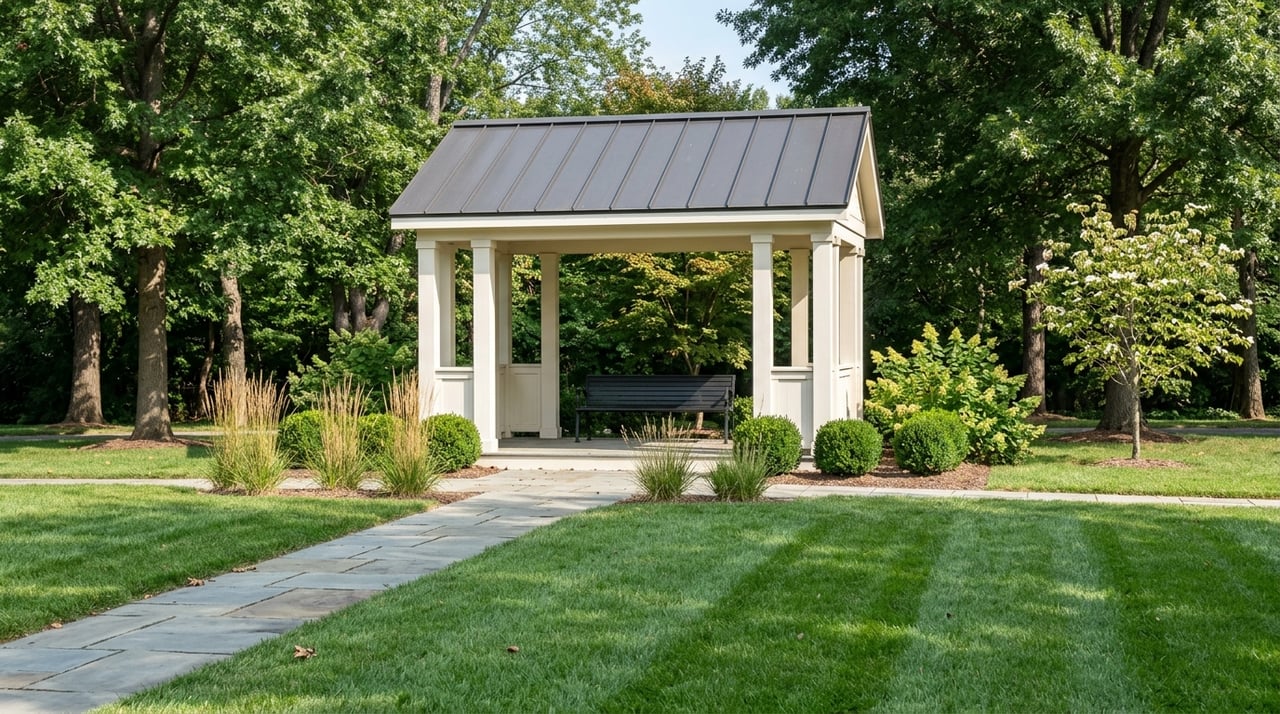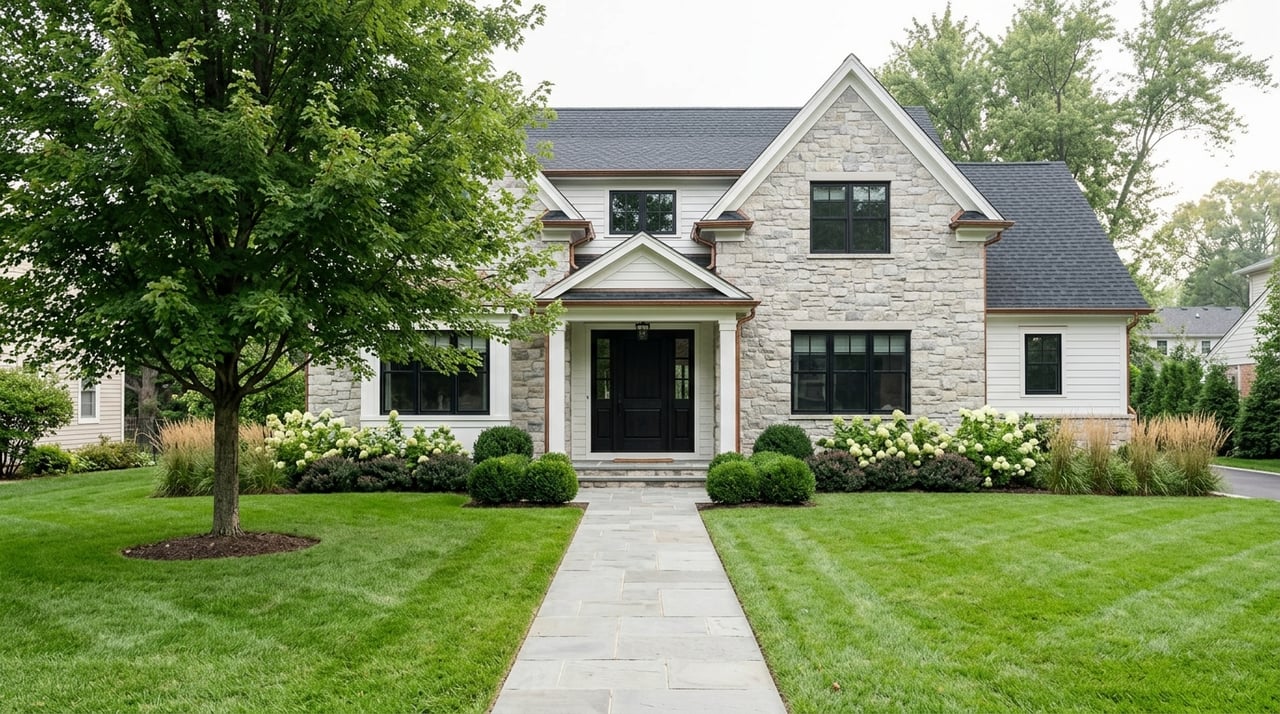
Thinking about trading your starter home for more space in Cranford? You are not alone. Many local homeowners are looking for an extra bedroom, a larger yard, or a more flexible layout. In this guide, you will see what move-up homes cost right now, how competitive the market feels, where Cranford stacks up against Westfield and Scotch Plains, and the smartest steps to take before you write an offer. Let’s dive in.
Cranford market snapshot in 2026
Cranford is a classic seller’s market with limited inventory and quick-moving listings. Public market snapshots show a median sale price around the mid to high $700,000s, with many 3 to 4 bedroom single-family homes trading between $700,000 and $900,000. Typical price per square foot averages near $291 on recent closed sales. Days on market commonly sits in the 20 to 30 day range, and sale-to-list ratios can hover at or a little above 100 percent for well-priced homes.
What explains the different numbers you may see online? Each platform measures the market differently. Some report recent closed-sale medians, others show listing medians, and some publish modeled typical values. Small towns like Cranford can swing month to month because of the low number of sales. If you want a deeper view, single-family snapshots from sources like PropertyFocus/ATTOM often show single-family medians in the mid $700,000s for early 2026, which lines up with recent solds you see locally. You can explore a high-level data view at the PropertyFocus Cranford trends page for context: Cranford market trends.
What this means for your search
- Expect limited choices at any given moment, with only a few dozen listings live across price points.
- Move-in ready 3 to 4 bedroom homes will draw attention quickly, especially near the town’s most convenient commuter corridors and parks.
- Pre-approval, a clear budget, and the ability to act fast are your competitive edge.
What move-up homes look like in Cranford
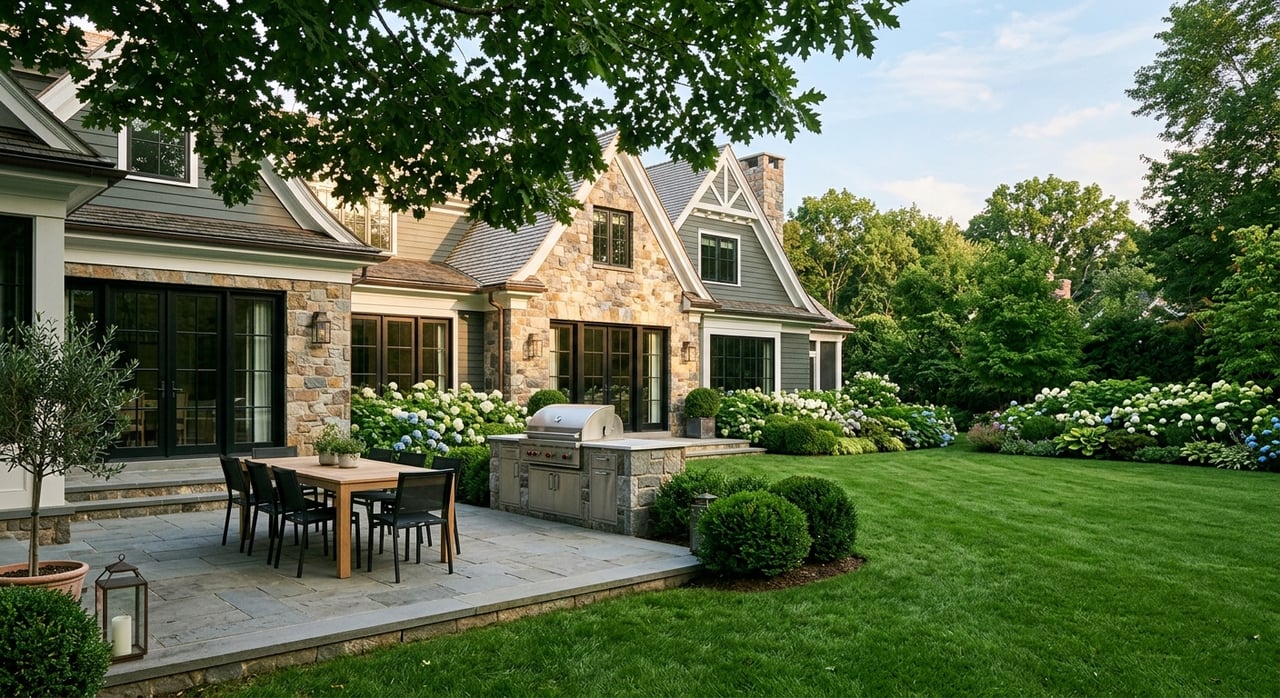
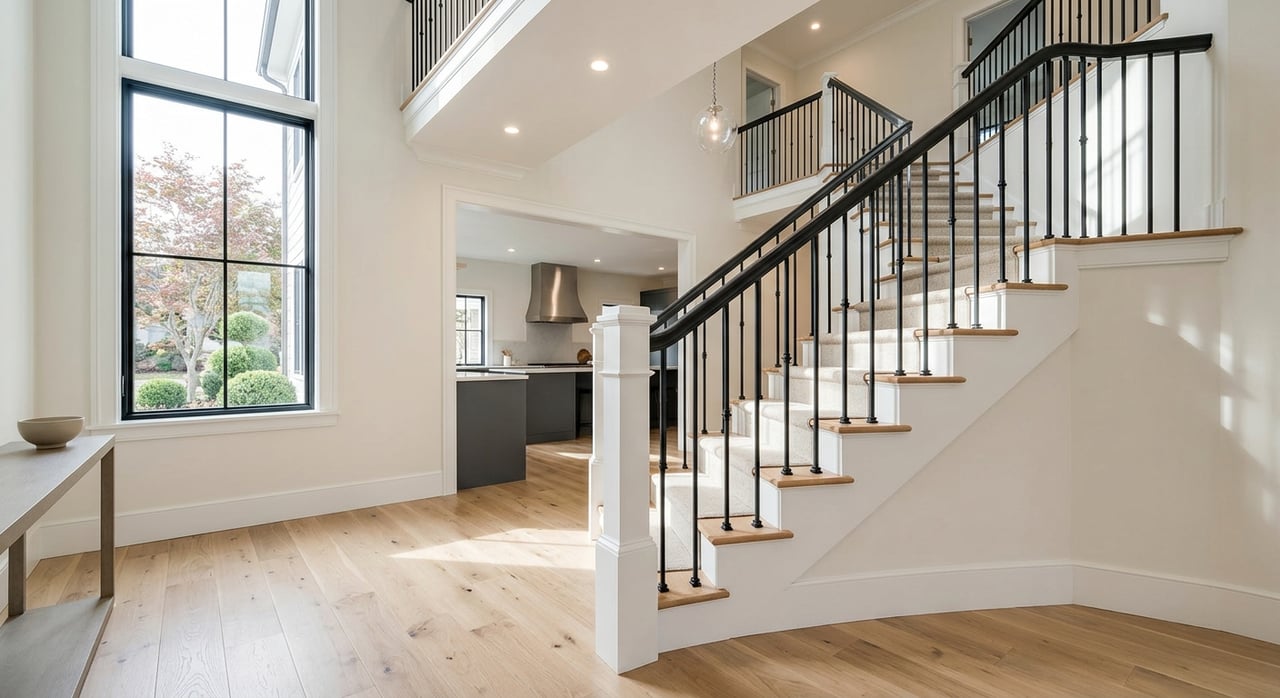
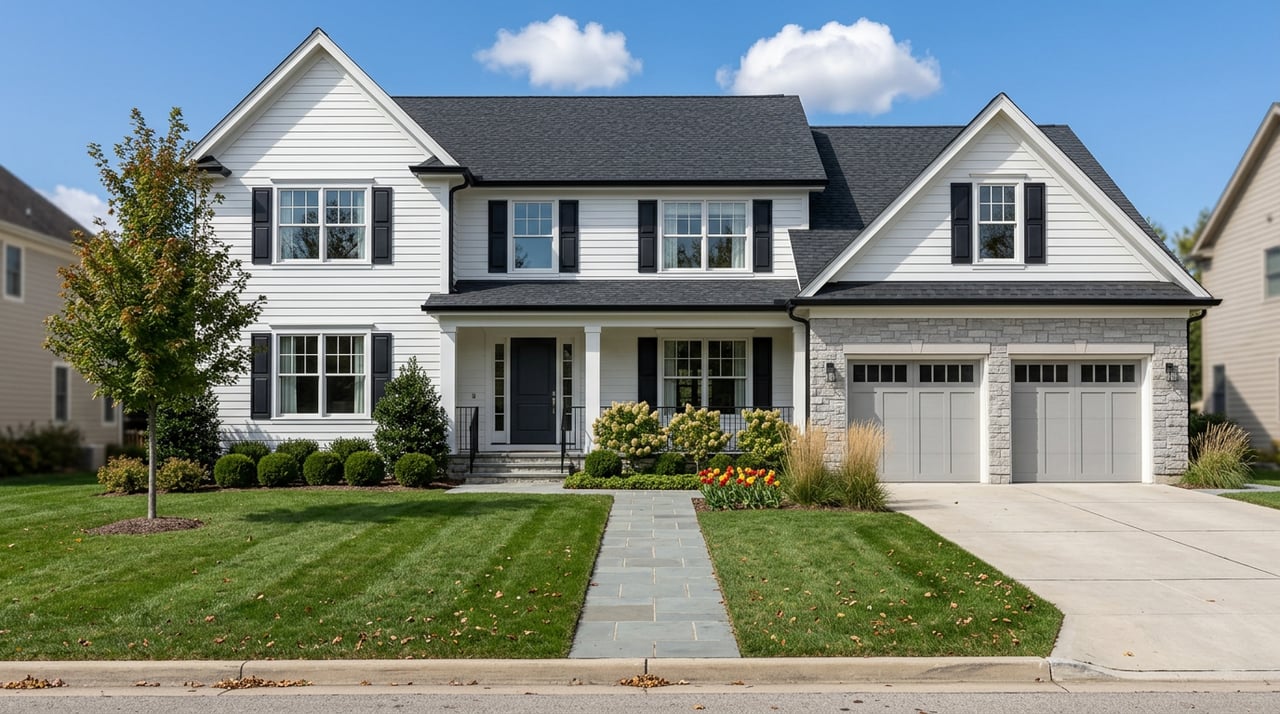
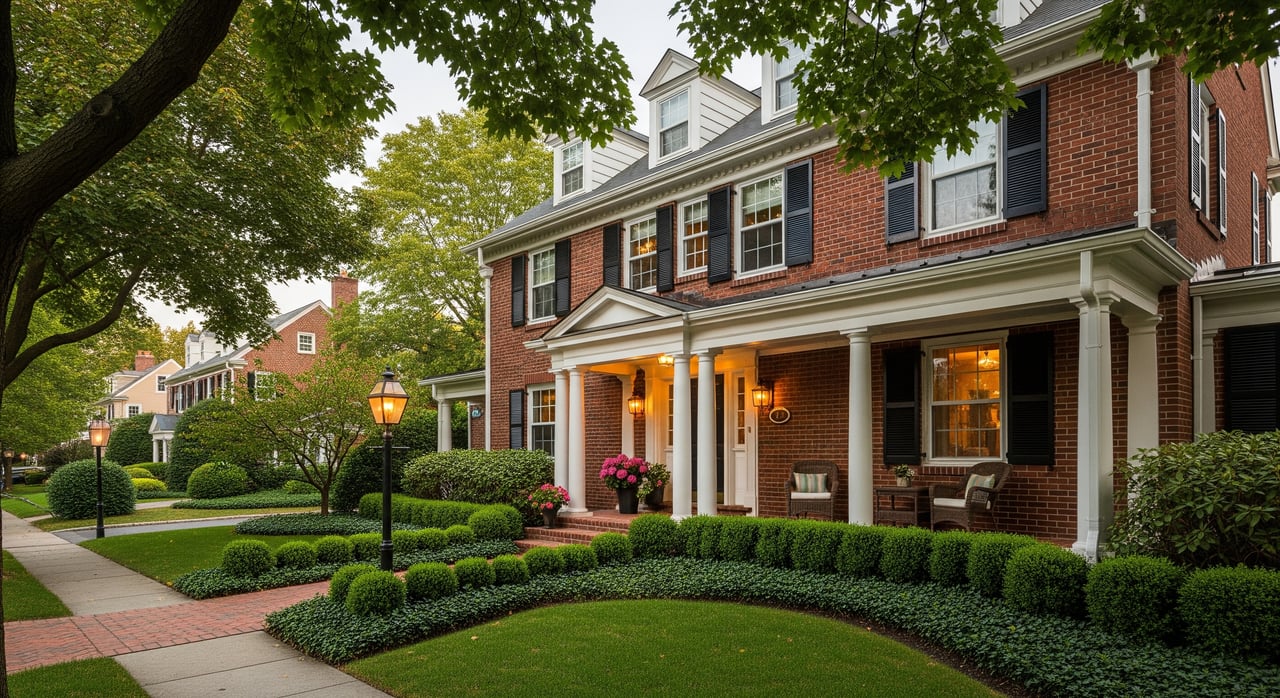
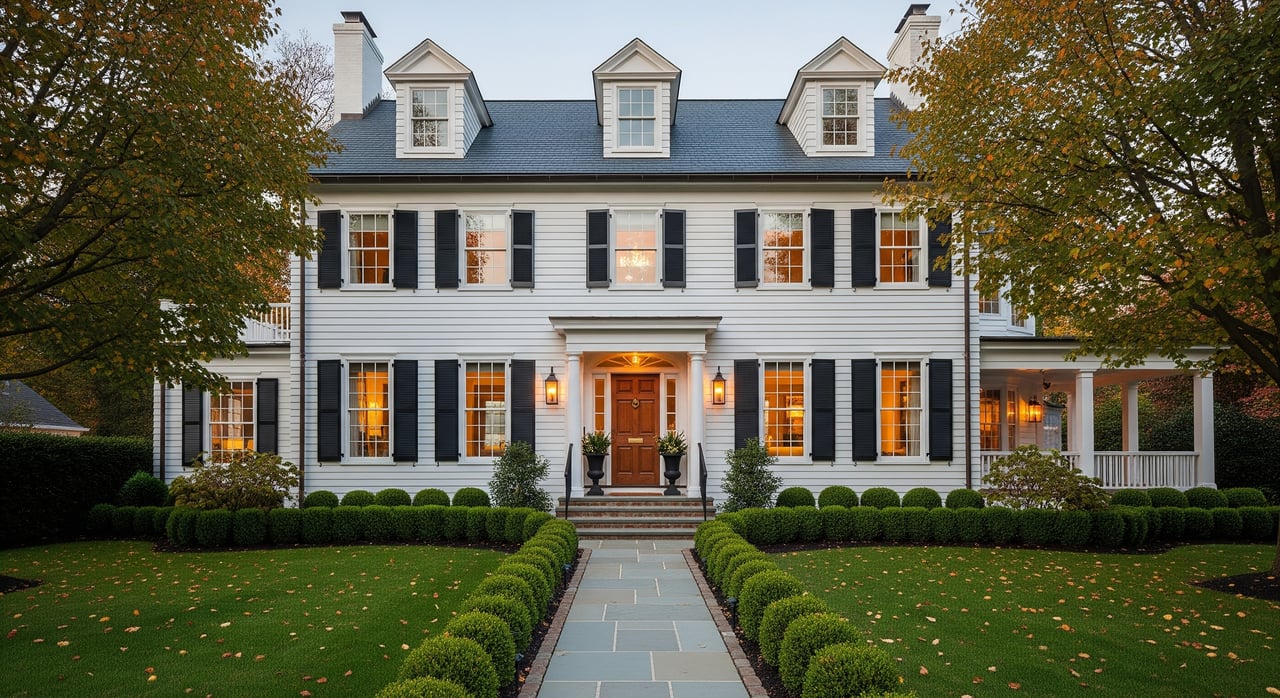
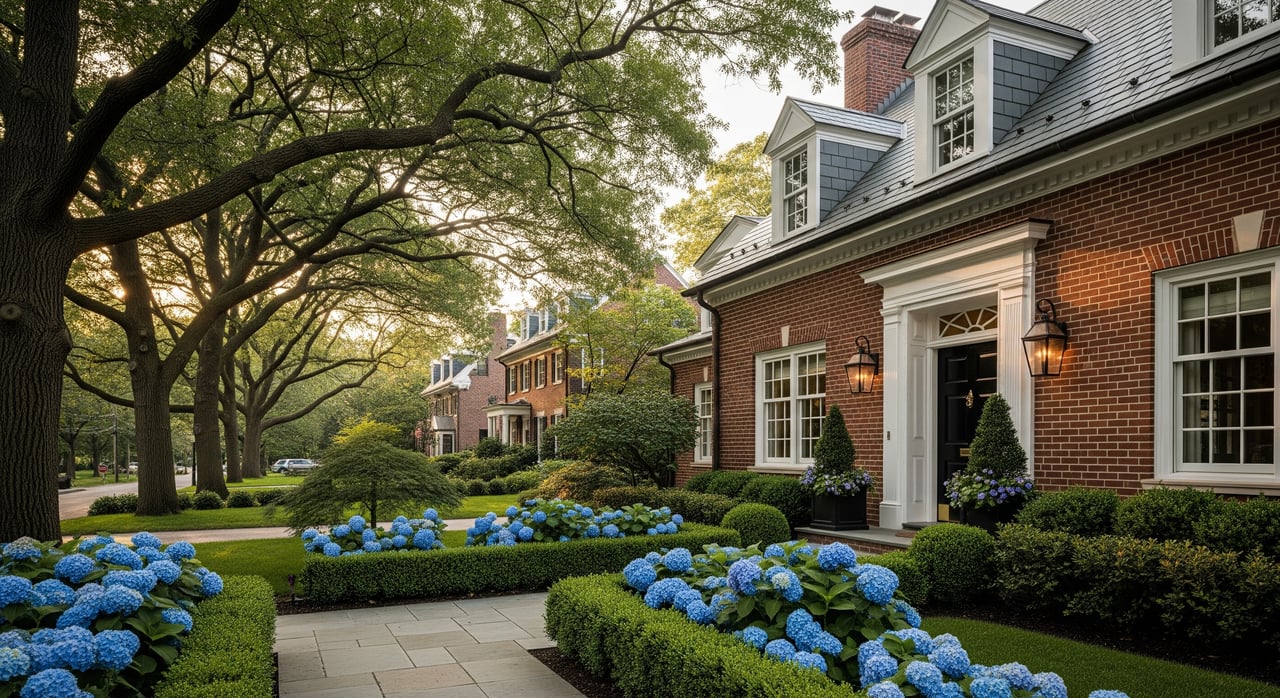
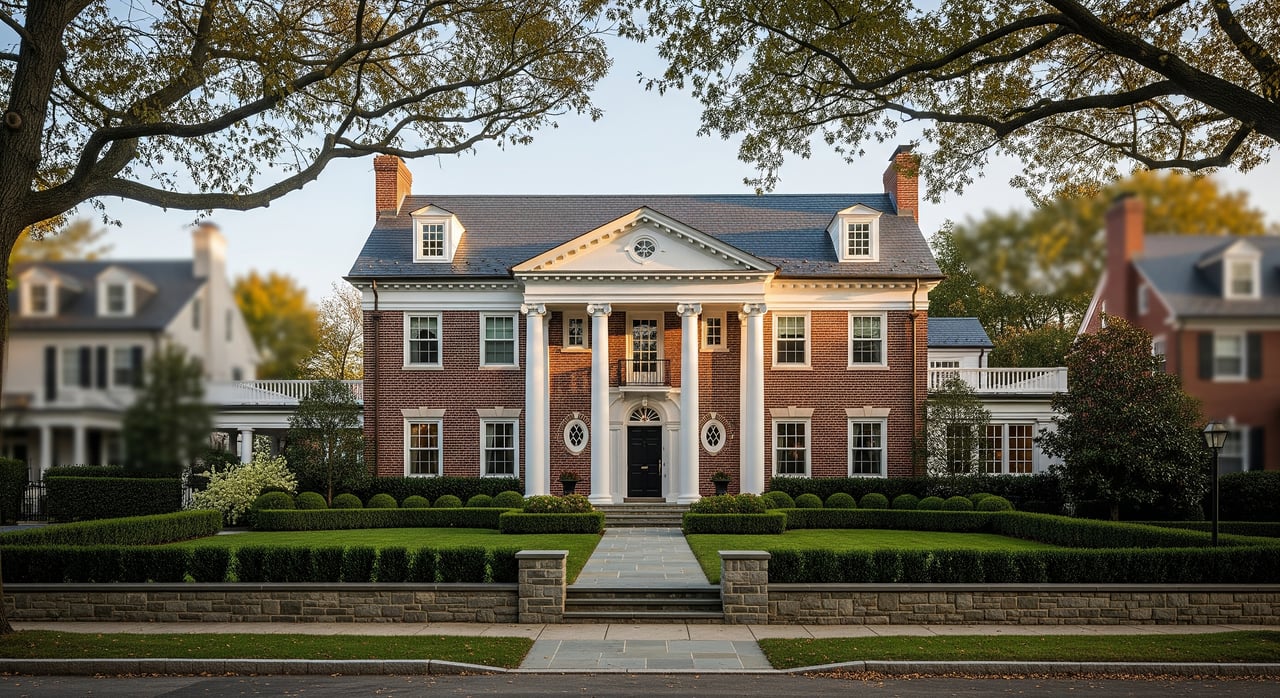
Most move-up buyers here aim for 3 to 4+ bedrooms and roughly 1,800 to 2,500+ square feet, often with a yard and garage. Based on recent closed examples and public medians, here is how pricing typically breaks down:
- Lower move-up tier: $600,000 to $750,000. Smaller 3 bedroom homes on modest lots. You may trade some updates or square footage for value.
- Mid move-up tier: $700,000 to $950,000. Many 3 to 4 bedroom homes around 1,800 to 2,200 square feet with meaningful updates and good layouts.
- Upper move-up tier: $950,000 to $1.4M+. Larger 4+ bedroom homes, renovated interiors, or larger lots that push price and price per square foot higher.
Recent public sold examples illustrate the range. You will often see 2,000 to 2,400 square foot homes close in the upper half of Cranford’s typical band. Given how fast the market moves, block-by-block pricing depends on condition, lot size, and recent comps. A fresh MLS review is essential before you bid.
Cranford vs. Westfield vs. Scotch Plains
If you are flexible on town lines, a quick comparison can sharpen your plan:
- Westfield: Considerably higher on price, with a median sale around $1.45M on recent public snapshots. Expect higher price per square foot and frequent bidding on well-located homes.
- Scotch Plains: Often sits between Cranford and Westfield. Many provider snapshots place medians in the low to mid $800,000s, sometimes edging above Cranford depending on sample and timing.
For many move-up buyers, Cranford offers a more affordable alternative to Westfield while staying close to commuter access and town amenities. If you want a bit more square footage and are open to a slightly higher budget, Scotch Plains can be a practical comparison.
Seasonality, timing, and how to compete
Spring typically brings a lift in listings and buyer activity across the region. National reporting has shown a spring pickup in existing-home sales, which you can see in the latest NAR update: existing-home sales rose in February. In a constrained local market like Cranford, that increase can still feel modest on the ground, so be ready to move when the right home appears.
Practical tips to strengthen your offer:
- Get fully underwritten pre-approval, not just pre-qualification.
- Tour early and schedule inspections quickly so your timeline looks strong.
- Write a clean offer with proof of funds, appropriate earnest money, and realistic closing dates.
- Plan for appraisal risk in competitive tiers by clarifying your cash reserves or using appraisal-gap language your attorney approves.
Financing and sequencing your move-up
Coordinating a sale and purchase takes a clear plan. Your best path depends on cash flow, comfort with risk, and timing.
- Sell first. You bank your proceeds, present the strongest purchase offer, and avoid carrying two mortgages. The tradeoff is temporary housing if you do not locate your next home right away.
- Buy first with short-term financing. Some buyers use a bridge loan or a HELOC to fund the next down payment, then pay it off after their sale closes. This can make a non-contingent offer possible, though it adds interest costs and underwriting requirements.
- Align timelines. Consider a rent-back or a longer closing on your sale so you can shop and close with less overlap.
Before you shop, review debt-to-income impacts, estimated monthly costs, and cash needed for potential appraisal gaps and inspections. A lender conversation upfront removes surprises later.
Key costs and risk checks
- Property taxes. New Jersey taxes are a meaningful part of your monthly cost. Local reporting highlights that Cranford’s homeowner tax burden is material, so verify the tax line item on every listing and in municipal records. For context, see this overview of a recent Cranford property tax discussion: Cranford property tax article.
- Flood and climate risk. Public aggregators flag a notable share of Cranford properties with some level of flood risk. Review property-level maps, ask your lender about flood-insurance requirements, and build any premiums into your budget.
- Renovation cushion. If you are open to homes that need updates, line up contractor walkthroughs early and price out near-term projects so you can bid with eyes wide open.
Commuting and daily convenience
Cranford’s NJ Transit station offers direct service along the Raritan Valley Line with connections to New York and Newark, which is a major plus for commuters. You can review station info and schedules here: Cranford Station on NJ Transit. Around town, you will find parks, local shops, and neighborhood amenities that keep demand steady for single-family homes.
A simple checklist for Cranford move-up buyers
- Get fully underwritten mortgage pre-approval and review how carrying two mortgages would affect your DTI if needed.
- Decide your sequence: sell first, or buy first using a bridge loan or HELOC. Price out costs for each.
- Ask your agent for weekly scans of 3 to 4 bedroom, 1,800 to 2,500+ square foot homes in Cranford and nearby towns, including new listings, pendings, and price changes.
- Verify property taxes, and check whether flood insurance is required before you write an offer.
- Prepare for fast decision windows. Line up your attorney, inspector, and contractors in advance.
How a local advisor helps
In a tight market, local experience matters. A seasoned agent can:
- Pull a fresh MLS comp set tailored to your target blocks and features.
- Flag new and upcoming listings quickly, including whisper or off-market opportunities when available.
- Shape a pricing and offer strategy that balances speed, risk, and value.
- Coordinate financing, inspections, and closing timelines so your transition is smooth.
If you are weighing Cranford against Westfield or Scotch Plains, you will benefit from an apples-to-apples breakdown of recent solds, tax differences, and commute tradeoffs. That clarity can save you time and help you secure the right home with confidence.
Ready to map your next move with calm, knowledgeable guidance? Reach out to Jayne Bernstein for a neighborhood-level game plan, updated comps, and a step-by-step path from list to close.
FAQs
What is the typical price for a larger single-family home in Cranford in 2026?
- Many move-up homes trade between $700,000 and $900,000, with townwide medians hovering in the mid to high $700,000s on recent public snapshots.
How competitive are 3 to 4 bedroom homes in Cranford right now?
- Inventory is limited, days on market often run 20 to 30 days, and well-priced homes can sell at or slightly above list, so expect multiple strong offers on standout properties.
How does Cranford compare with Westfield and Scotch Plains on price?
- Cranford is generally more affordable than Westfield, which often sits around $1.45M on recent medians, while Scotch Plains tends to land in the low to mid $800,000s.
When is the best season to shop for a bigger home in Cranford?
- Spring typically brings more new listings and active buyers, though in a tight market the boost can be modest, so be prepared to act whenever the right home appears.
What are smart financing options if I need to buy before I sell?
- Buyers often use a bridge loan or a HELOC for the next down payment, then pay it down after their sale closes, balancing added costs with stronger, non-contingent offers.
Should I budget for flood insurance in Cranford?
- Some properties carry flood risk; confirm zone status and lender requirements on each address and factor any premiums into your monthly budget and overall affordability.