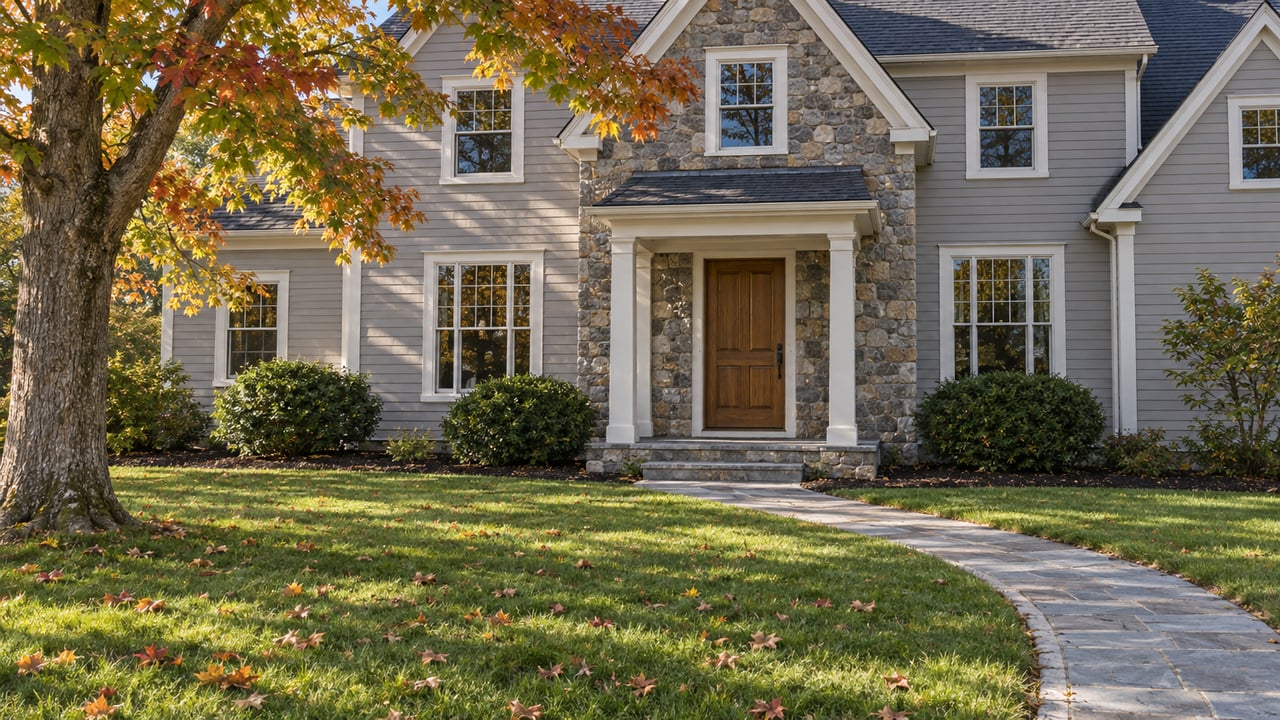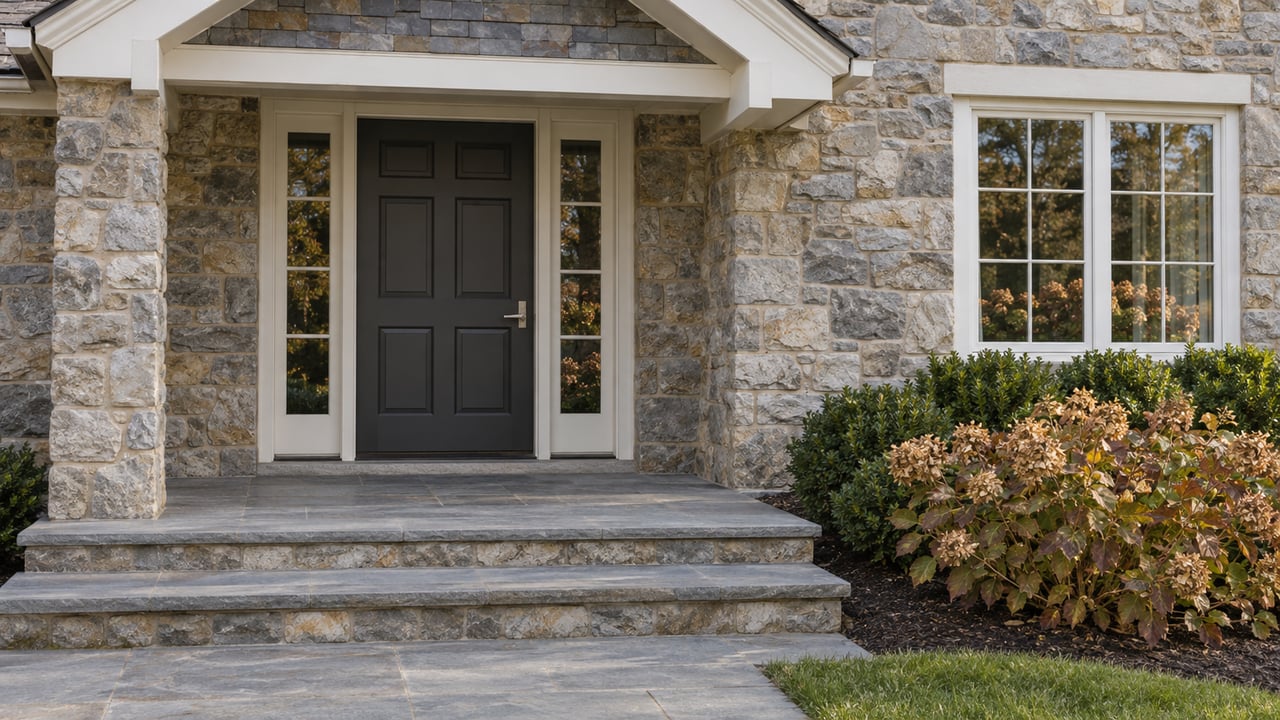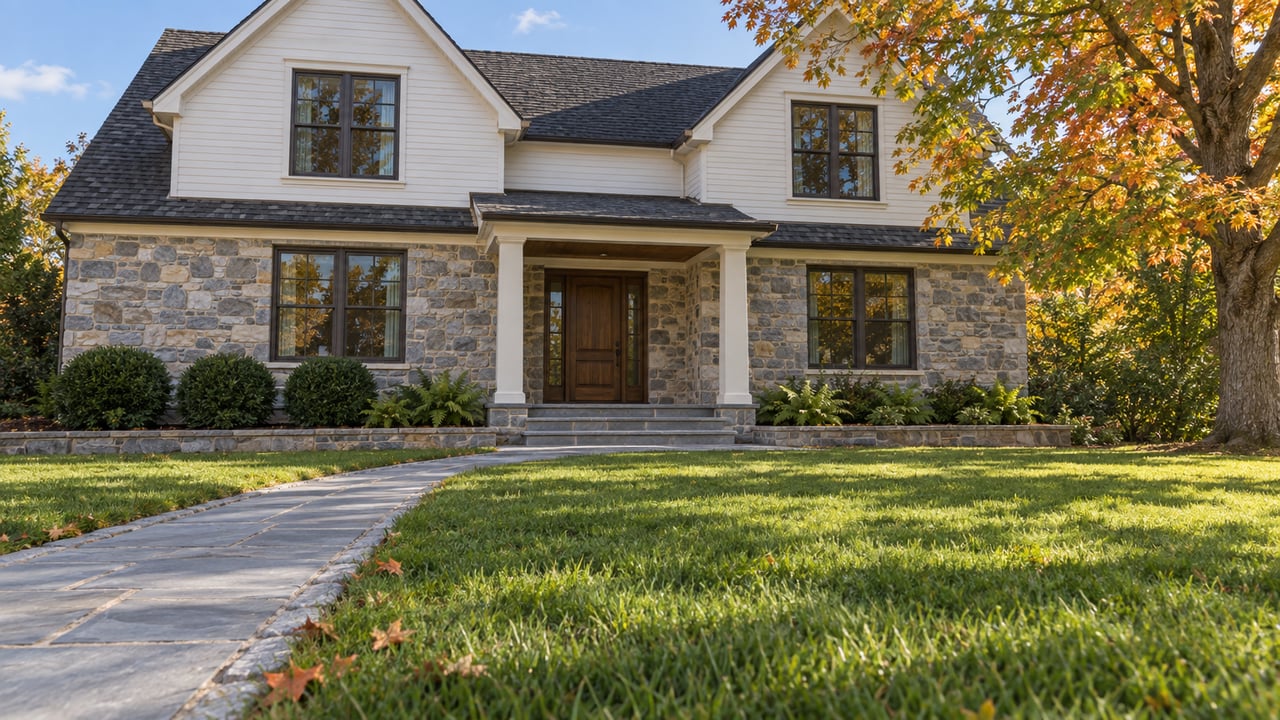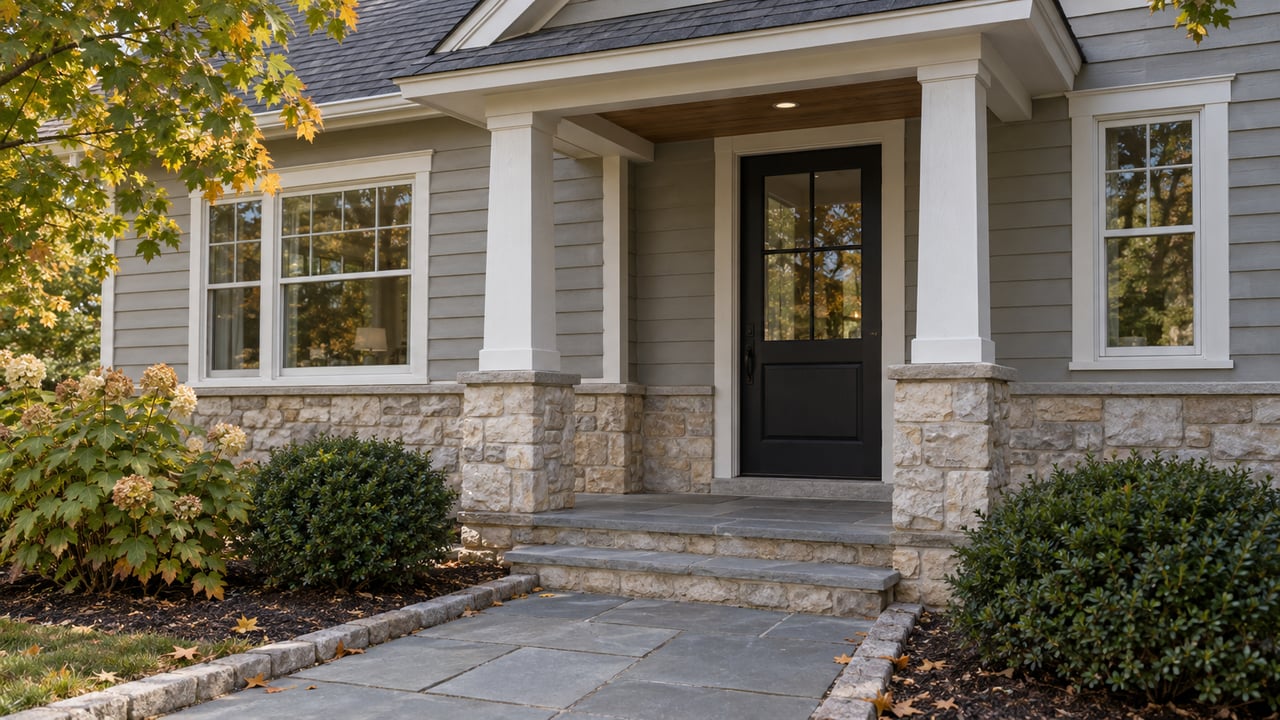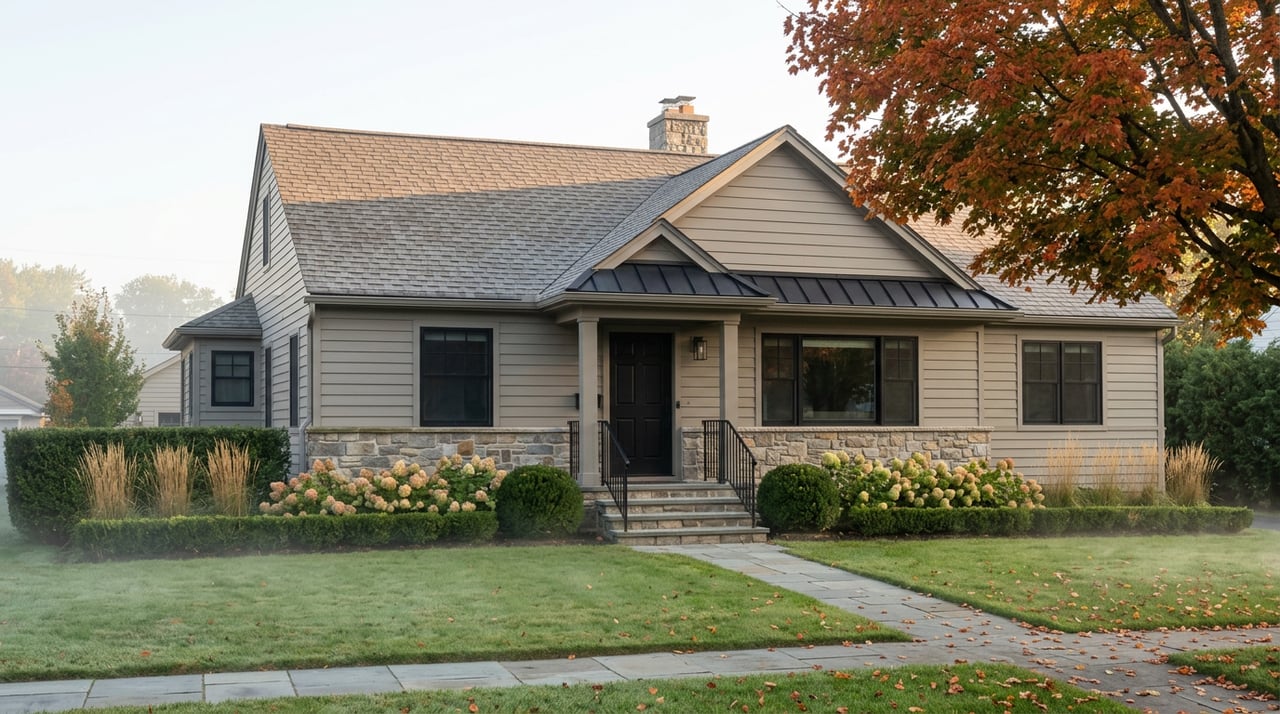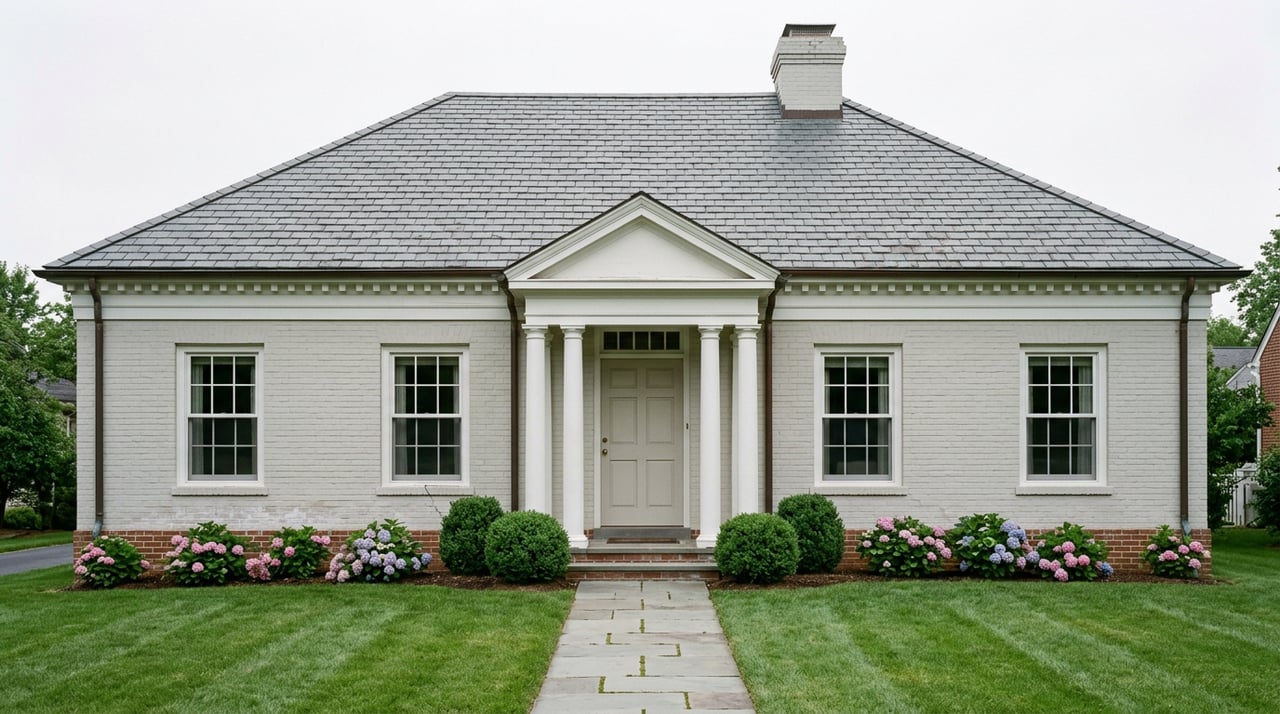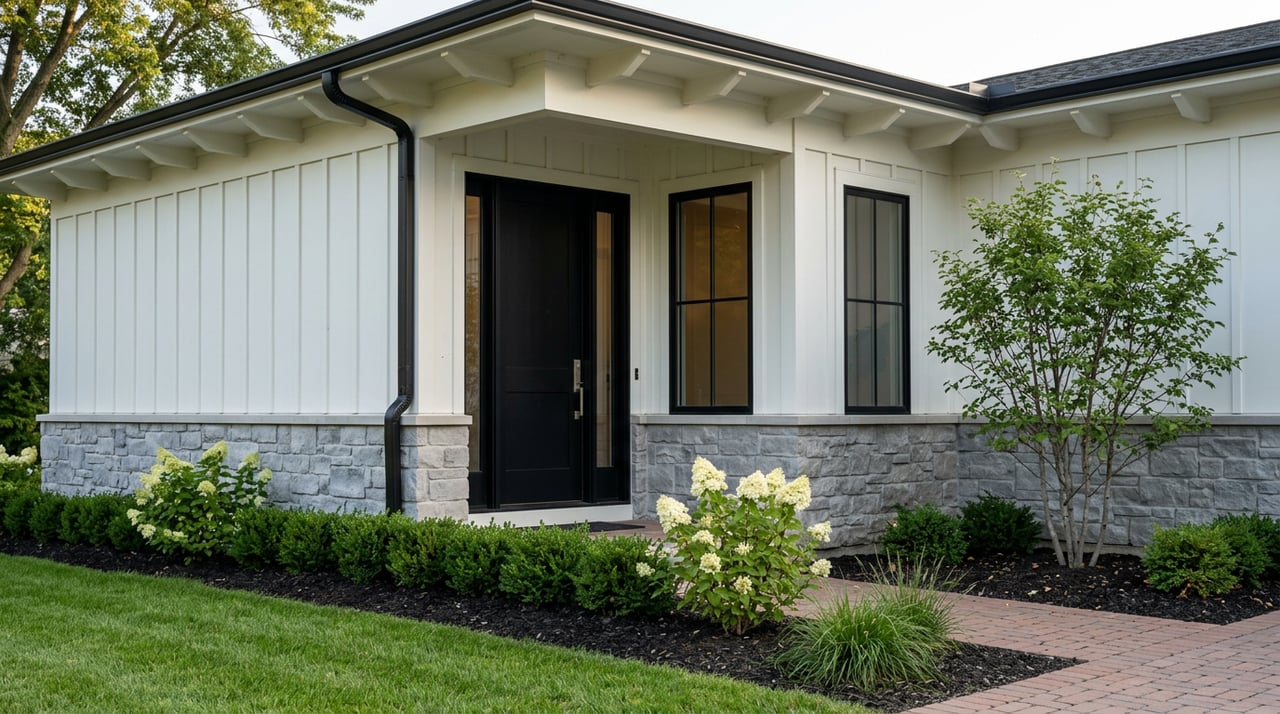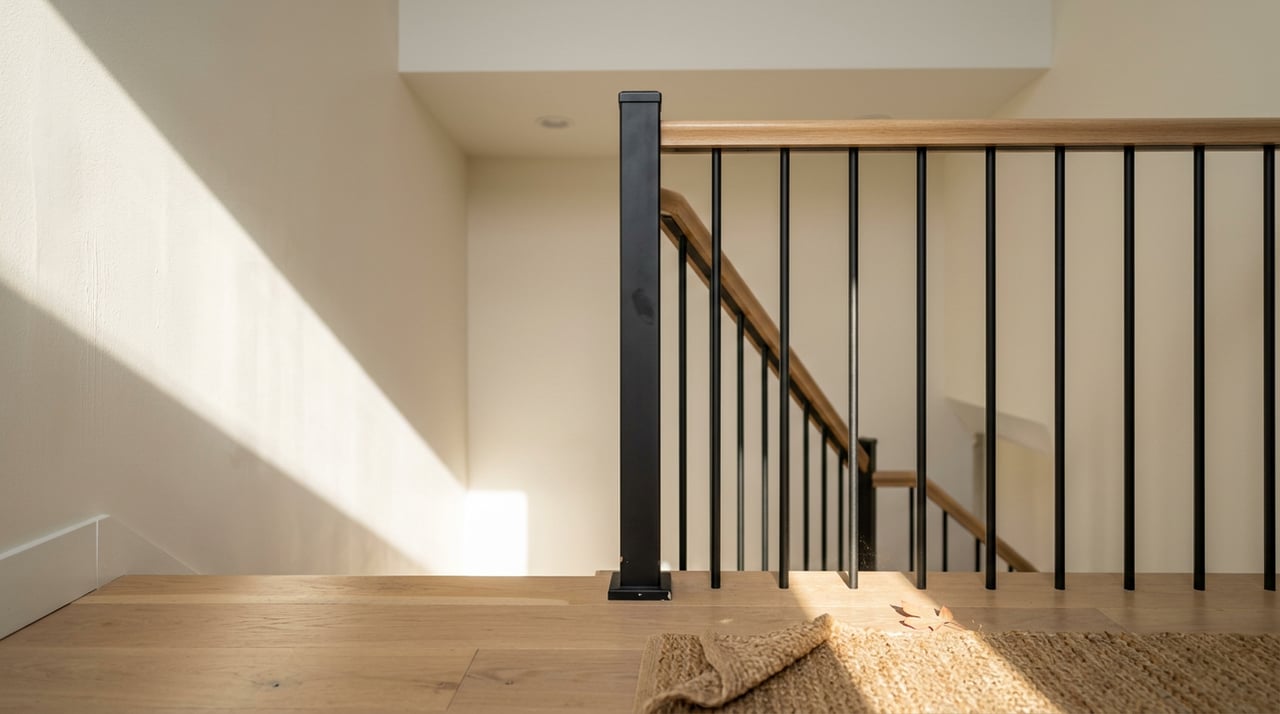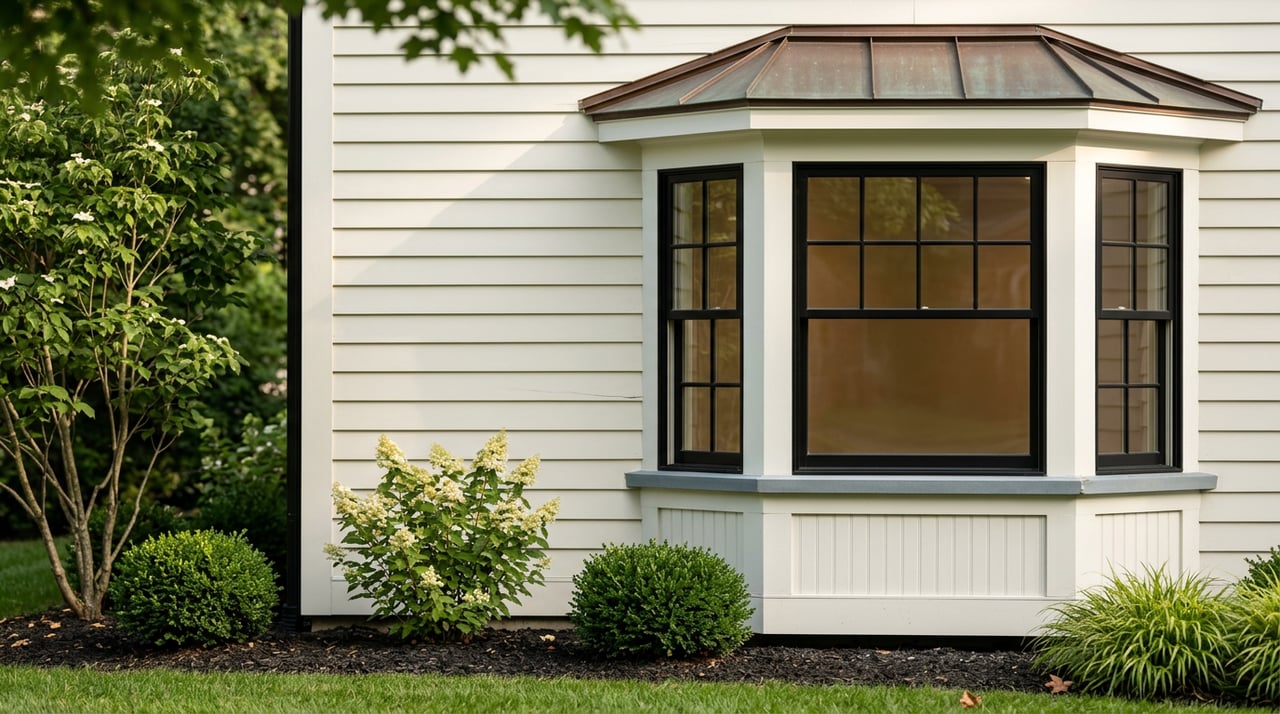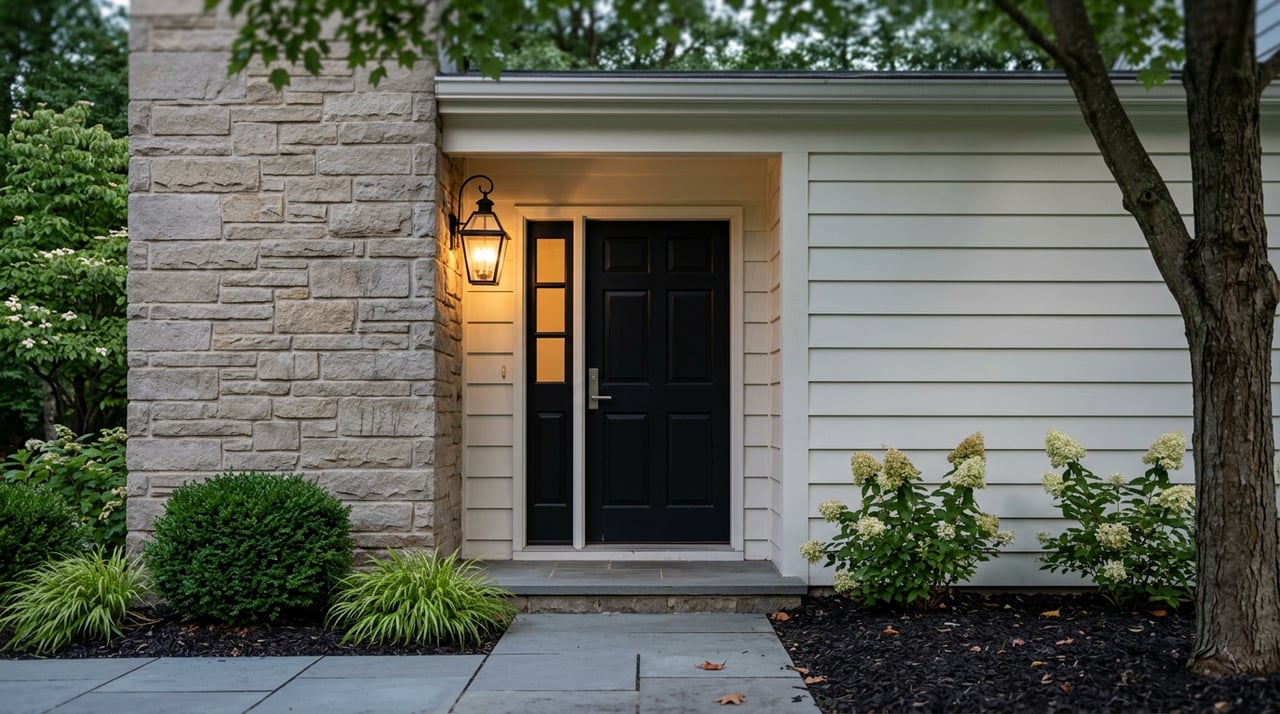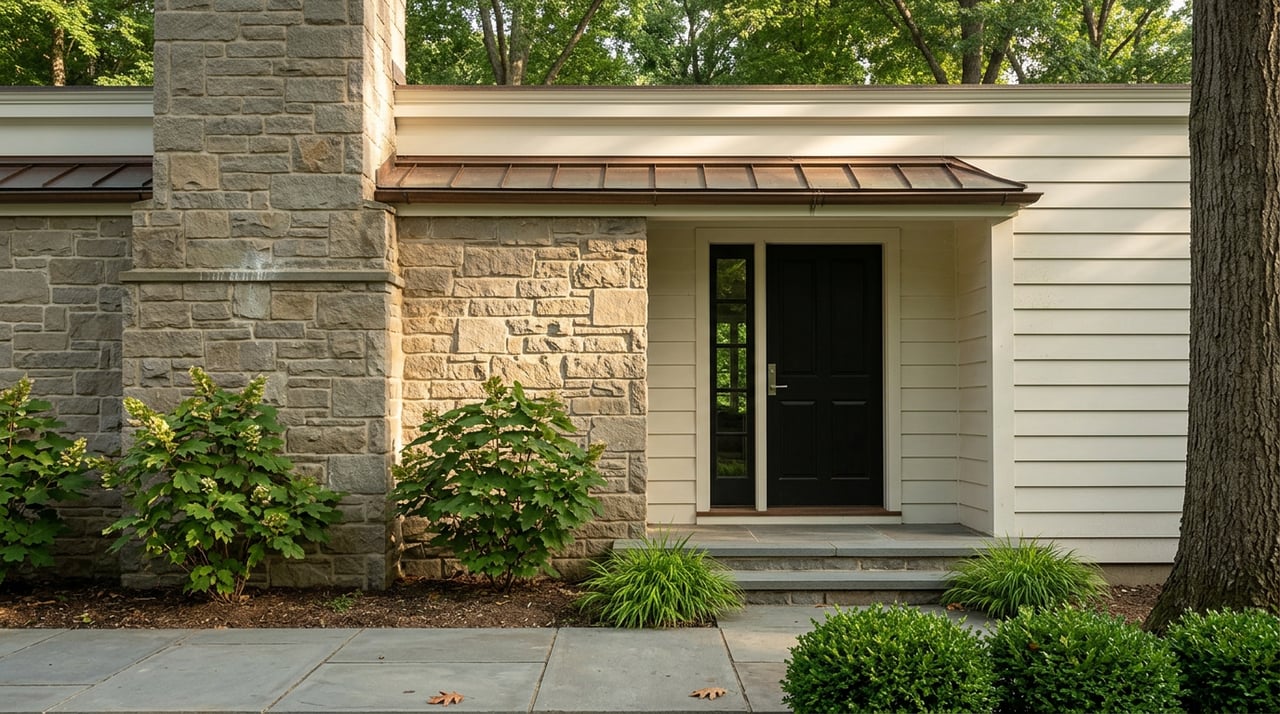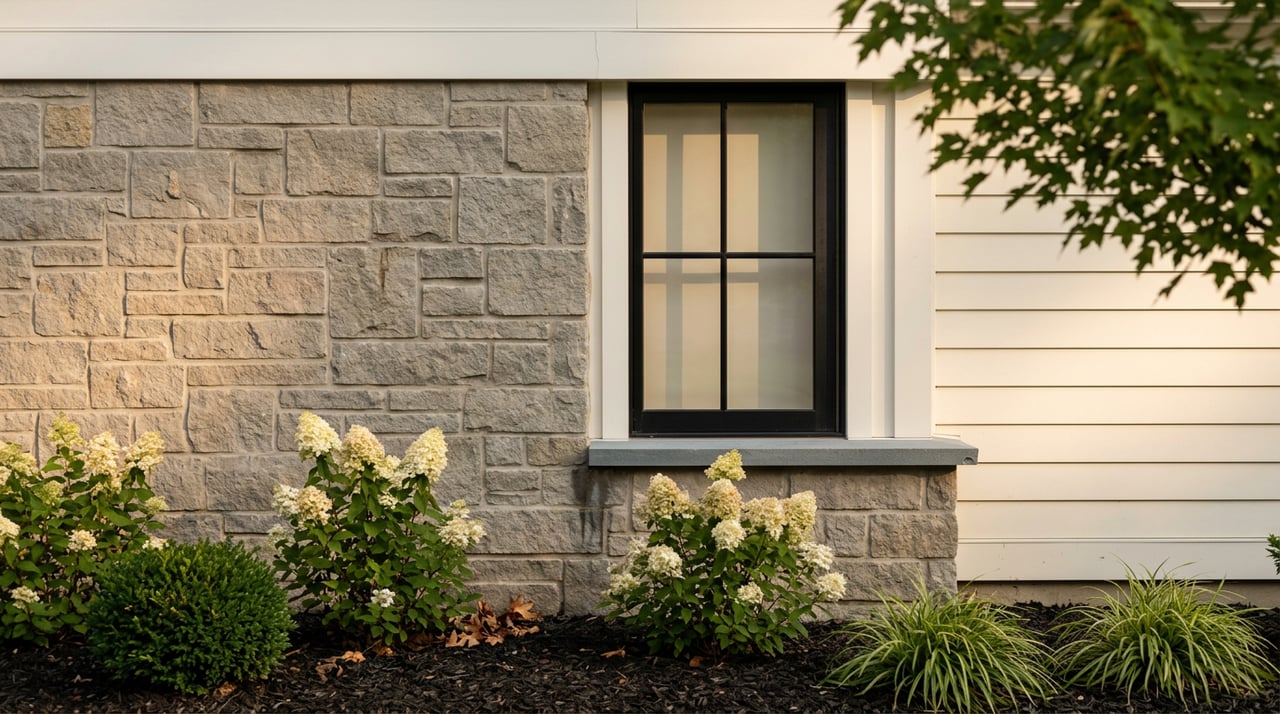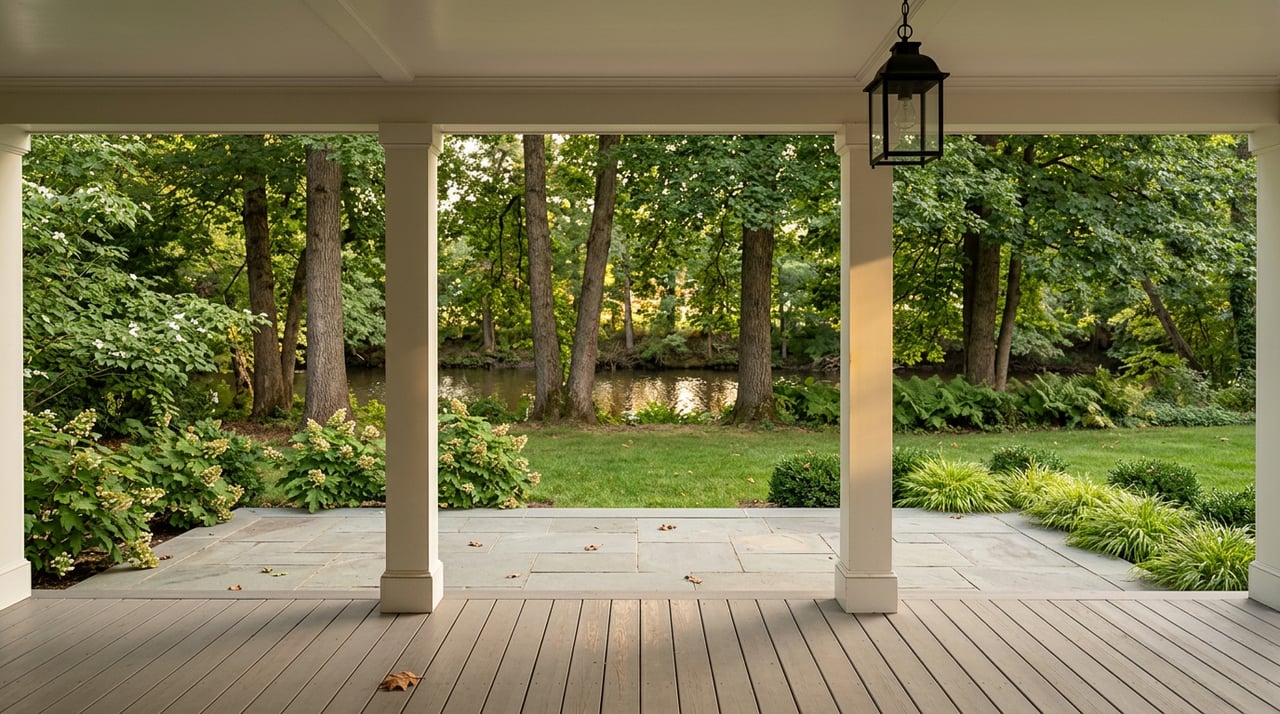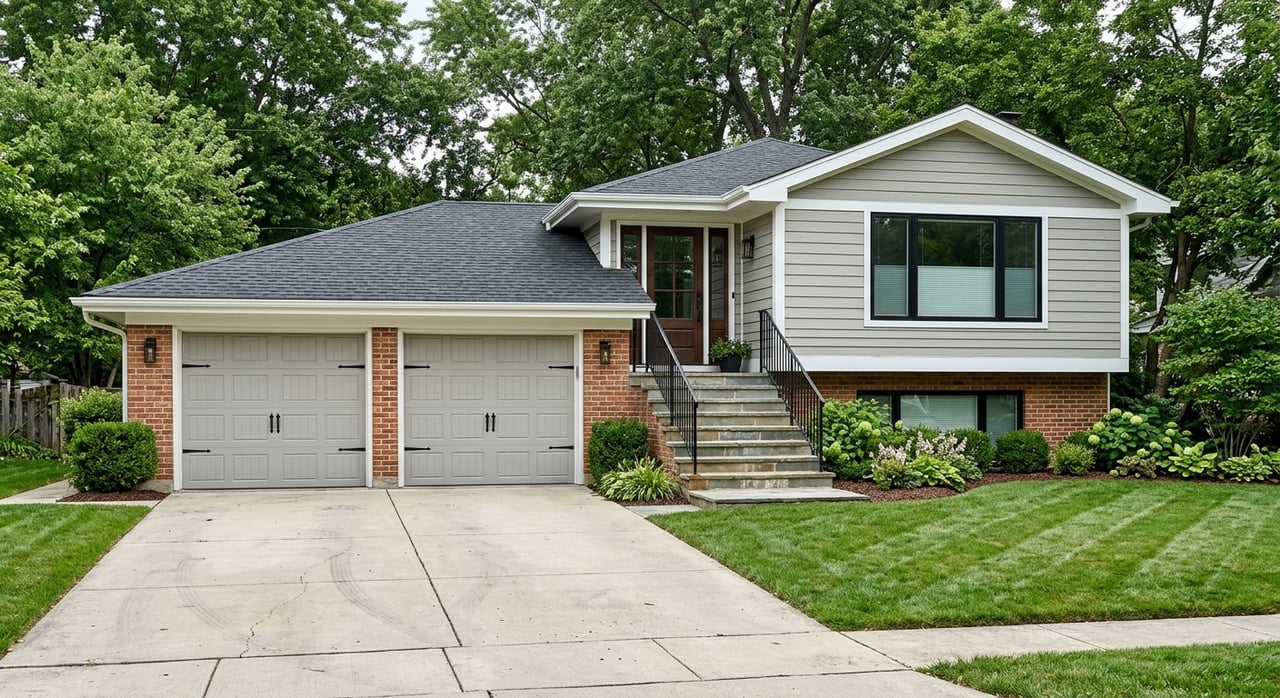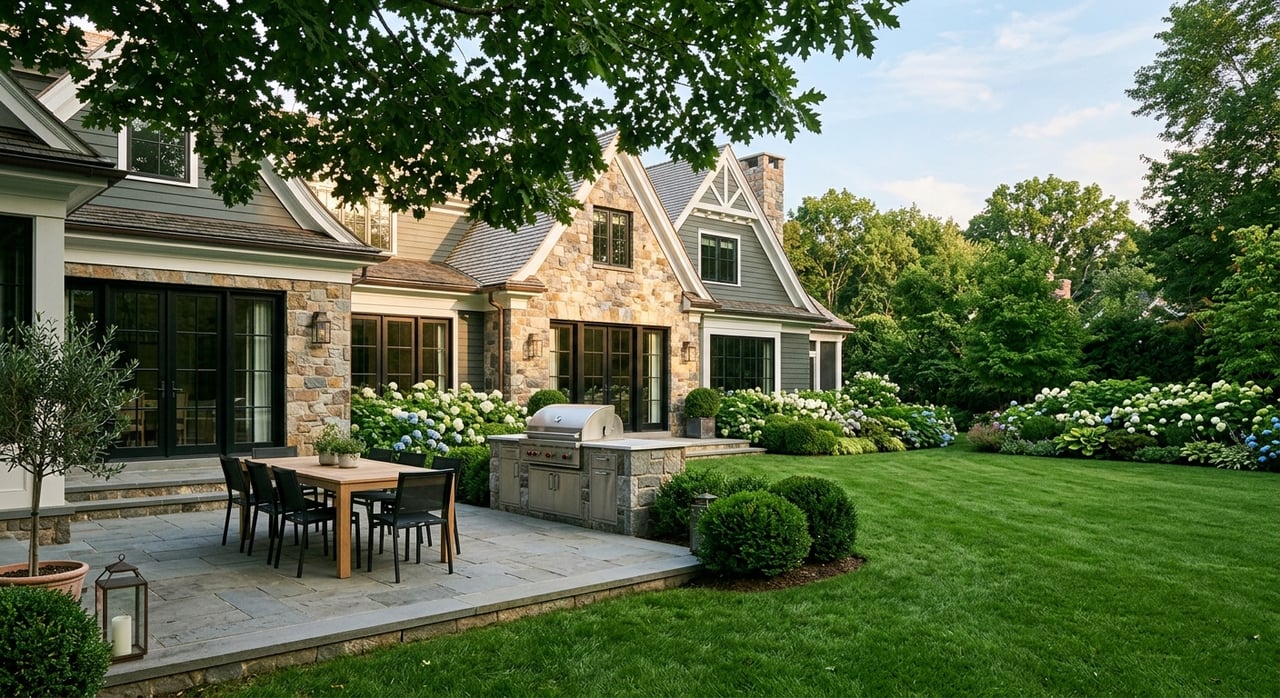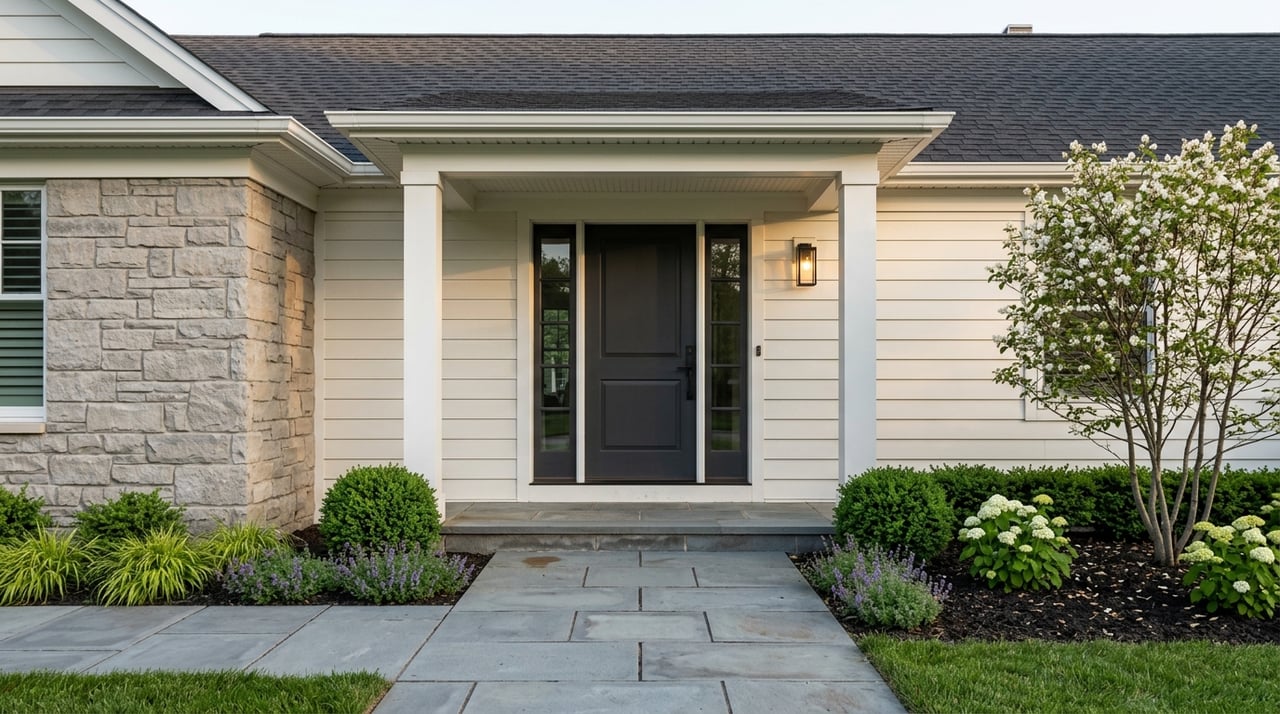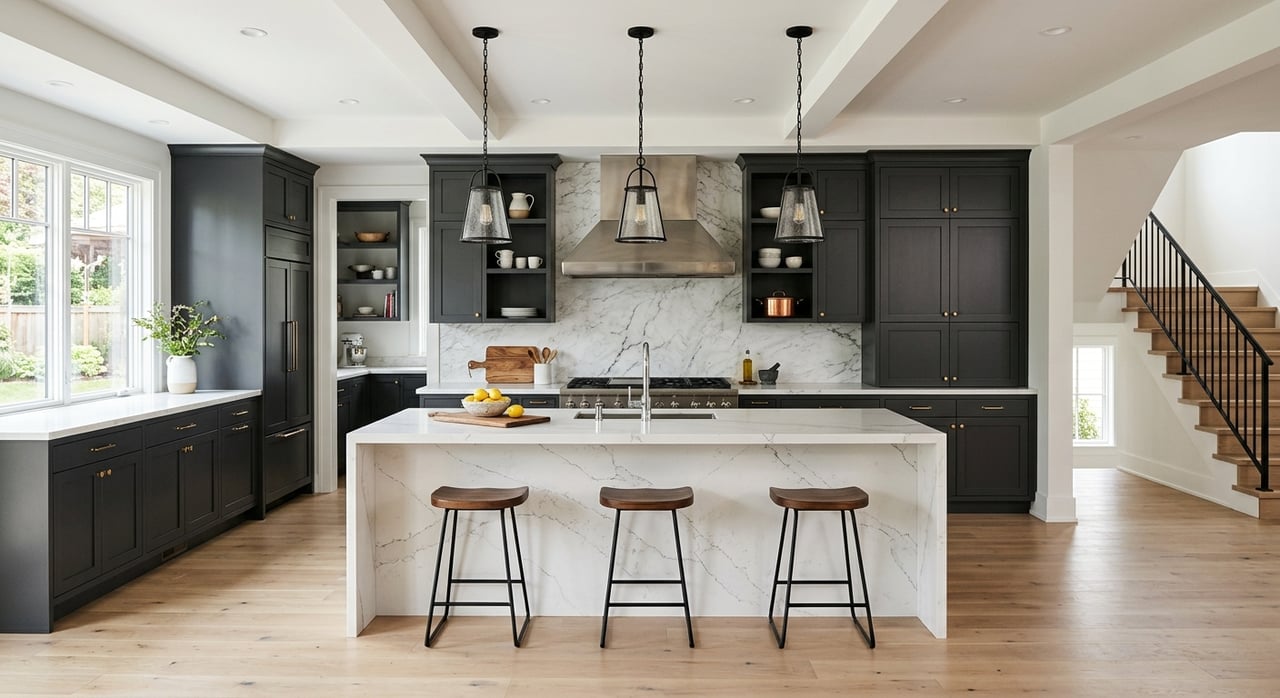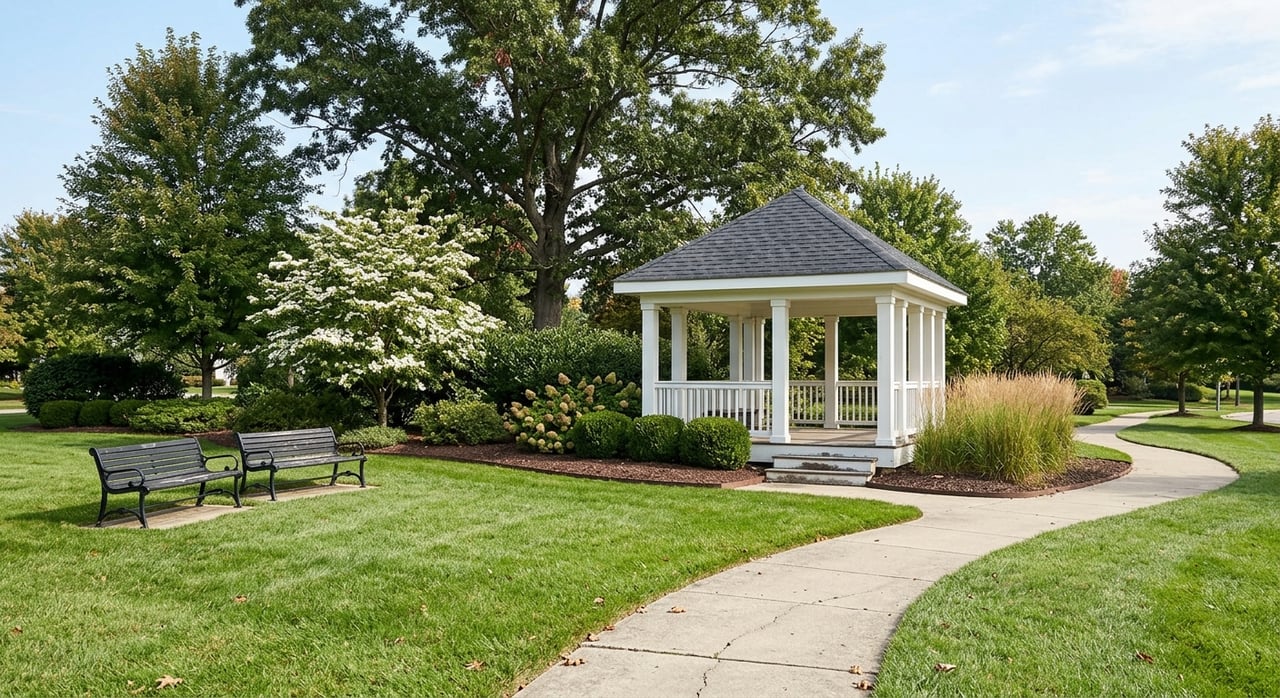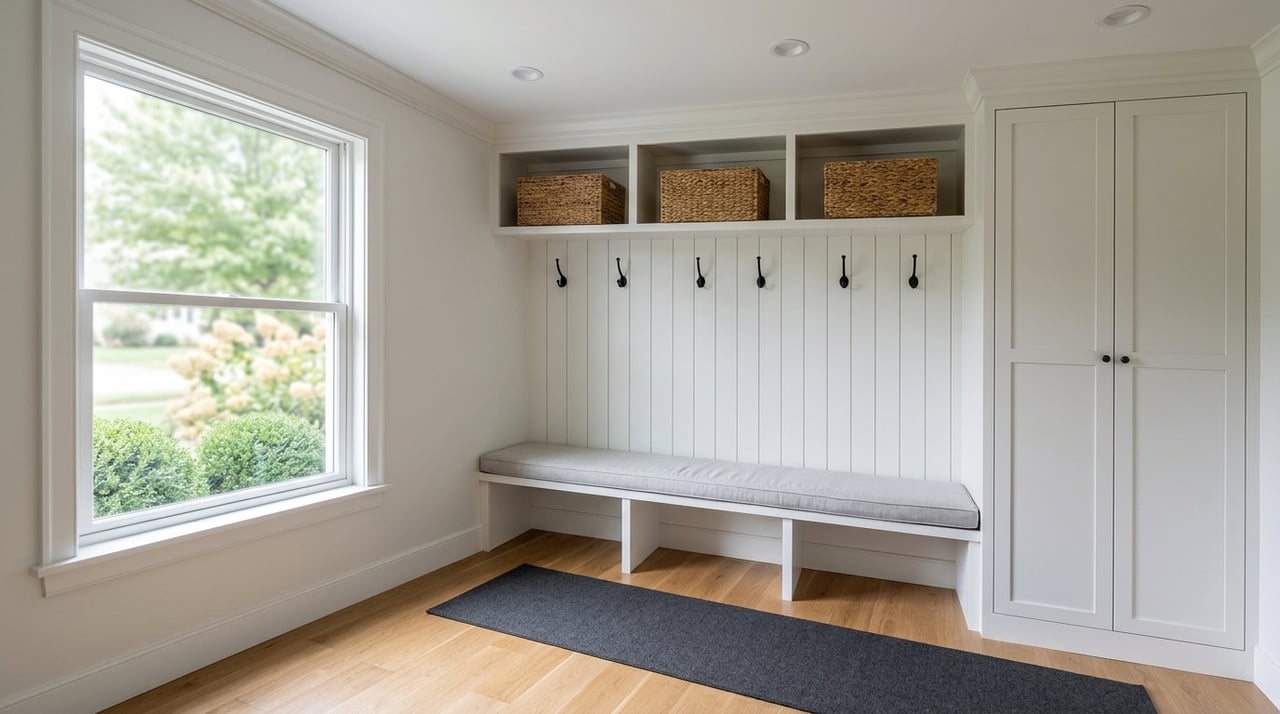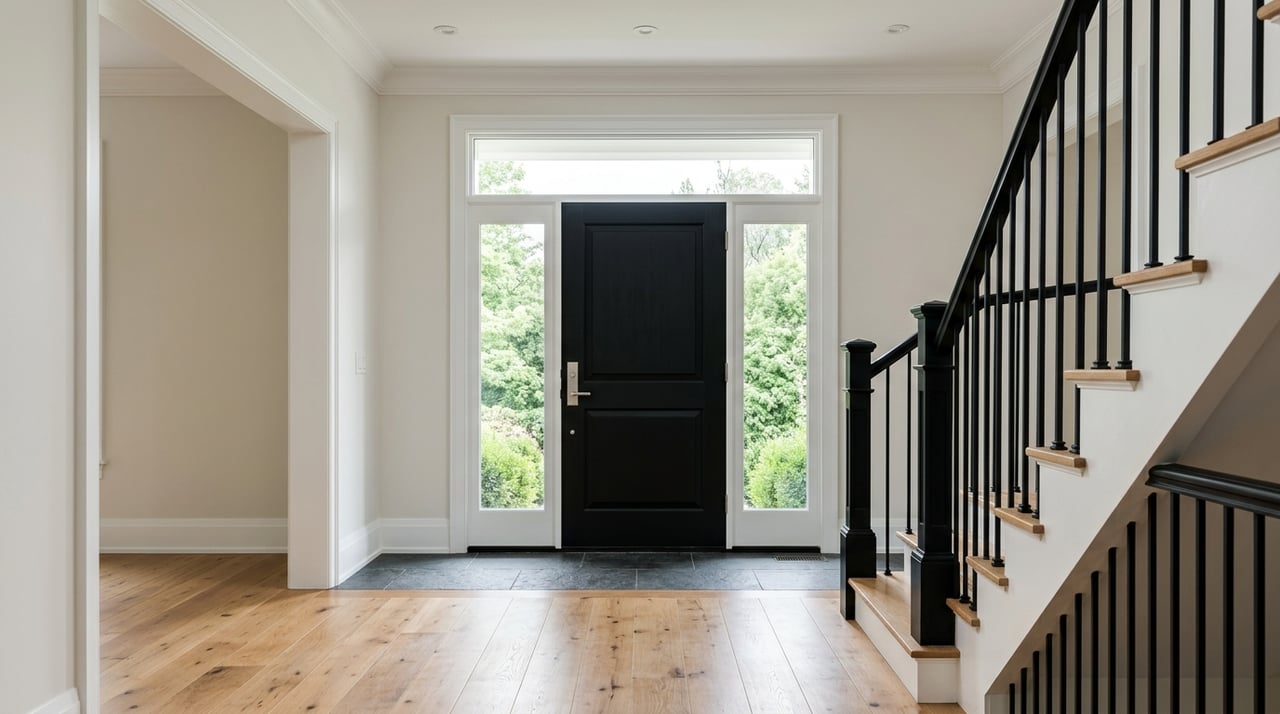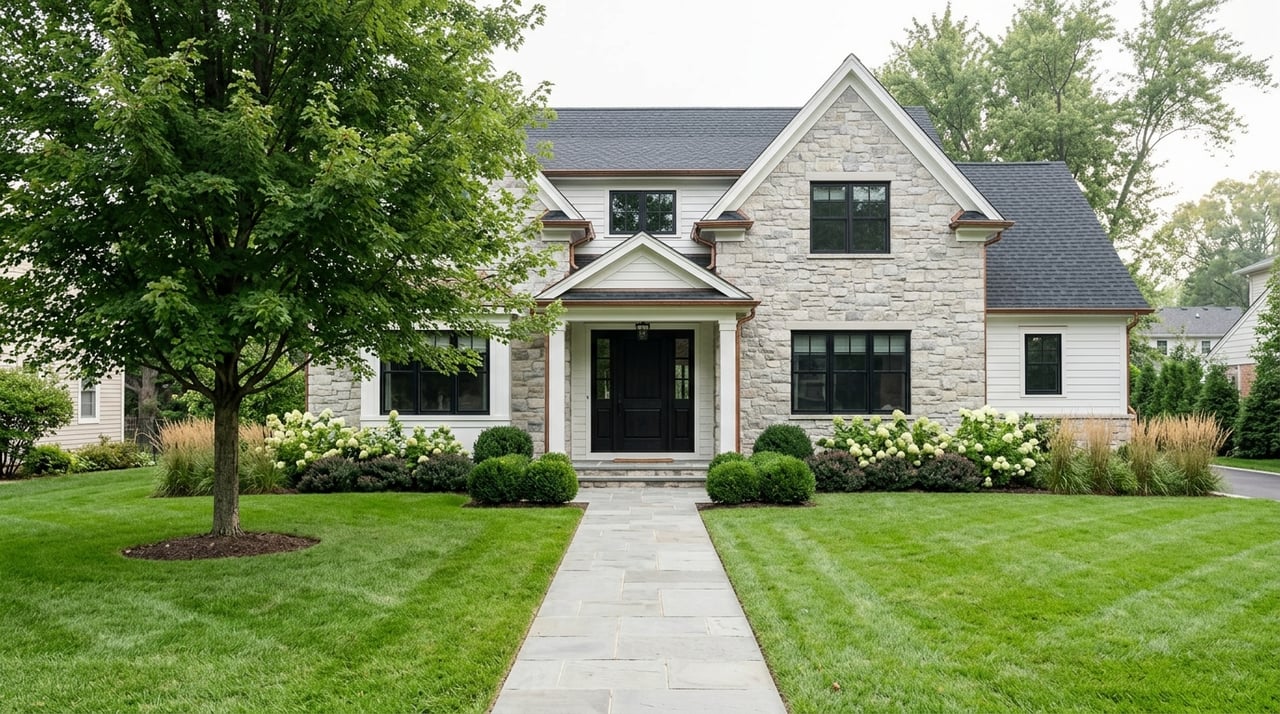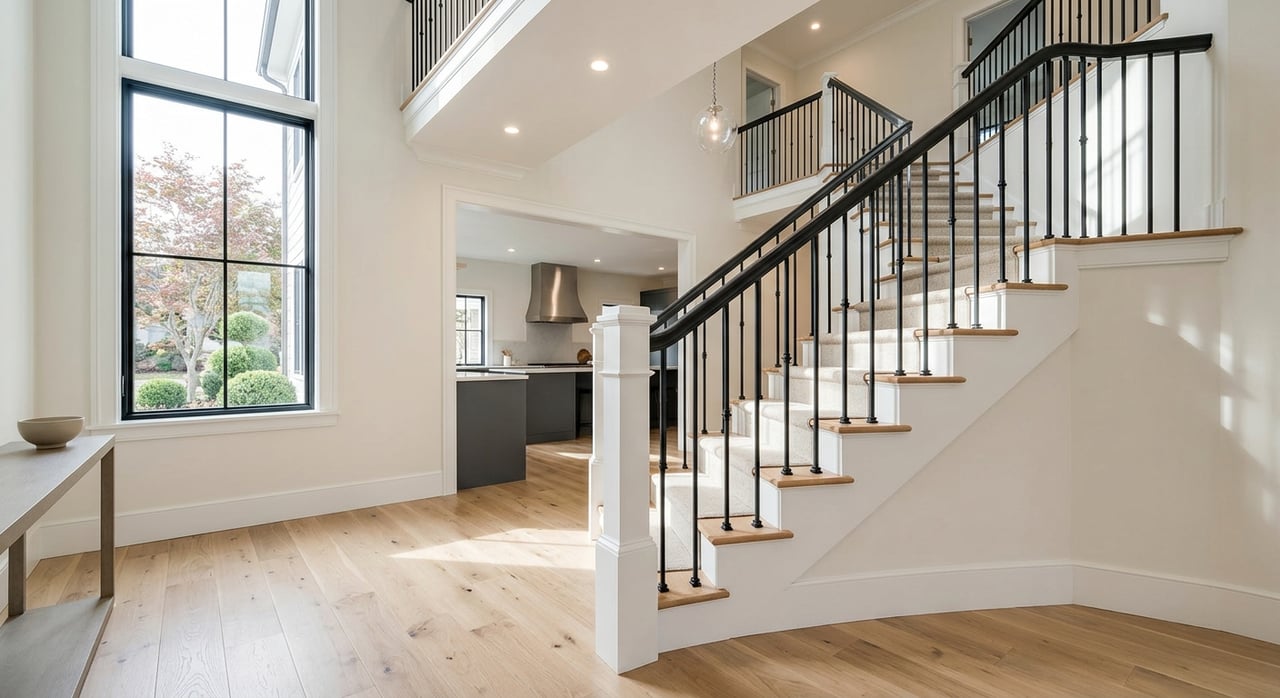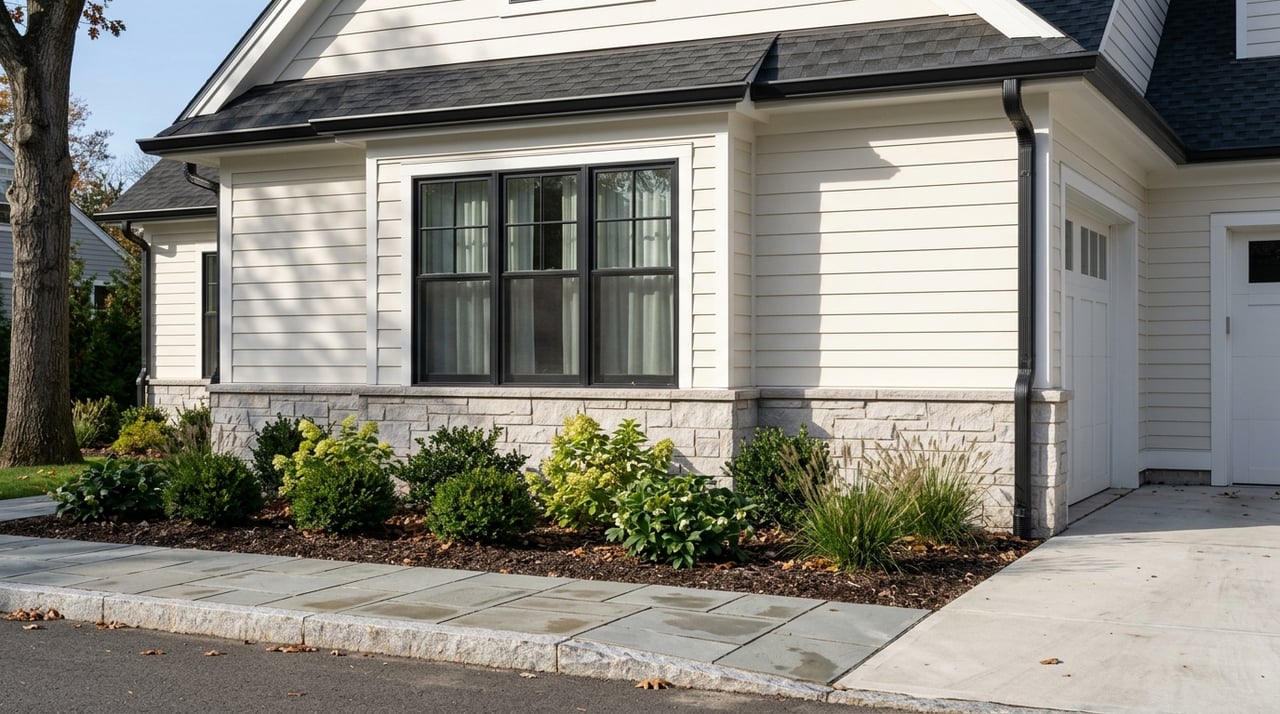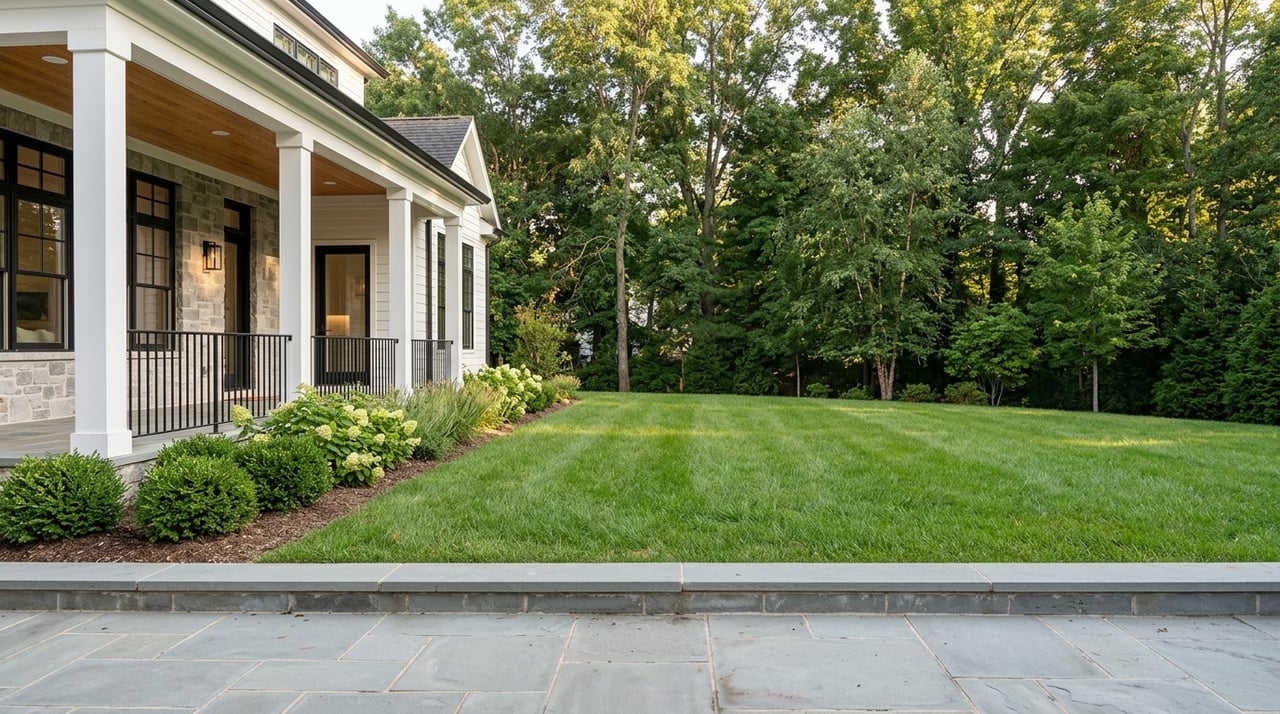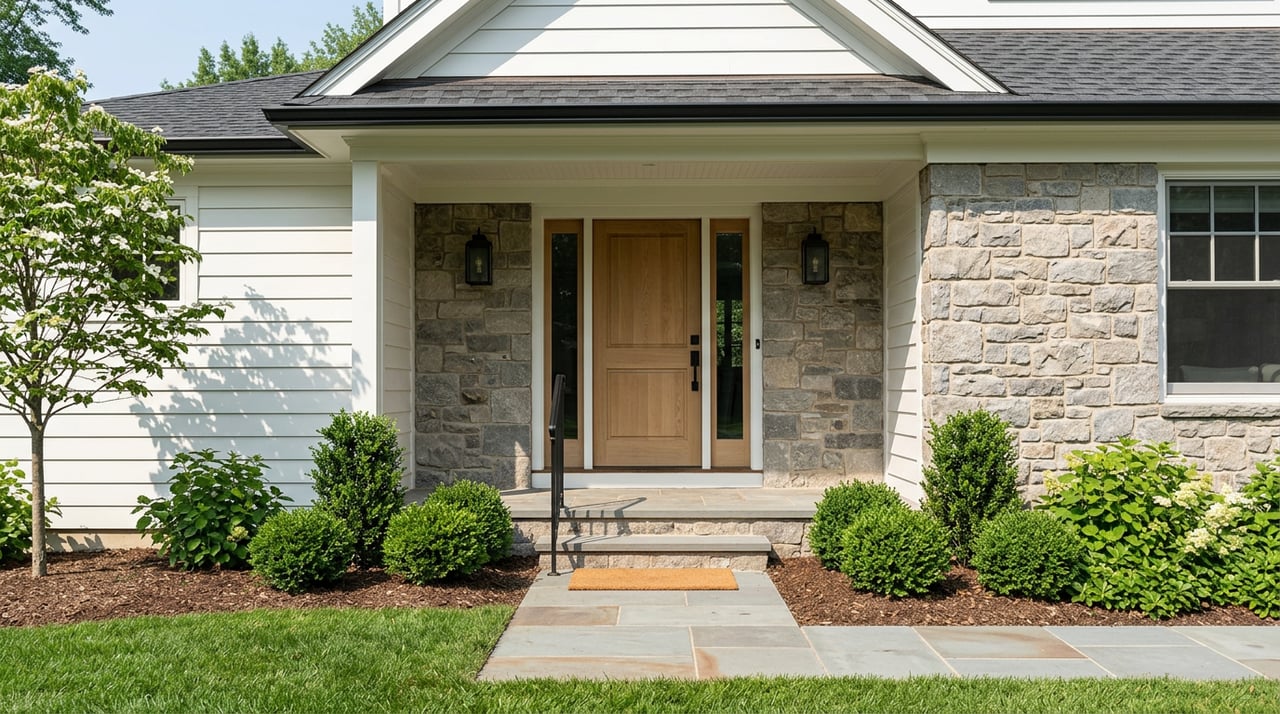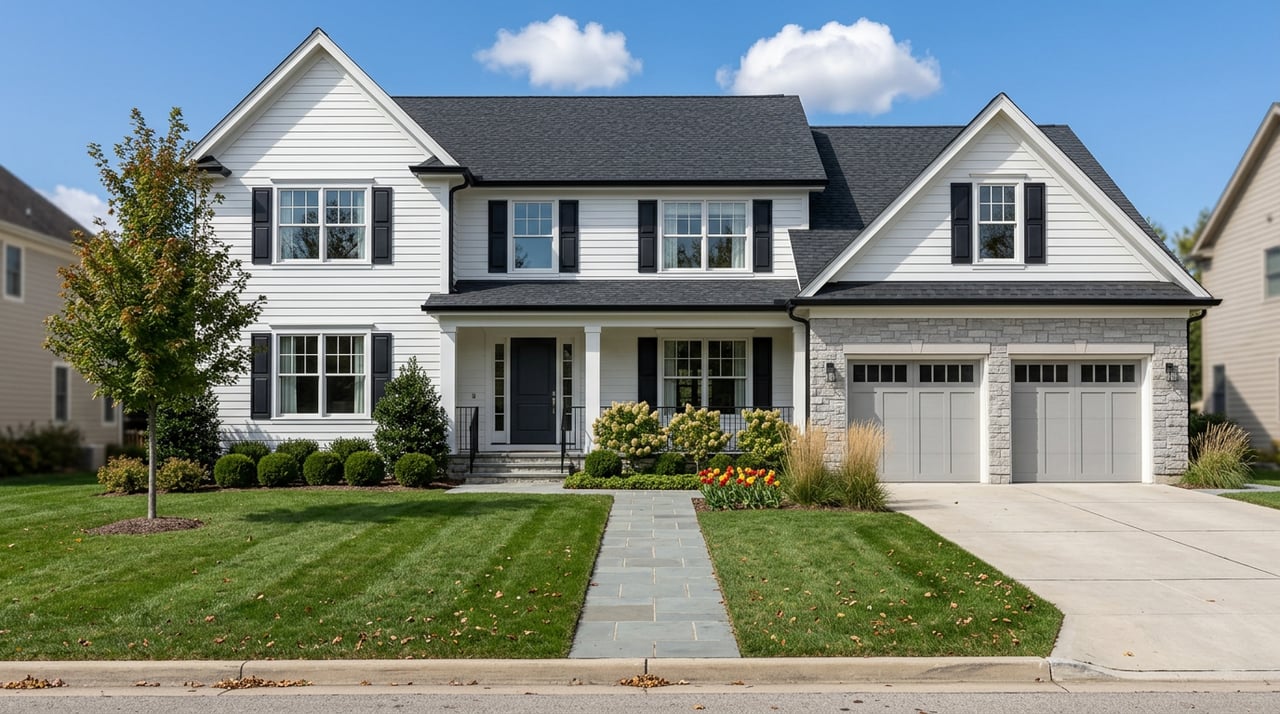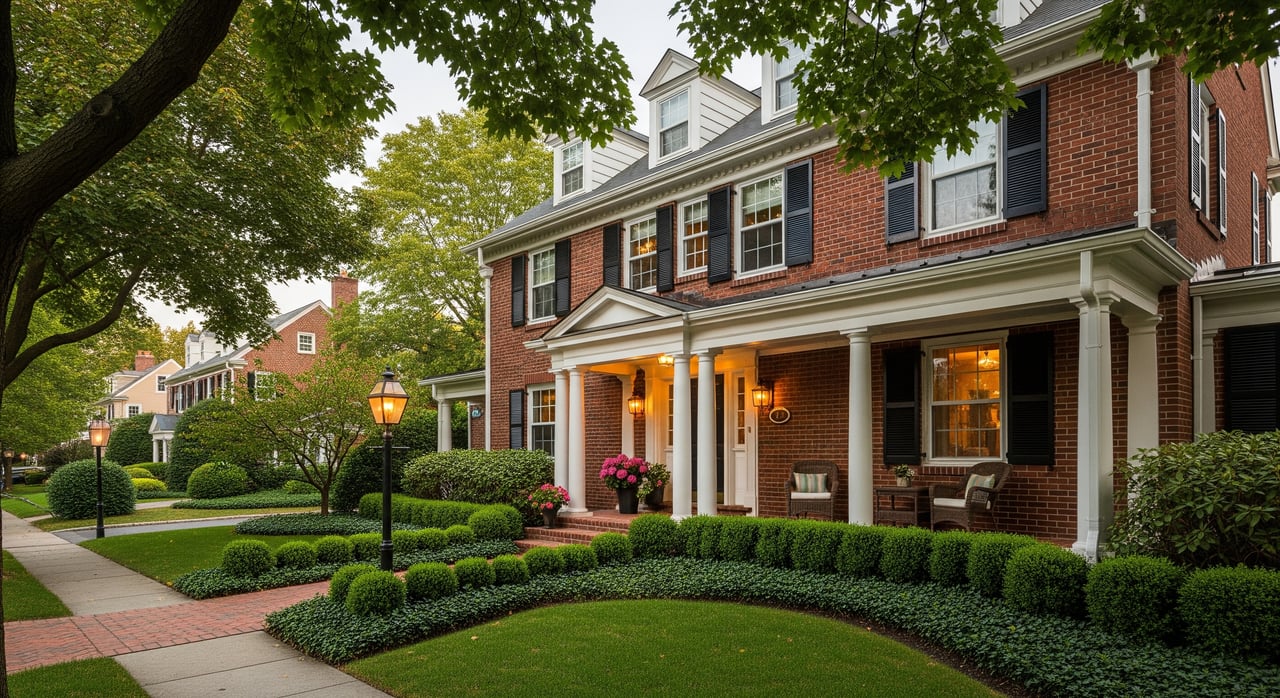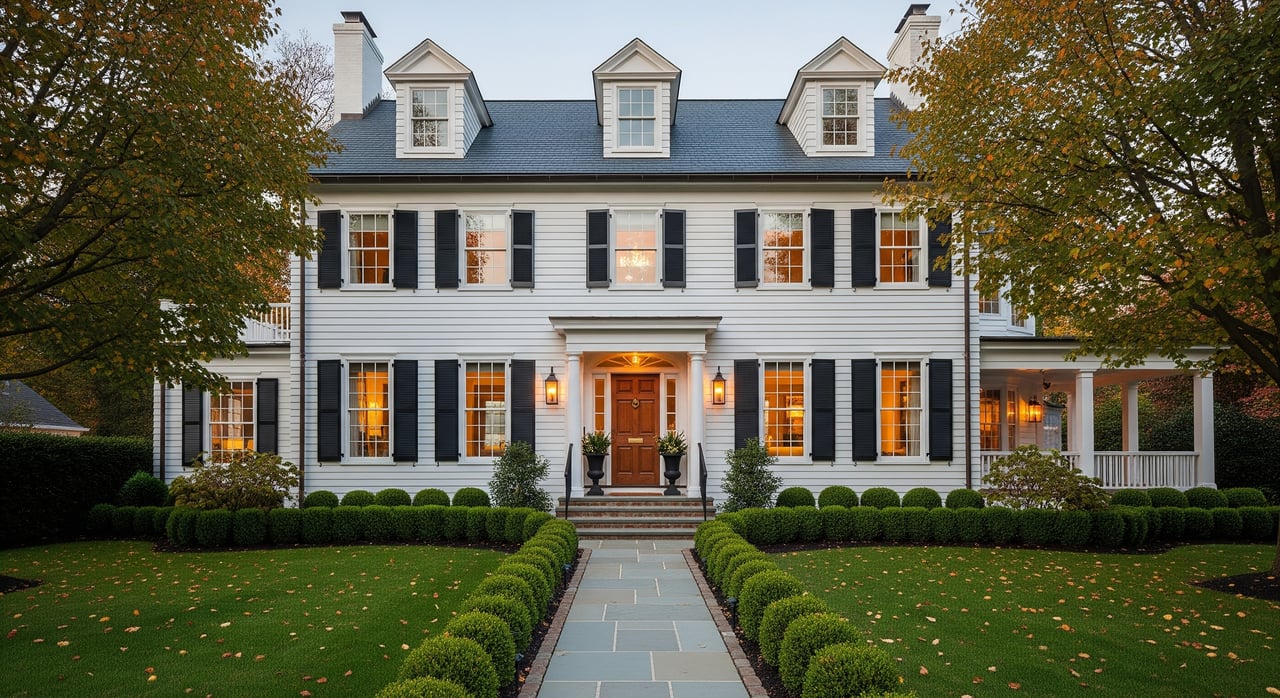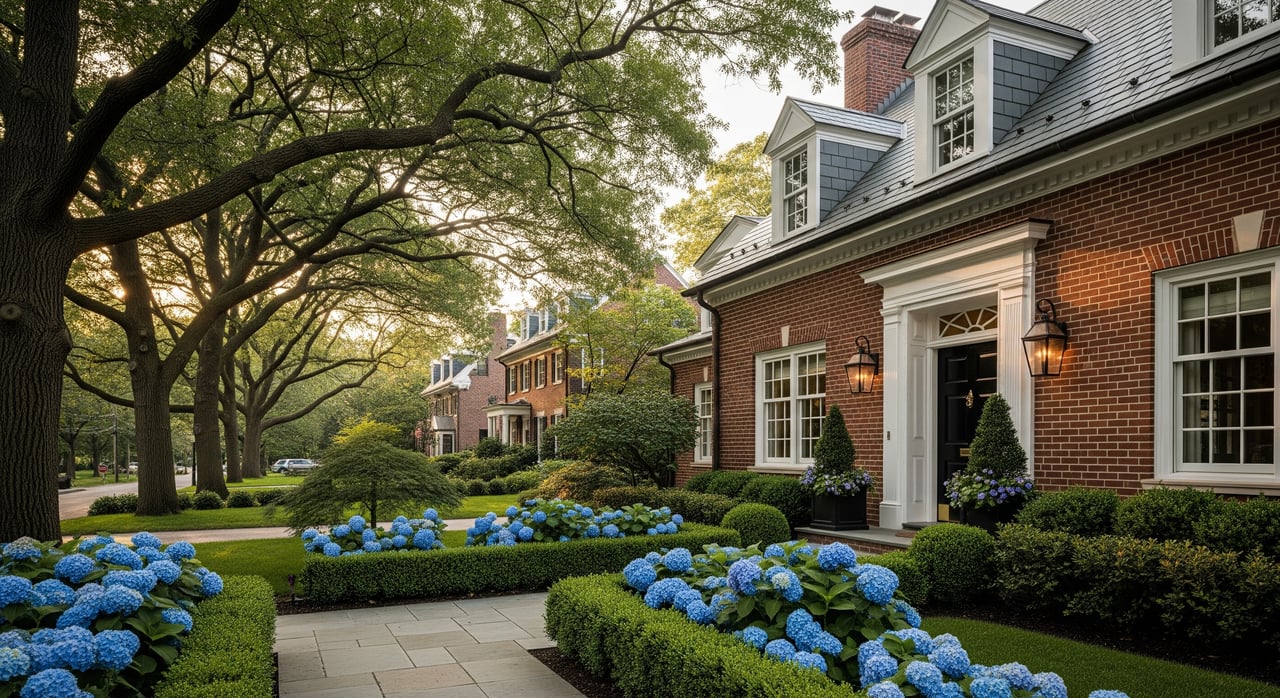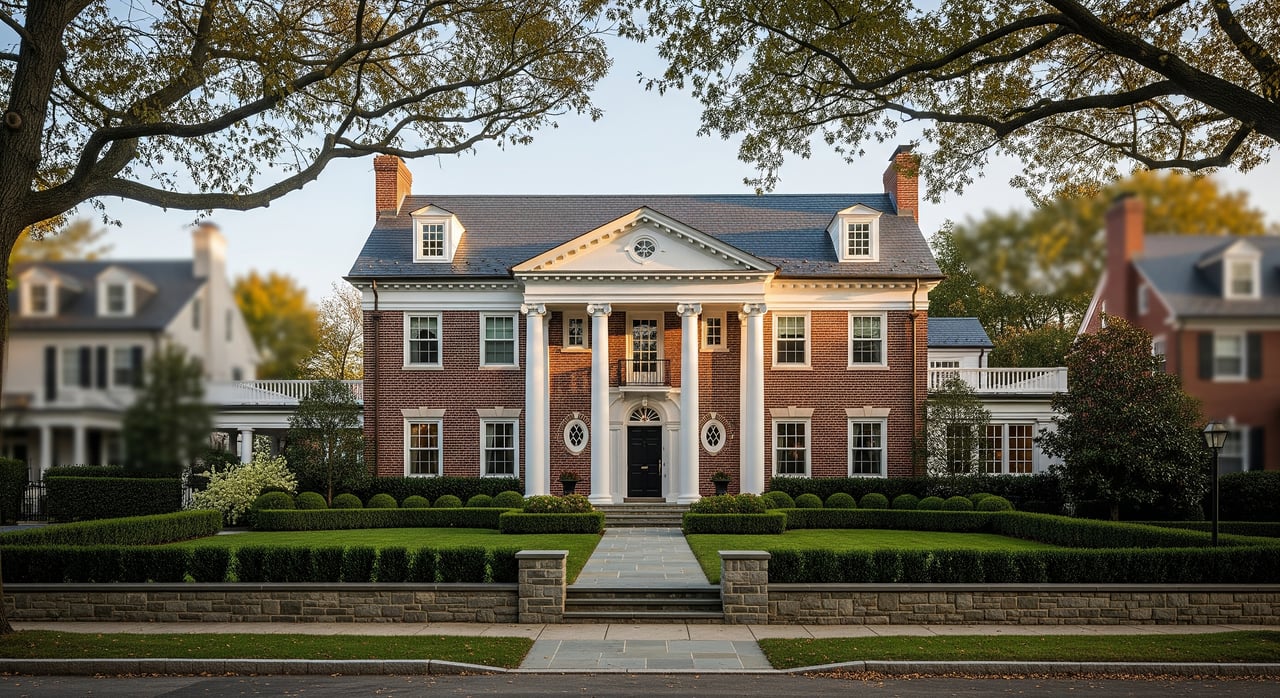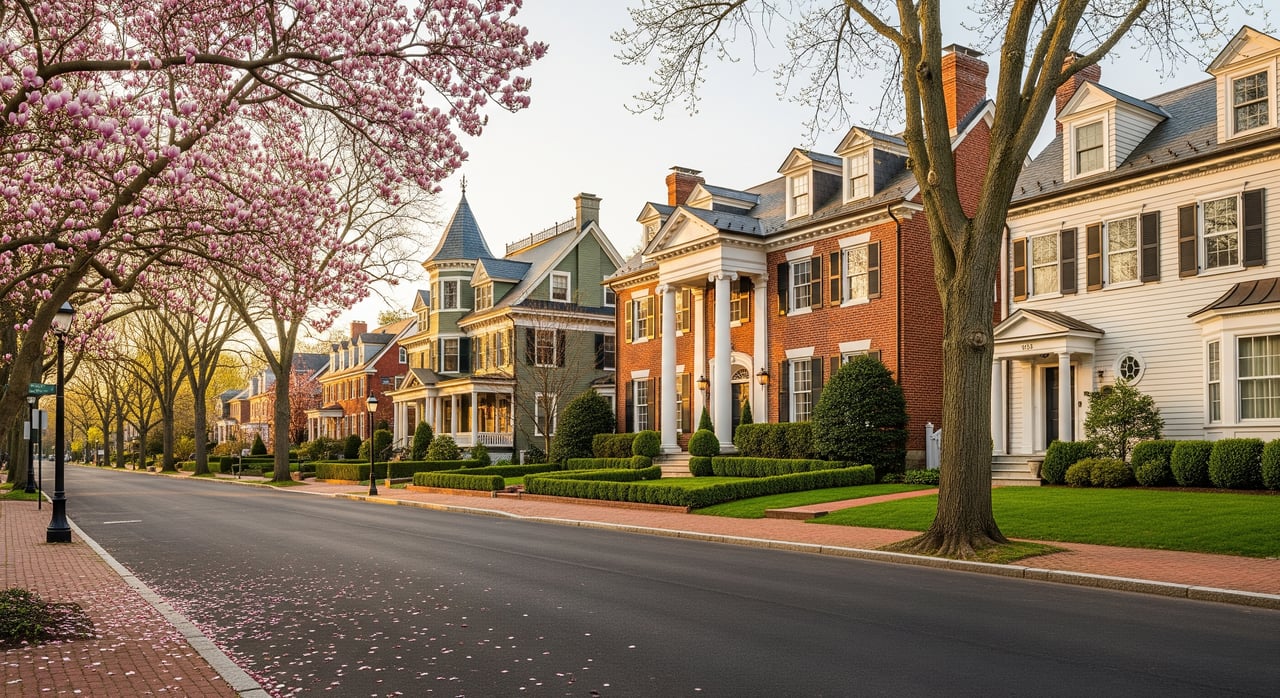
Walk down Shadowlawn Drive on the south side of town, in the Shackamaxon section, and you can see the whole argument of this post without reading another word. On one lot sits a ground-up custom build from Michael Robert Construction, the kind of project where the builder and the interior designer are married to each other and the house reads as one continuous idea from foundation to light switch. A few doors away sits 841 Shadowlawn, a colonial that was gutted to the studs and rebuilt in 2018, a block from Washington School. Two houses. Similar footprints. Similar price range. And if you only looked at the number on the listing sheet, you'd have no idea which one you were standing in front of.
That's the problem with quoting a median price for Westfield right now. It tells you what the town costs on average. It does not tell you that at the top of the market, two genuinely different products have converged on the same number, and the choice between them is not really about money at all.
How Westfield's Price Bands Compare
Westfield is expensive, inventory is thin, and homes move fast. Within that market, listings above roughly $1.6 million include distinct options for buyers to compare.
New construction in Westfield is a small, specific niche, not a volume market. As of this past spring, only about seven new-construction homes were actively listed in the entire town, running from roughly $1.65 million to near $3 million, at approximately $630 a square foot. That's not a typo. Seven houses, across an entire town of over 30,000 people, represent the whole new-build inventory at a given moment.
Meanwhile, a fully renovated pre-war home in the same town, the kind with a gut-renovated kitchen, refinished floors, and a finished basement, is listing in a comparable band, often $1.9 million to $2.2 million. So a buyer with a $1.9 million budget isn't choosing between "new" and "cheap old house." They're choosing between two houses that cost the same amount and hide entirely different things.
Recent closed sales make the overlap concrete. 320 Highgate Avenue, built in 1957, sold in April 2026 for $1.55 million, 11 percent over its list price, after just six days on the market. 210 Sinclair Place, a six-bedroom home, sold in May 2026 for $2.15 million after zero days on market. And 1050 Lawrence Avenue, built in 1958, sold on July 27, 2026 for $1.902 million, 21 percent over its list price, after 16 days on market. I listed that one myself. None of those three homes were new construction. Two of those three homes closed in the price band where new-construction listings also sit.
What's Actually Behind the Walls
| New Construction | High-End Renovation | |
|---|---|---|
| Typical price band | ~$1.65M–$3M | ~$1.9M–$2.2M+ |
| Price per square foot | ~$630 | Varies by lot and finish level |
| What you're buying | Fresh framing, wiring, and systems throughout | A kitchen and baths that may sit over decades-old bones |
| Warranty | Builder's warranty, often multi-year | Typically none on prior renovation work |
| What to verify | Zoning envelope, demolition permits, builder's track record | Permit history for past work, age of wiring and framing |
The framing versus finishes distinction is the whole ballgame, and it's easy to miss because it doesn't show up in listing photos. A renovation can deliver a stunning kitchen sitting over sixty-year-old framing, wiring, or a subfloor that nobody touched. New construction, by contrast, carries a builder's warranty, often running ten years on structural items, because everything behind the walls is new by definition.
This matters in a very literal way in Westfield's older housing stock. Local electricians who work in town regularly flag knob-and-tube and aluminum wiring in homes that have never had a full rewire, even when the kitchen and bathrooms look brand new. A cosmetic renovation can update every visible surface in a house without touching the electrical panel behind the drywall. If you're comparing a renovated colonial to a new build at the same price point, the wiring question isn't a nice-to-know. It's one of the only ways to tell the two products apart before you own one.
Westfield gives buyers a genuine tool here that a lot of towns don't. The town's SDL Portal lets anyone look up a property's permit, inspection, and violation history online, free, before making an offer. If a listing says the kitchen was renovated in 2019, the portal can help you check whether that renovation was permitted and inspected. For a renovated home competing dollar-for-dollar with new construction, that history is close to the whole diligence process in miniature.
Why This Fork Exists At All
None of this is random. Westfield's chronic shortage of move-in-ready inventory means any new listing, whether it's a fresh build or a polished renovation, draws intense demand the moment it hits the market. That demand has pulled two very different kinds of supply into the same price range: a handful of local design/build firms doing teardown-rebuilds on lots where the economics work, and homeowners or flippers renovating existing houses to the same finish level buyers expect from new construction.
The builders doing this work aren't national tract companies. They're local firms with names you'll see again if you spend any time looking at Westfield listings: Michael Robert Construction, run by a Westfield native who still lives in town, Premier Design Custom Homes, Villane Building and Development, Daunno Development. Their projects show up on streets across town, not just Shadowlawn Drive but Tice Place, Mohawk Trail, Coolidge Street, and Faulkner Drive, which tells you this is a townwide pattern, not a single pocket of activity.
Before You Write an Offer on Either
If you're comparing a new build against a renovated home at a similar price, a few steps matter more than curb appeal or listing photos.
- Pull the property's permit history through Westfield's SDL Portal before you tour, so you know whether past work on a renovated home was inspected or done without a permit.
- Ask specifically about the age of the electrical panel and whether the home has had a full rewire, not just updated fixtures.
- Request the builder's warranty terms in writing for any new construction, including what's covered and for how long.
- For a teardown-rebuild, confirm the zoning envelope and demolition permit were properly filed before construction started.
- Compare the two options on the things that don't show up in photos, not just the finish level of the kitchen.
Frequently Asked Questions
Is new construction actually more expensive than buying an older home and renovating it in Westfield? Not necessarily. At the top of the market, active new-construction listings and top-tier renovated homes are landing in overlapping price bands, roughly $1.9 million and up. The cost difference has mostly disappeared. What's different is what you're paying for.
How do I find out if past renovations on a Westfield home were permitted correctly? Westfield's SDL Portal is the town's own online system for permit, inspection, and violation history, and it's available to anyone before they make an offer.
Does a builder's warranty cover more than a home inspection would catch? Often yes. A standard inspection is a snapshot of visible condition on one day. A multi-year builder's warranty on new construction typically covers structural and systems issues that might not surface until well after closing.
Whether you're weighing a new build against a renovated colonial, or you own one of Westfield's older homes and are wondering how it stacks up against what's rising a few blocks away, the number on paper is only the start of the conversation. If you want a clear read on where your home actually sits in this market, Jayne Bernstein can walk you through it street by street. Request your home valuation to see what your specific address is worth in today's Westfield market.
This article is general information, not legal, tax or financial advice. Consult a qualified professional about your situation.