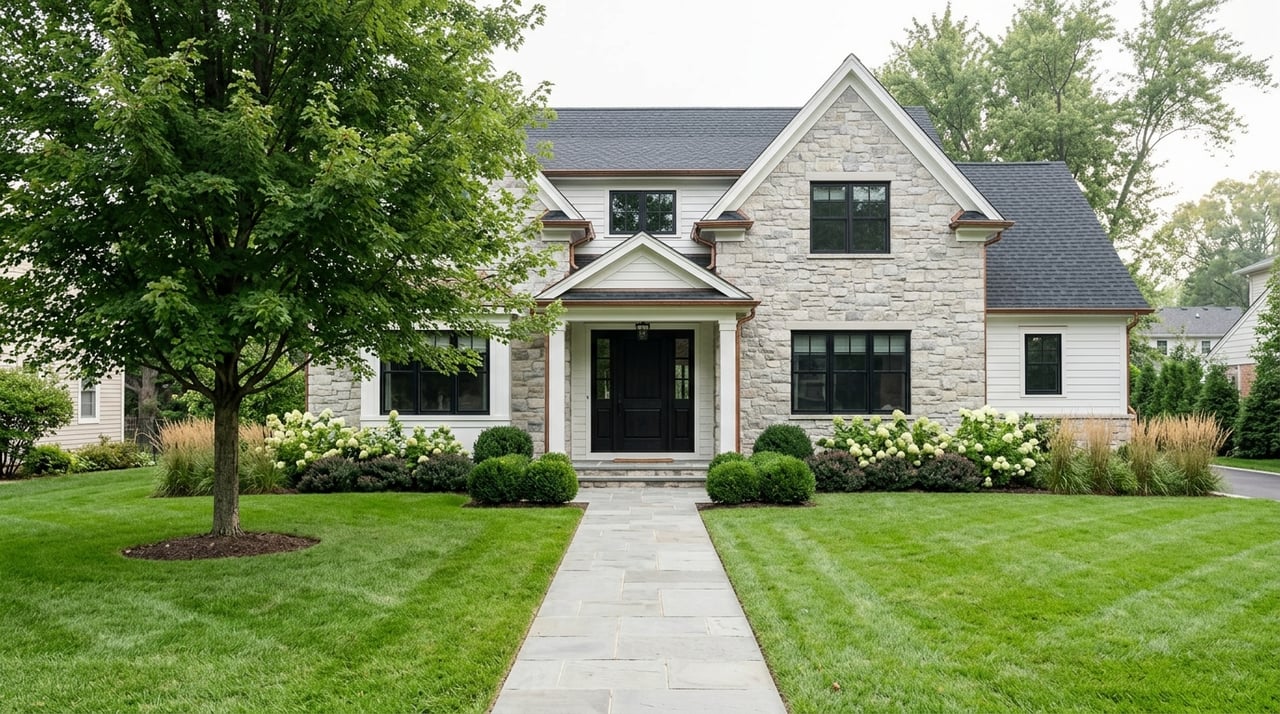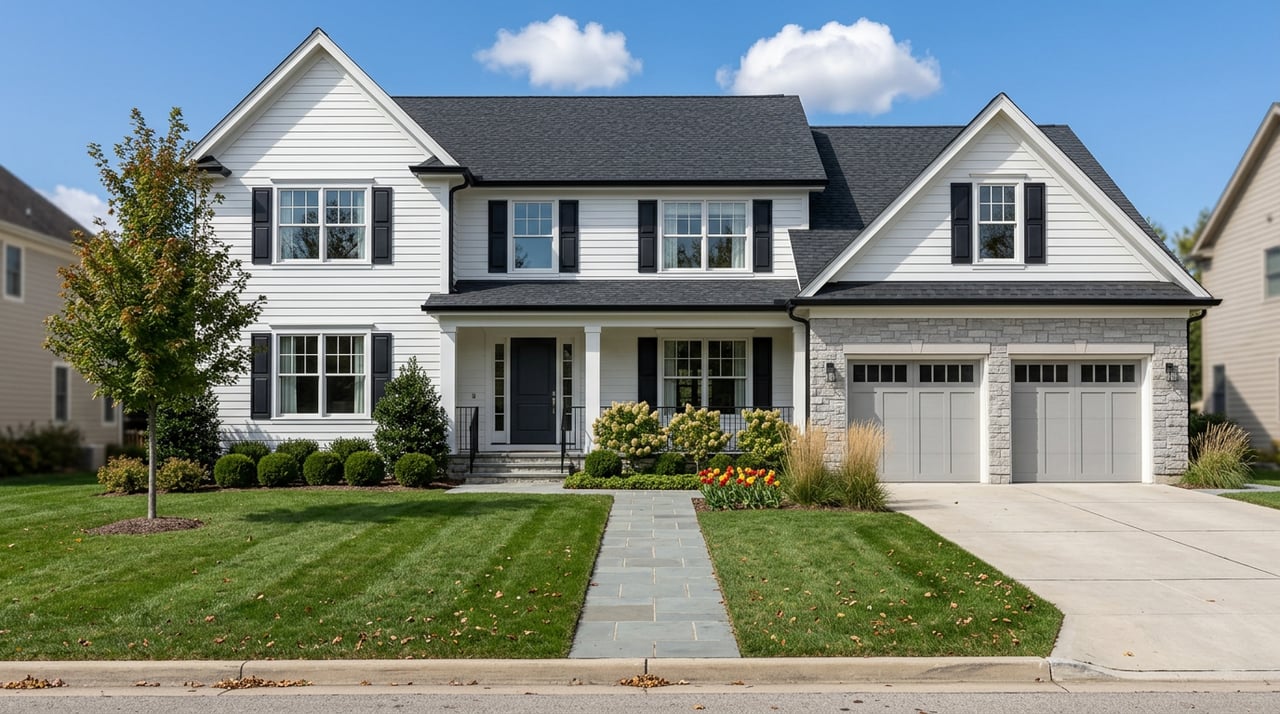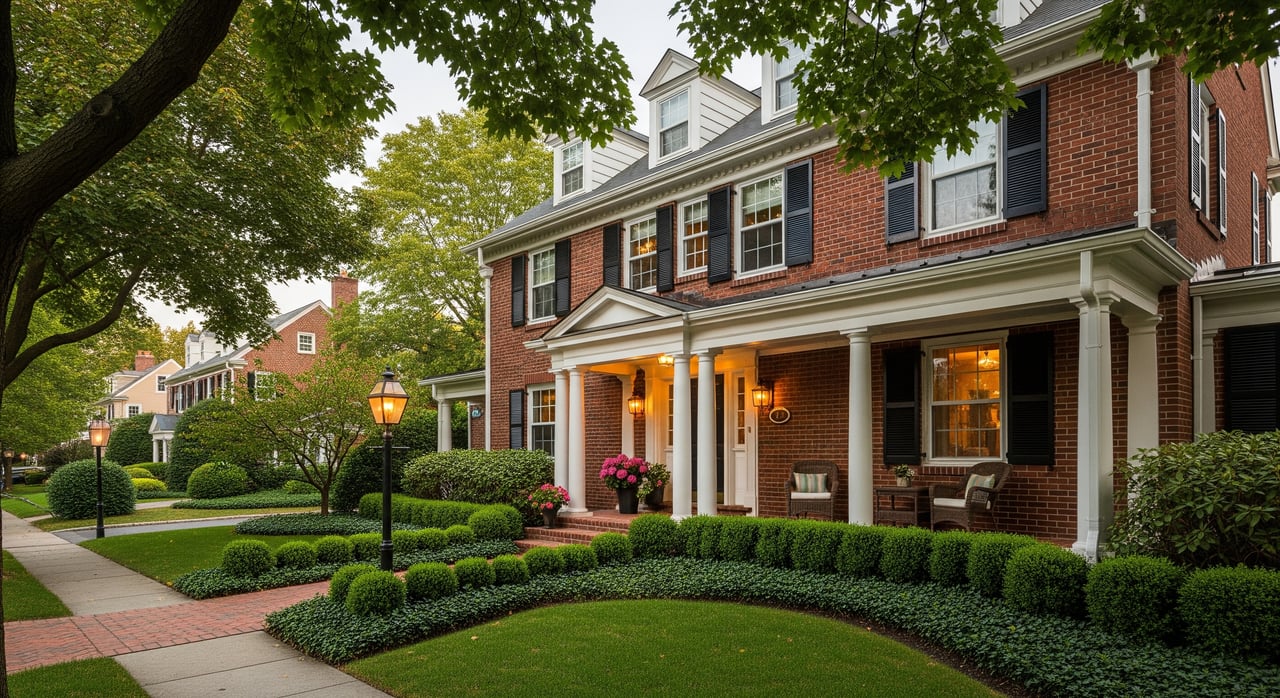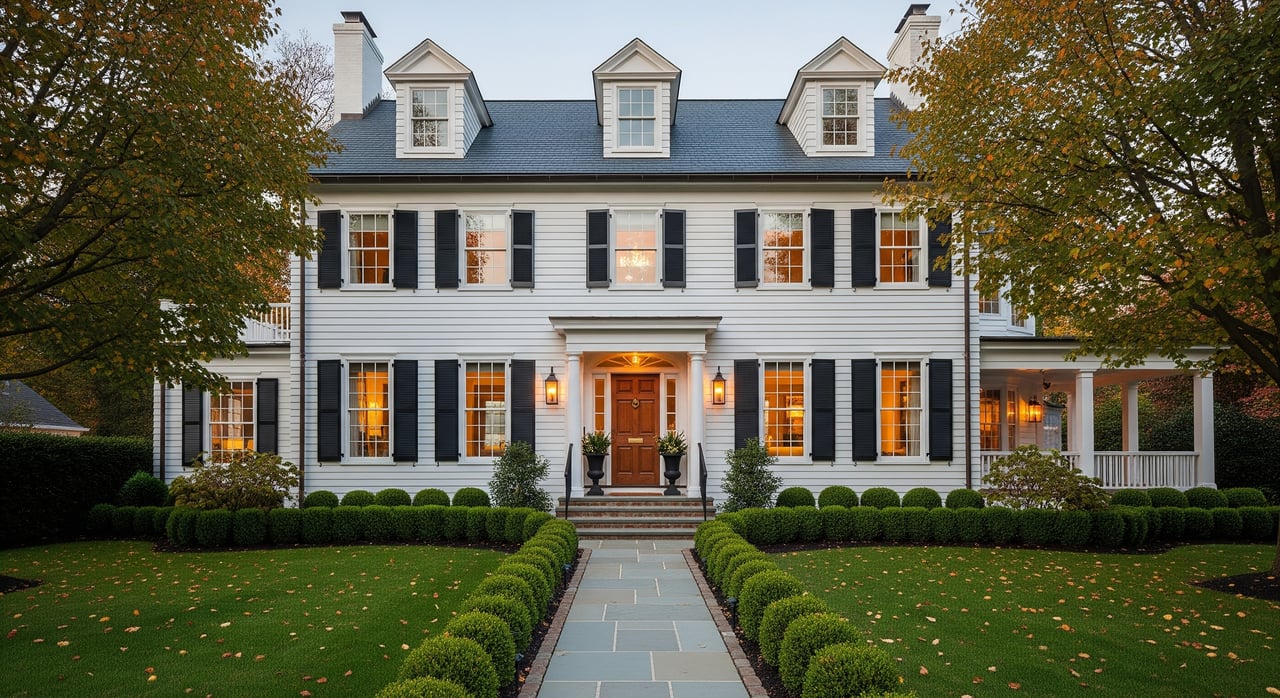
Two buyers walk into open houses on the same Sunday. One tours a colonial in Mountainside listed at $1.1 million. The other tours a comparable colonial in Scotch Plains, also at $1.1 million. On paper, the decision looks like a coin flip. Five years later, one of them will have paid roughly $31,000 more to own the house, and it will have nothing to do with the mortgage.
The gap sits inside the property tax line, and the mechanism that creates it is one of the least understood features of the Mountainside market. Combined with a second quiet filter, the borough's lack of an in-town train station, it explains why the median sale price here doesn't behave the way buyers expect it to.
The tax line nobody quotes on the listing sheet
The number that matters when comparing towns is the effective tax rate: total annual tax divided by true market value. It normalizes for assessment quirks and lets you compare towns honestly. Here is where Mountainside sits inside its immediate peer group, drawn from the 2025 certified rates published by the New Jersey Division of Taxation:
| Town | 2025 Effective Tax Rate |
|---|---|
| Summit | 1.475% |
| Mountainside | 1.566% |
| Westfield | 1.810% |
| Berkeley Heights | 1.820% |
| Clark | 1.899% |
| Cranford | 2.106% |
| Scotch Plains | 2.137% |
| Fanwood | 2.249% |
Run those rates against an identical $1.1 million home, and the story stops being abstract. Mountainside owes roughly $17,200 a year. Scotch Plains owes about $23,500. Fanwood is closer to $24,700. Over five years, that is between $30,000 and $37,000 of additional after-tax cash flowing out of the same-priced house, before you consider a single utility bill or the cost of a new roof.
That is the transaction-specific friction most buyers only feel after closing, when the first quarterly bill arrives and the math suddenly reads differently than the mortgage pre-approval suggested.
Why Route 22 does the work
The rate gap is not an accident of assessment timing or an artifact of a stale revaluation. It is structural. Union County apportions its levy strictly on each municipality's equalized true market value, so towns with heavier residential concentrations shoulder more of the county share per household. Mountainside carries something most affluent Union County towns do not: a commercial ratable base along Route 22.
The dealerships, hotels, and offices that line the highway corridor are taxable property. Their annual bills reduce the share of the municipal and school budget that has to be raised from residential owners. The June 2026 borough overview from Prodigy Real Estate flags the same mechanism, calling the effect "unusual for an affluent Union County community." That is the polite version. In blunt terms, the highway most residents drive over without thinking about is the reason the borough's residential tax bill runs 30 to 40 percent lighter than Fanwood's on an effective basis.
The consequence for buyers is quiet but durable. If Route 22 remains a viable commercial corridor, the ratable base keeps carrying its share, and Mountainside's effective rate stays anchored. If the corridor were to hollow out, that advantage would compress. Right now it holds, and it is worth pricing into any offer you write here.
The missing train station is a price filter, not a flaw
The borough has no NJ Transit station. Commuters catch bus line 114 to Port Authority, roughly an hour door to door, or drive a few minutes to board a train in Westfield, Cranford, Summit, or Berkeley Heights. Route 22 and Interstate 78 handle the car-first portion of daily life.
That single fact reshapes the buyer pool. Households whose non-negotiable is walking to a platform filter themselves into Westfield or Cranford before they ever tour Mountainside. What remains is a smaller, more specific audience: buyers who drive, buyers who bus, buyers relocating from farther out who never expected to walk to a train, and buyers who prioritize half-acre lots and the 2,065-acre Watchung Reservation over the ten-minute downtown walk.
You can see the effect in the market data. Over the three months ending May 2026, Mountainside's median sale price sat at $1.1 million with a median of $454 per square foot and 14 days on market, on 12 May closings. Westfield in that same window ran a median around $1.03 to $1.45 million at roughly $555 per square foot, closer to the low twenties on days on market. Same county, same schools tier, comparable housing budgets, meaningful difference in what a dollar of price buys per finished square foot. The train explains a lot of the gap.
What $1.1 million actually buys here
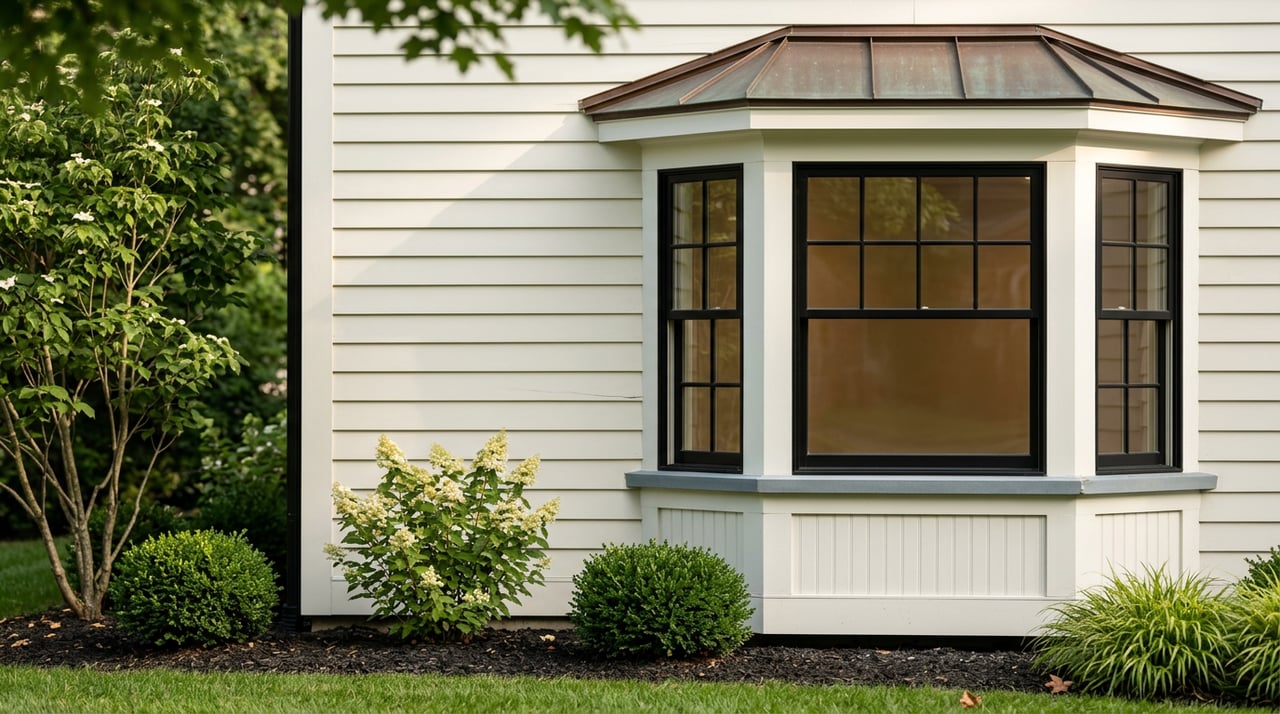
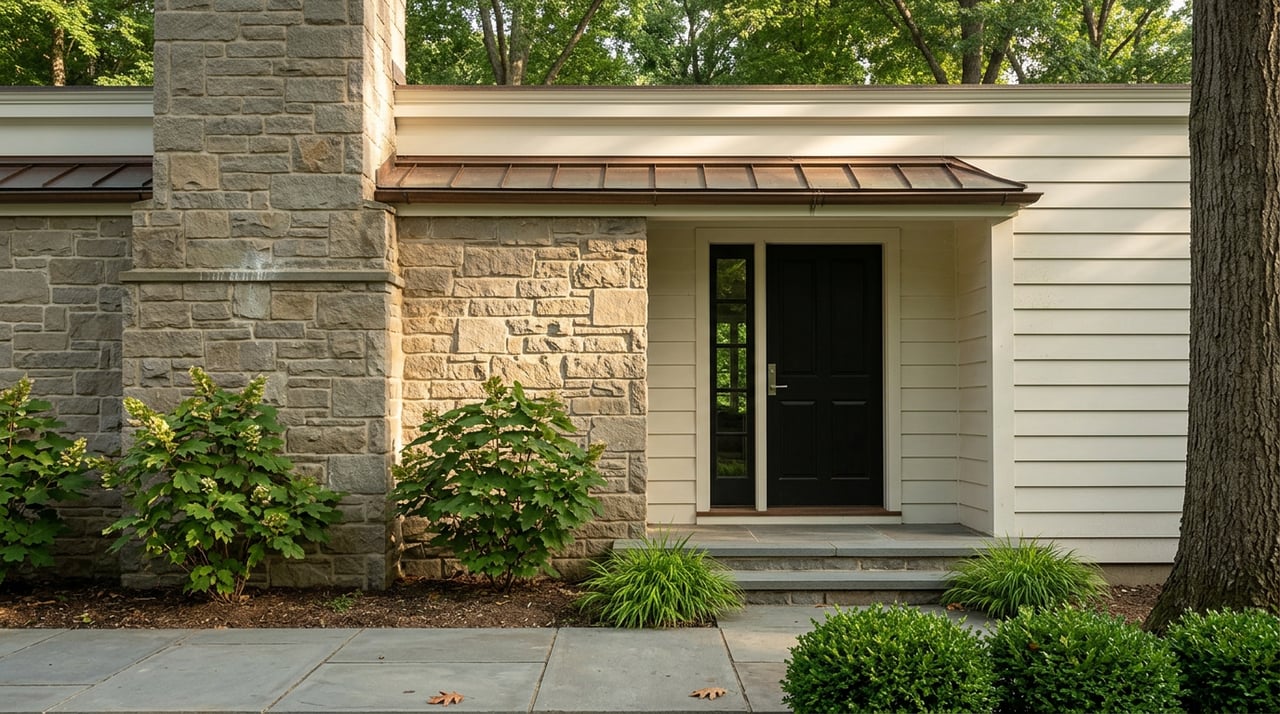
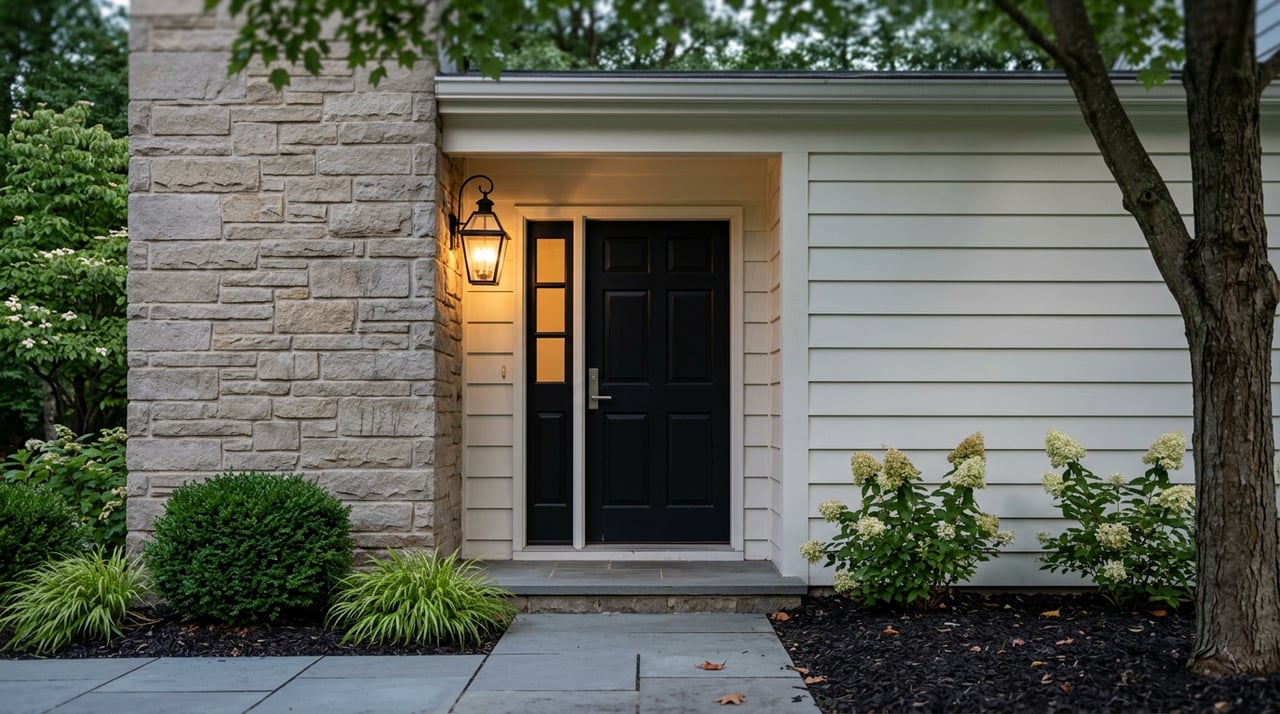
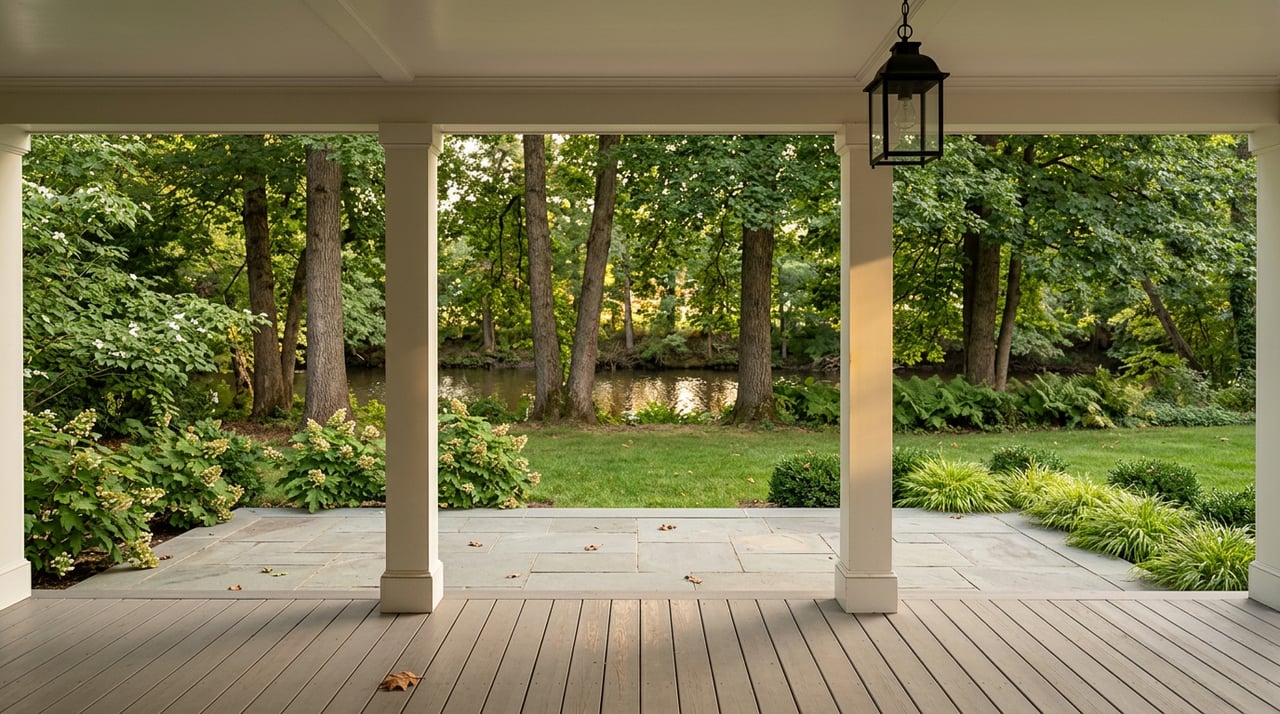
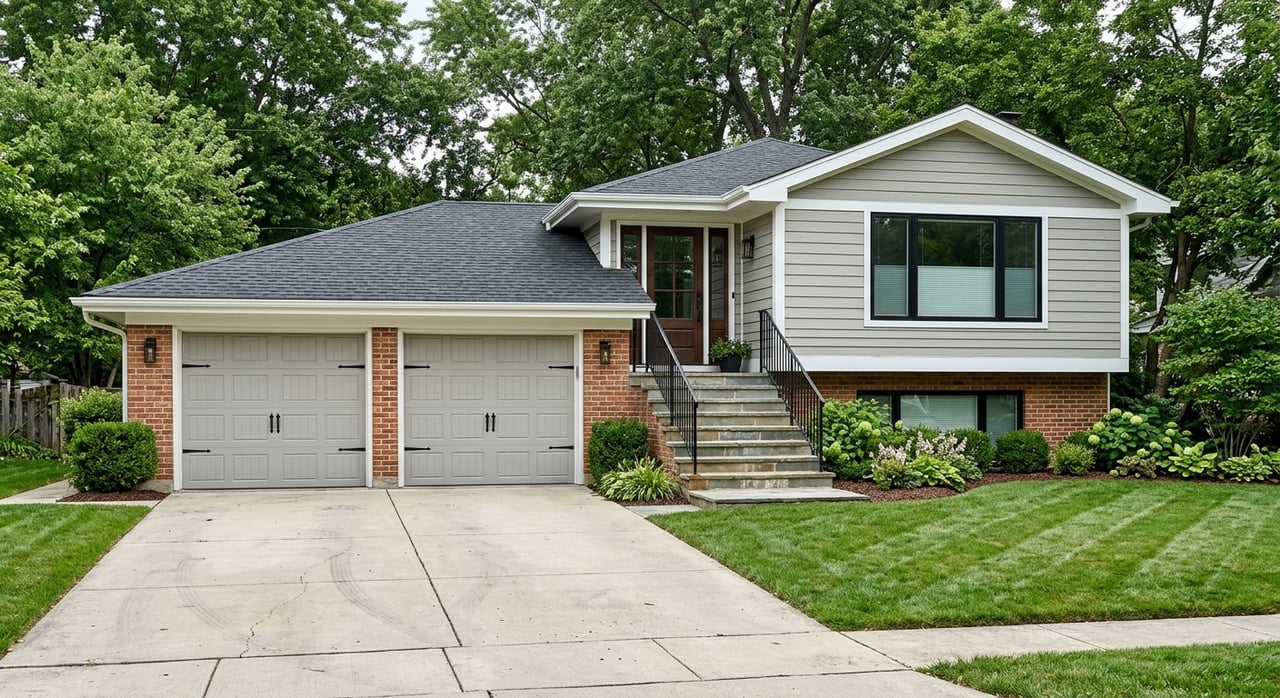
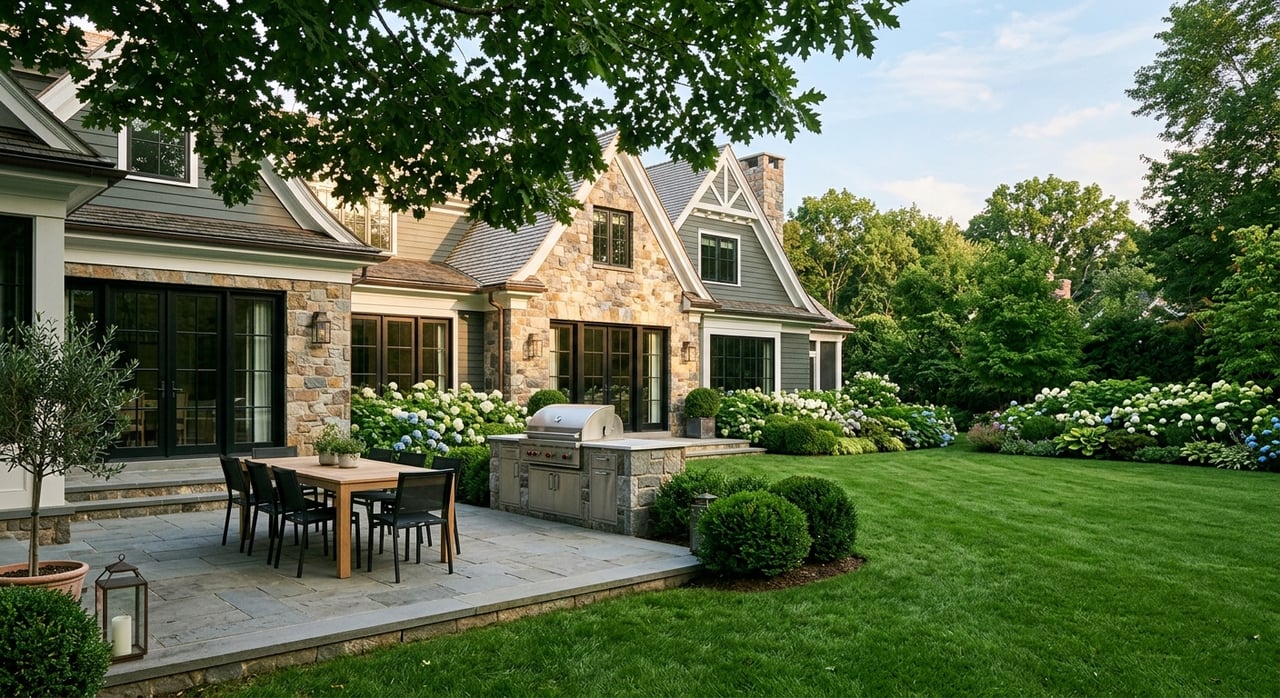
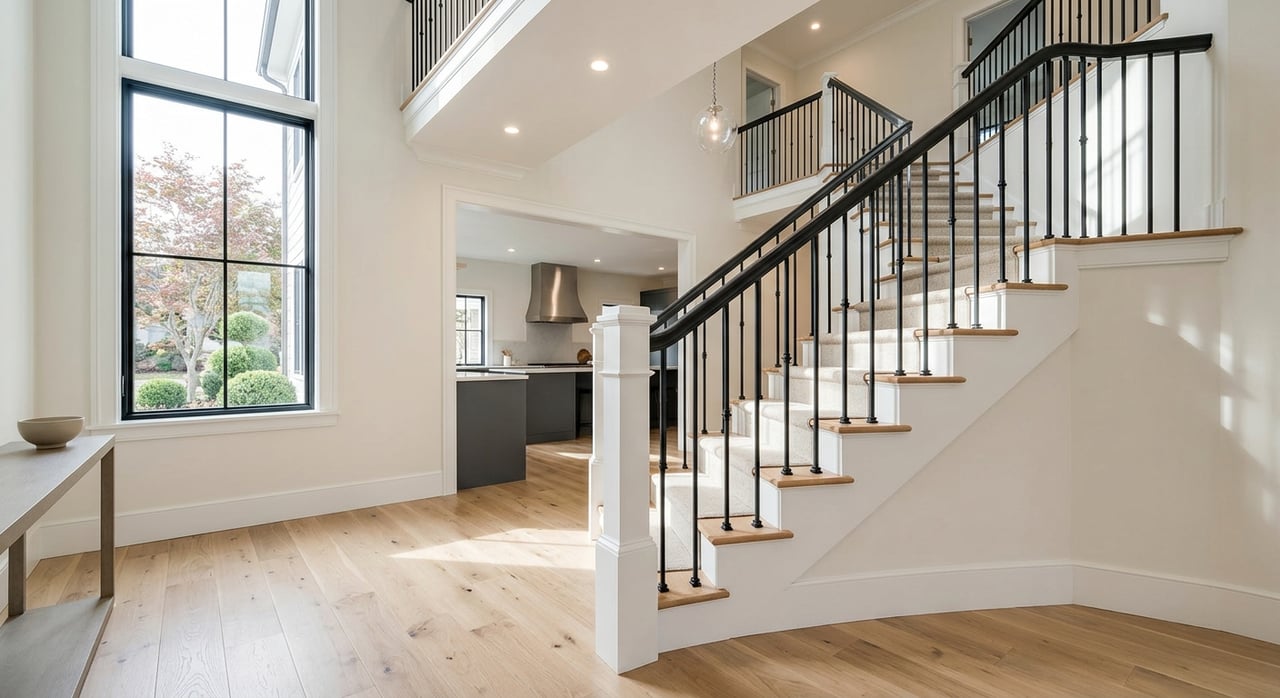
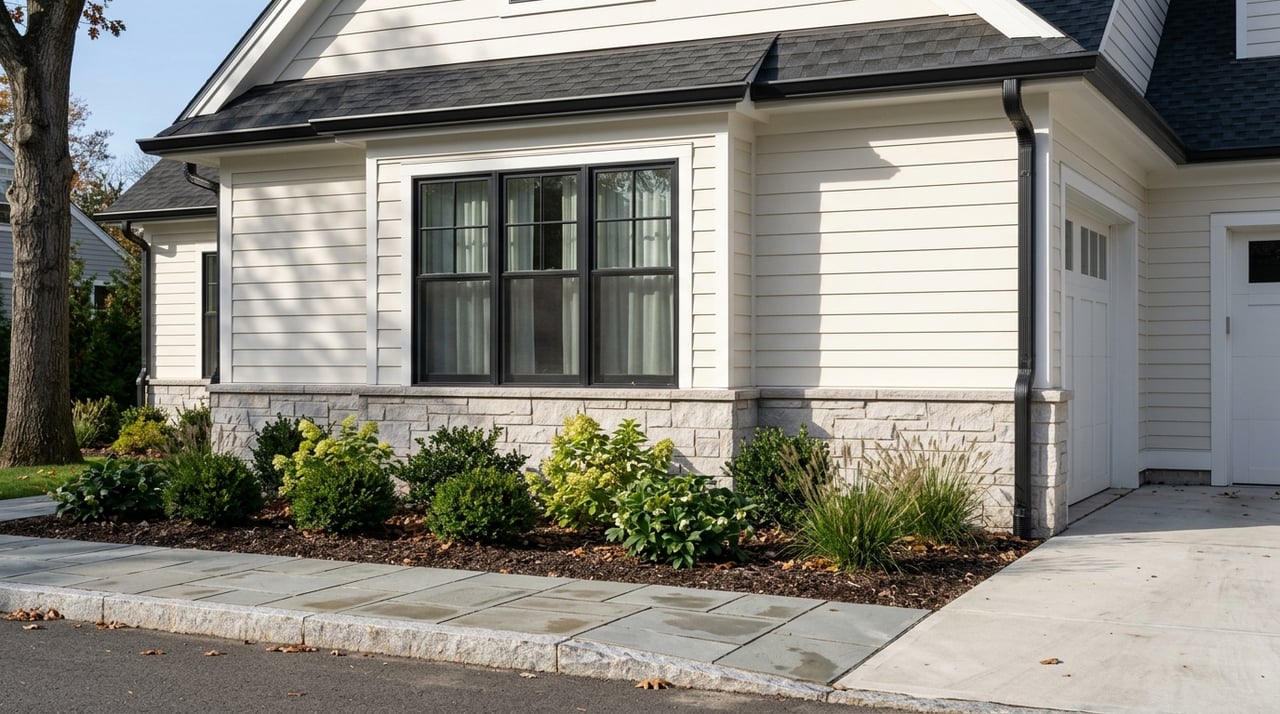
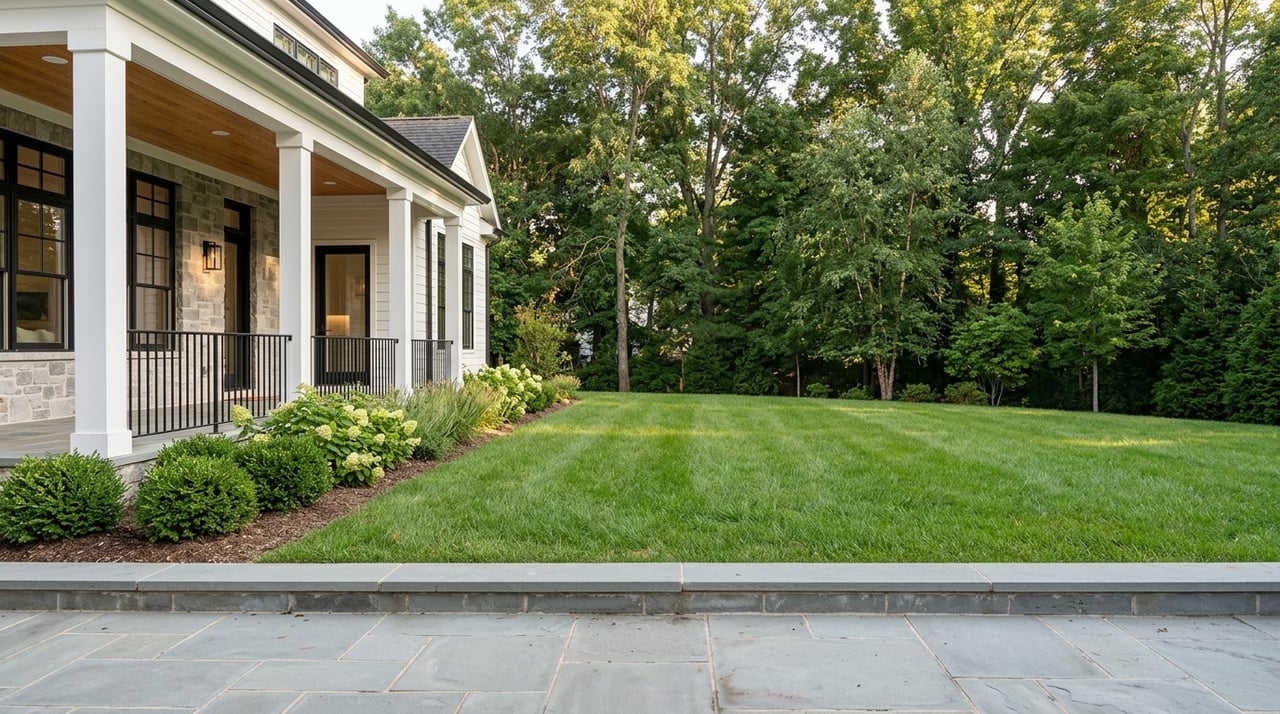
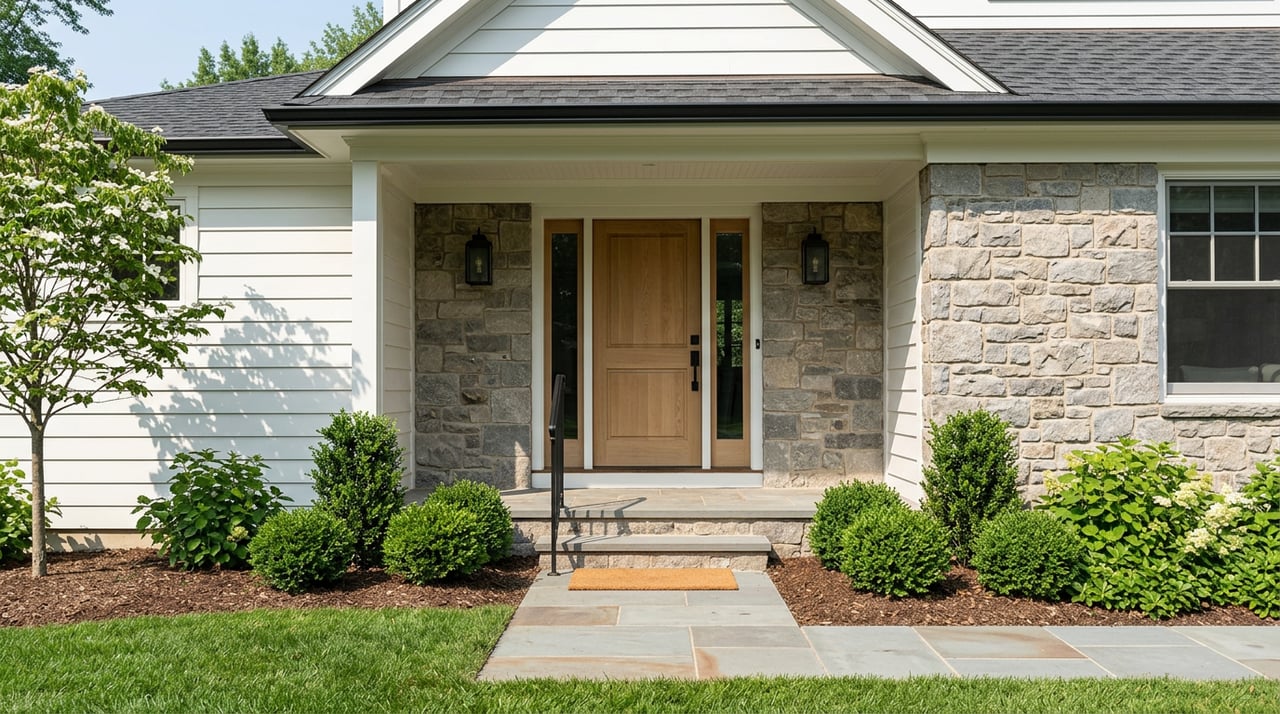
Housing stock in Mountainside skews to 1950s and 60s ranches and split-levels alongside newer contemporary colonials and custom rebuilds, most on half-acre lots along the borough's hilly, canopied streets. The most sought-after homes back onto the Reservation or catch a ridge glimpse of the Manhattan skyline.
That means a $1.1 million offer in Mountainside is often chasing land and lot geometry as much as finished interior square footage. In Westfield at the same price, the calculus flips toward downtown proximity and per-square-foot finish quality. Neither is better in the abstract. They are different products at the same price tag, and buyers who understand which product they are actually buying tend to write cleaner offers.
Two other pieces of context are worth keeping in view. Mountainside runs a low-inventory market by design of its size, so any given month may show a small handful of true competing listings. And the price band is unusually wide for a small borough, spanning roughly the mid-$600,000s to close to $3 million, which means the median tells you very little about the home in front of you. A comparable set built from four or five recent sales in the same pocket, ridge, or Reservation-adjacent street will outperform any borough-wide median for pricing purposes.
The comparison that matters at closing
Set the mortgage aside for a moment. On a five-year hold of a $1.1 million home, the effective-rate difference between Mountainside and Scotch Plains is roughly $31,000. The difference against Fanwood is closer to $37,000. That is real money, and it compounds in the direction of the buyer's balance sheet rather than the town's.
The offset is honest and worth naming. If you rely on a train for work, you will build in a five to ten minute drive to a station, or a bus ride to Port Authority, every workday. Whether the tax savings outrun the commute cost depends on how often you actually board a train, how you value the drive, and how much lot size and Reservation adjacency matter to your household. Those are personal calculations. The market gives you the raw numbers. The job is to run them honestly.
Questions buyers actually ask about Mountainside
Are Mountainside's taxes really lower than Westfield's? On an effective-rate basis, yes. The 2025 certified rates put Mountainside at 1.566 percent and Westfield at 1.810 percent. On identical $1.1 million homes, that is roughly a $2,700 annual difference in favor of Mountainside, before any assessment appeal or exemption. Confirm the specific property's bill before you write an offer.
Does the lack of a train station hurt resale? It filters the buyer pool rather than shrinking it. Homes here still moved at a 14-day median in the three months ending May 2026. What it does mean is that when you sell, the buyer walking through your door is likely to be someone who has already decided the car-first commute is acceptable. Marketing to that specific audience matters.
Is the Route 22 tax advantage durable? It has held for decades and rests on a stable commercial corridor. Nothing in county apportionment rules is changing that structurally. It is a fair assumption for a five to ten year hold, but any long-horizon buyer should watch corridor vacancy trends the same way they would watch school budgets.
What should I actually compare when I tour? Effective tax rate, lot size and topography, distance to your preferred train station, and a tight comp set from the same pocket of the borough. Median prices at the borough level will mislead you here more than in most towns.
If you are weighing Mountainside against Westfield, Cranford, Scotch Plains, or Fanwood and want the specific numbers run against the specific home you are considering, Jayne Bernstein can walk you through the effective-rate math, the pocket-level comps, and the commute calculus before you write. Request your home valuation to start the conversation.