Ask a Cranford homeowner what worries them most about selling and you'll often hear the same word: inspection. Not the buyer's home inspector, the municipal one. Somewhere along the way, a lot of sellers here picked up the idea that the town sends an official through the house before closing, checklist in hand, ready to flag anything from an old outlet to a cracked sidewalk.
Cranford doesn't require that. According to the township's own building department, the Township of Cranford does not require a Certificate of Occupancy for the resale of a property. What the town does ask for is smaller, faster, and handled by a different office entirely: a call to the Fire Prevention Bureau at (908) 709-7360 for a Continuing Certificate of Occupancy and Smoke Detector Certification.
That's the paperwork sellers should actually plan for. It is also not the thing most likely to derail a closing in this particular town. That distinction is worth sitting with, because the two risks sit at opposite ends of the difficulty scale, and Cranford sellers tend to worry about the easy one.
What you're picturing versus what's actually true
| What sellers assume | What's actually the case in Cranford |
|---|---|
| A full municipal Certificate of Occupancy inspection is required before closing | Cranford does not require a resale CO; the town instead requires a Continuing CO and Smoke Detector/CO Certification through the Fire Prevention Bureau |
| The smoke detector and CO certificate is a local formality that varies by negotiation | It's mandated statewide under the New Jersey Uniform Fire Code, and the fee in Cranford is set at $35, bundled into the continuing occupancy certificate fee, per Township ordinance |
| A clean environmental records search means there's no old oil tank on the property | According to Oil Tank Removal NJ, tanks under 2,000 gallons serving one or two family homes are generally exempt from state registration, so a clean search doesn't rule one out |
The first two rows are procedural and manageable with a phone call and a little lead time. The third row is where sellers in this particular town run into real cost and real delay, and it has nothing to do with any inspector showing up with a clipboard.
Why this town's housing stock changes the math
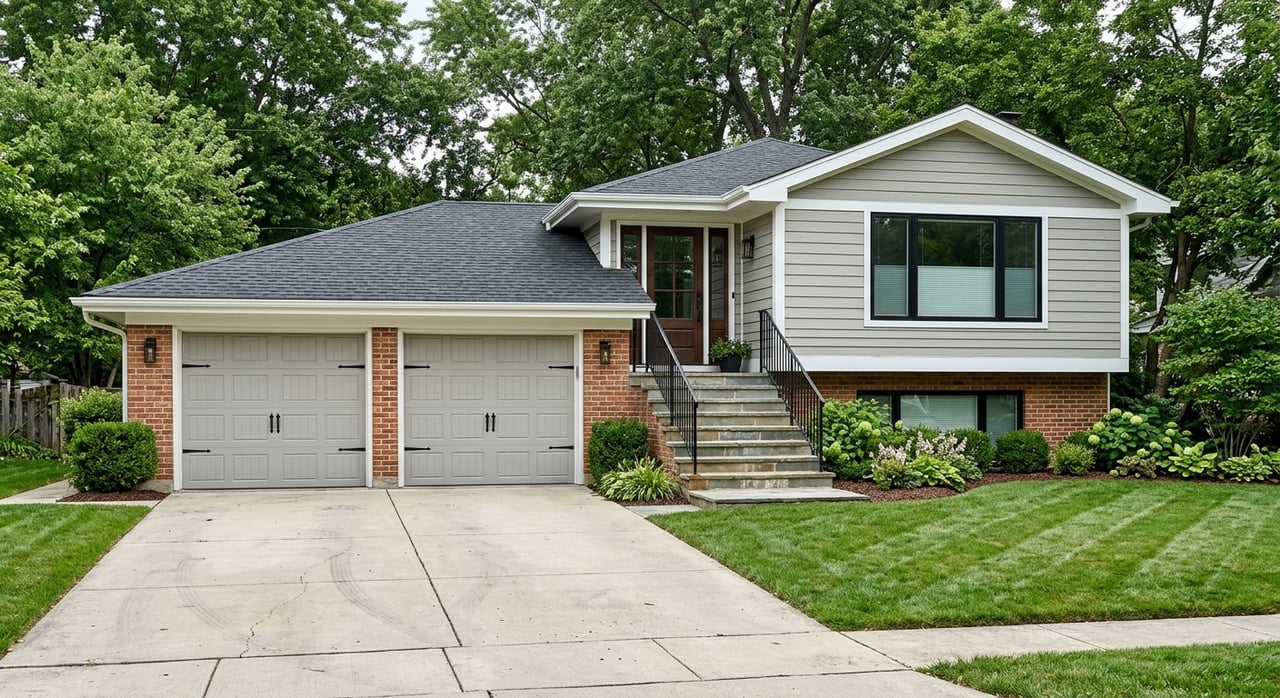
Cranford's age profile isn't average for the region. According to the township's 2025 Housing Element, 82% of Cranford's housing stock was built before 1970, with 30.8% dating to 1939 or earlier and another 23.9% built in the 1950s. That single number reframes almost everything about how a seller here should think about pre-listing prep.
Homes built in those decades were built when oil heat was the regional default, long before natural gas conversions became common. When a house switched fuel sources, the tank in the ground didn't always leave with it. Contractors who work this market describe the same pattern across Union County: the underground tank gets forgotten the moment the furnace changes, and it resurfaces decades later as someone else's problem.
None of this means every older Cranford home has a buried tank. It means the odds are structurally higher here than in a newer-built suburb, and the paperwork trail is thinner than most sellers expect.
The exemption that makes a clean search meaningless
Here's the part that catches people off guard. New Jersey's underground storage tank rules, at N.J.A.C. 7:14B, exempt heating oil tanks under 2,000 gallons serving one or two family homes from state registration. Practically, that means the New Jersey Department of Environmental Protection may have no record of a tank that's sitting under a Cranford backyard right now.
An existing tank may not appear in NJDEP records at all, which means a homeowner who pulls a clean environmental search hasn't actually confirmed anything. The state's own system was never designed to track tanks like this in the first place.
This is why a physical sweep, using metal detection and sometimes ground penetrating radar, has become standard due diligence in New Jersey real estate rather than an optional extra. It's the only way to actually confirm what a records search can't.
What happens once a tank turns up
If a sweep or a buyer's inspector finds a tank during a transaction, the mechanics are fairly consistent across New Jersey deals. The seller almost always agrees to remove it, because once its existence is known, the home effectively becomes unsellable until it's addressed.
The removal itself requires a permit through the local building department. If the tank comes out clean, meaning no cracks, no holes, no odor at removal, the process ends there. If there's evidence of a discharge, New Jersey's Spill Compensation and Control Act places responsibility for that discharge on the current property owner, and the case gets a number with the NJDEP. Soil samples run around $500 to determine contamination levels, and if remediation is needed, contaminated soil gets excavated and replaced with clean fill, followed by confirmation testing.
Cost ranges reported across New Jersey environmental contractors commonly run from $8,000 to well over $100,000 depending on the extent of contamination, and this is typically not covered under a standard homeowners policy. According to Brinks Tank Services, once remediation is complete, an NFA letter, meaning No Further Action, is what actually clears the way to close.
Timing this before the buyer's clock starts
The real cost of a buried tank often isn't the removal itself. It's when the discovery happens. Finding a tank during your own pre-listing prep gives you time to get quotes, schedule removal, and handle any soil testing on your own timeline. Finding it during a buyer's inspection period means doing all of that under contract, with a closing date already on the calendar and a buyer watching the clock.
Most residential sweeps take about an hour on site, and written reports often come back the same day. That's a small amount of time relative to what it buys: the option to handle a real issue on your own schedule instead of a buyer's.
For a Cranford seller, the practical order of operations is straightforward. Call the Fire Prevention Bureau early for the smoke detector certificate, since scheduling and fees are simple to manage with a little lead time. Then treat a tank sweep as part of getting the house ready to list, not something to react to after an offer is already in hand.
Frequently asked questions
Does Cranford require a Certificate of Occupancy to sell a home? No. The township does not require a resale CO. It does require contacting the Fire Prevention Bureau for a Continuing Certificate of Occupancy and Smoke Detector Certification before closing.
If my NJDEP search comes back clean, does that mean there's no oil tank on my property? Not necessarily. Tanks under 2,000 gallons serving one or two family homes are generally exempt from state registration, so an existing tank may never appear in NJDEP records.
How much does oil tank remediation actually cost? Figures reported across New Jersey environmental contractors commonly range from $8,000 to over $100,000, depending on whether contamination is found and how extensive it is. This is generally not covered by standard homeowners insurance.
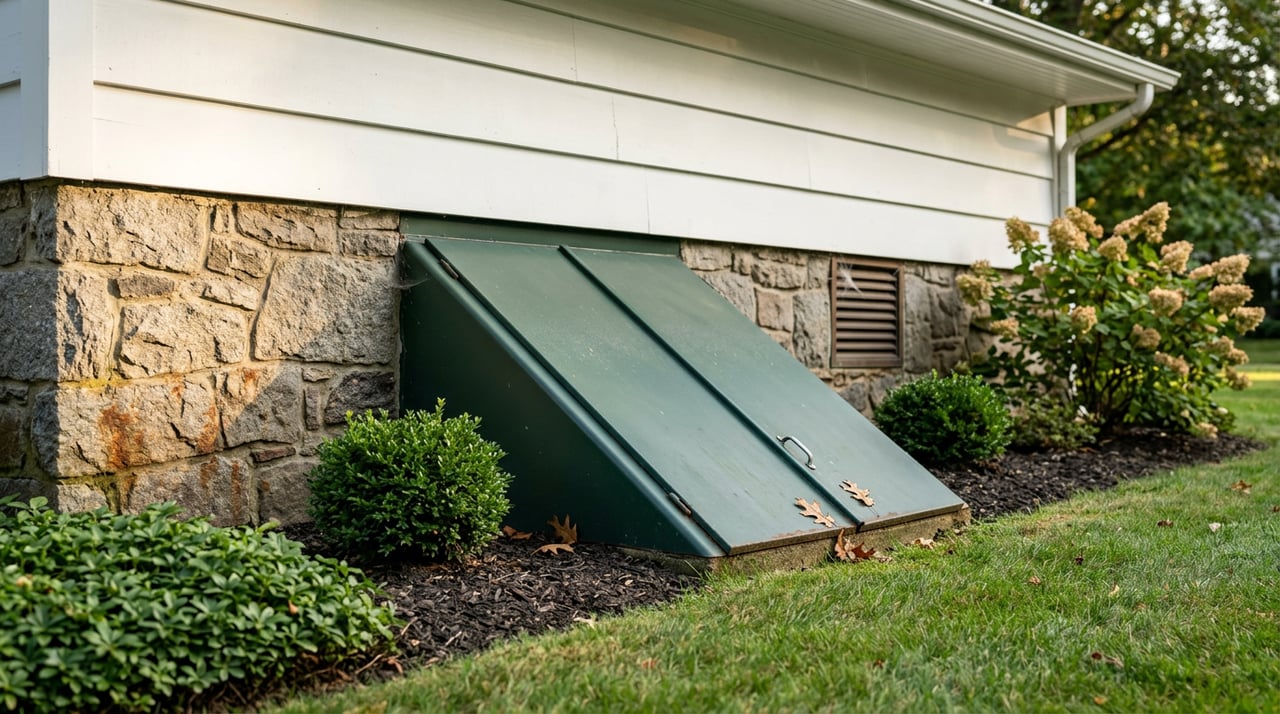
What if my home never had oil heat? Homes without a history of oil heat are much less likely to have a tank, though visual signs like an old fill pipe, a vent pipe near the foundation, or a patch of dead grass in an otherwise healthy lawn are worth a second look regardless of what's on record.
How far in advance should I schedule the smoke detector certificate? Contact the Fire Prevention Bureau as soon as you're planning to list. It's appointment-based, and giving yourself lead time avoids scheduling it against a tight closing date.
Selling an older home in Cranford means managing two very different kinds of readiness: a straightforward municipal process and a less visible one that rewards getting ahead of it. If you're weighing a sale and want a clear read on what your specific property might face before it goes on the market, Jayne Bernstein can walk through it with you. Request your home valuation to start that conversation.
This article is general information, not legal, tax or financial advice. Consult a qualified professional about your situation.